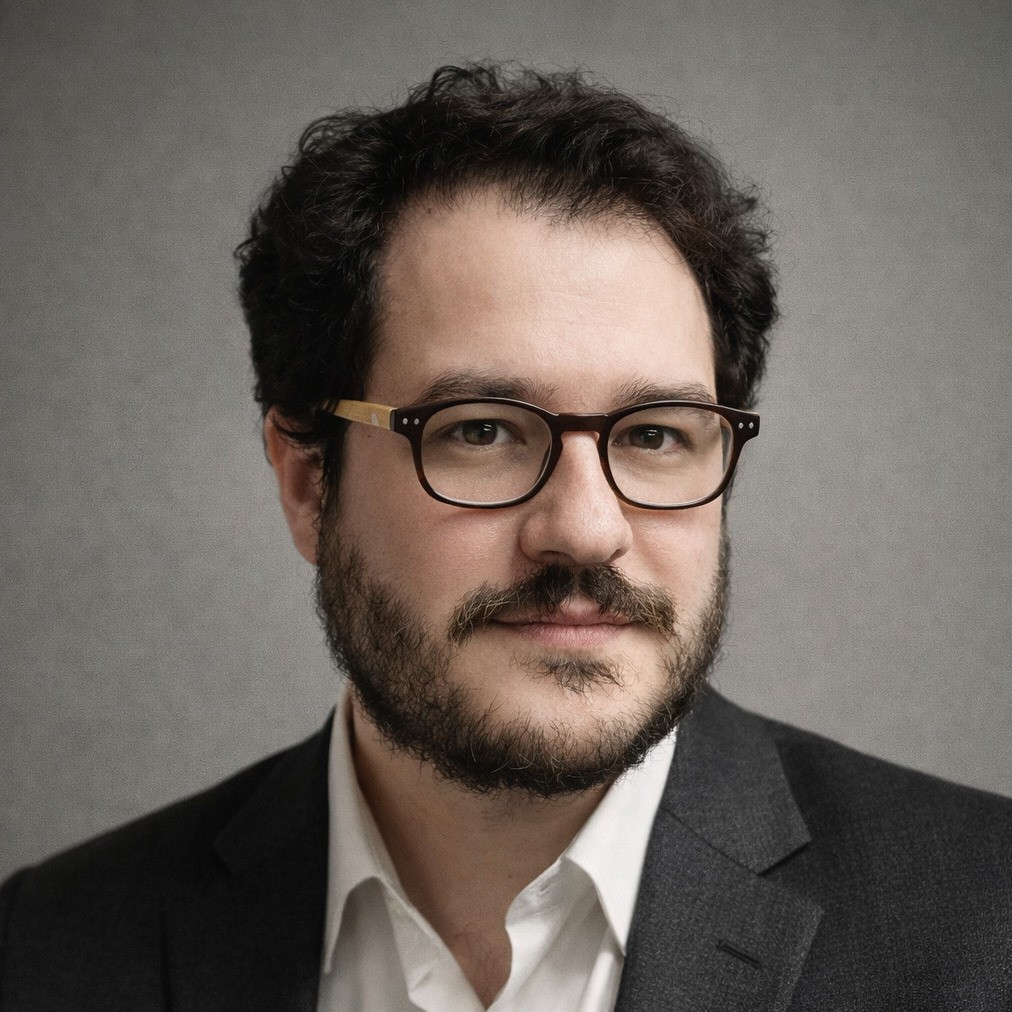
Received Sylff fellowship in 2021
Academic supervisor: Prof. Dr. Bernardo Fazendeiro
Current affiliation: Center for Social Sciences (CES)
Rui Samarcos Lora holds a PhD in Political Science (Democracy in the 21st Century) from the University of Coimbra, awarded Summa cum laude by unanimous decision. His doctoral thesis, “Cooperativeist Peace: Responsive Communitarianism in Peacebuilding Initiatives in Bosnia-Herzegovina,” examines cooperatives and community-based approaches to peacebuilding. He also holds a Master’s in International Relations and European Studies from the University of Évora and a postgraduate specialization in Political Science from the University of Brasília. His research interests include cooperativism, peacebuilding, regional integration, interethnic dialogue, and religious coexistence, with field research in the Western Balkans and Central Asia. He has been awarded fellowships from the Fundação para a Ciência e a Tecnologia (FCT) and The Nippon Foundation (SYLFF), and has published peer-reviewed articles, book chapters, and policy briefs with institutions such as the OSCE Academy and the Tokyo Foundation for Policy Research. He is a member of ESSWE and TNFSA and an associate member of the Hannah Arendt Center at Bard College.
Academic Achievements,Social Engagement Initiative
Rui Samarcos Lora is a political scientist whose academic journey is marked by a commitment to understanding and fostering peaceful coexistence. His doctoral research, awarded Summa cum laude from the University of Coimbra, developed the concept of "Cooperativeist Peace," exploring how responsive communitarianism can bolster peacebuilding efforts, with a specific focus on Bosnia-Herzegovina. This work is complemented by a Master's in International Relations and a Postgraduate Certificate in Political Science, demonstrating a deep and sustained inquiry into democracy, regionalism, and conflict resolution.
His academic excellence is recognized through numerous prestigious fellowships, including a competitive research grant from the Fundação para a Ciência e a Tecnologia (FCT) for his doctoral studies and the SYLFF Research Abroad Grant from The Nippon Foundation, which supported his fieldwork in Central Asia. As an author of peer-reviewed articles and policy briefs for organizations like the OSCE Academy, he actively translates his research into actionable policy recommendations, particularly on the role of cooperatives in conflict prevention and regional integration.
Dr. Lora’s social engagement is intrinsically linked to his scholarship. His work consistently bridges theory and practice, focusing on empowering communities through cooperative models and interethnic dialogue. This is evident in his hands-on field research on agrarian conflicts and community-based economic solutions in the Fergana Valley and his collaboration with local NGOs to assess cooperative models for social cohesion in the Balkans. His professional experience as a diplomat for Brazil further underscores his dedication to public service, where he represented his country in high-stakes international negotiations on agriculture, food security, and sustainable development. Through his research, policy work, and diplomatic service, Rui Samarcos Lora demonstrates a profound commitment to using academic insight to address pressing social and political challenges on a global scale.
Brief Summary of Support Program Activities
The SRG supported field research in Bosnia and Herzegovina on cooperatives and peacebuilding; the article notes that the author is shown speaking with members of a multiethnic cooperative “as part of his SRG project.” The SRG-related research examined cases such as the “Fruits of Peace” project of the Insieme Cooperative in the Bratunac region and the creation in Doboj of multiethnic cooperatives as a consortium of rural producers, arguing that cooperatives can promote interethnic dialogue, overcome discrimination, and support peaceful coexistence.
www.linkedin.com/in/rui-samarcos-lora-08361399