Voices from the Sylff Community
Jan 26, 2026
Harmony across Cultures: A Music and Arts Festival in the Suburbs of Paris
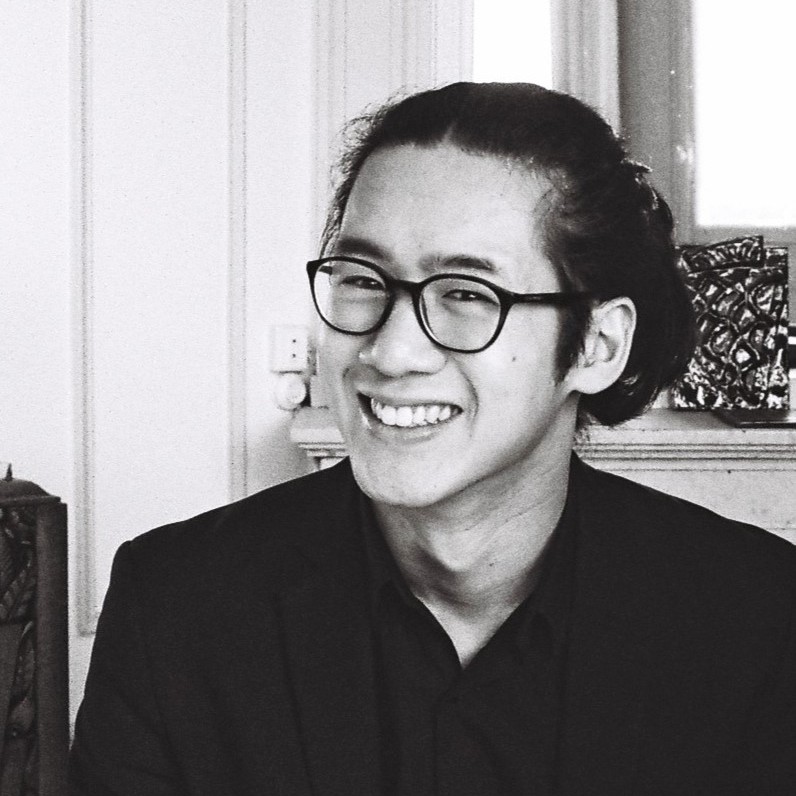
Pianist Florent Ling (Conservatoire national supérieur de musique et de danse de Paris, 2024–26) co-organized a festival of classical music and the arts, bringing free concerts, workshops, and community programs to a culturally diverse district of suburban Paris—proving that cultural inclusion can inspire lasting engagement and creativity.
* * *
I am Florent Ling, a classical pianist raised in the suburbs of Paris and trained at some of the world’s leading music universities. As a French citizen of Asian descent, born in a neighborhood where access to classical music and other art forms often considered elitist was limited, I decided early on to make their democratization and transmission a major focus of my work. My upbringing instilled in me the conviction that access to culture can profoundly shape a young person’s sense of belonging, aspiration, and self-expression.
While the neighborhoods where I grew up are known for their cultural diversity, classical music continues to be perceived as elitist, distant, or irrelevant to daily life. This perception perpetuates a cycle of exclusion in which children and families from underrepresented or working-class backgrounds have limited opportunities to encounter the arts in empowering and inclusive ways. These are the reasons why I felt a personal responsibility to address this gap by creating a festival that would bring classical and multidisciplinary artistic experiences directly to the communities that shaped me.
With this vision, the project Sido & Co: Harmonies Croisées was conceived as a multicultural, interdisciplinary festival combining high-quality performances, educational workshops, and community-rooted initiatives. The name “Sido” was inspired by the two music notes si and do, while “& Co” reflects the project’s ambition to open music to other art forms and broader audiences.
Supported by Sylff Leadership Initiatives, the project evolved over several months of preparation into a four-day festival held from November 6 to 9, connecting the 10th district of Paris with its surrounding suburban areas for this inaugural edition. In co-direction with Camille Théveneau—whose experience in local cultural policy enriched the project’s reach—we were able to bridge institutional, geographical, and symbolic distances between Paris and its suburbs, which was an essential aspect of the festival’s mission.
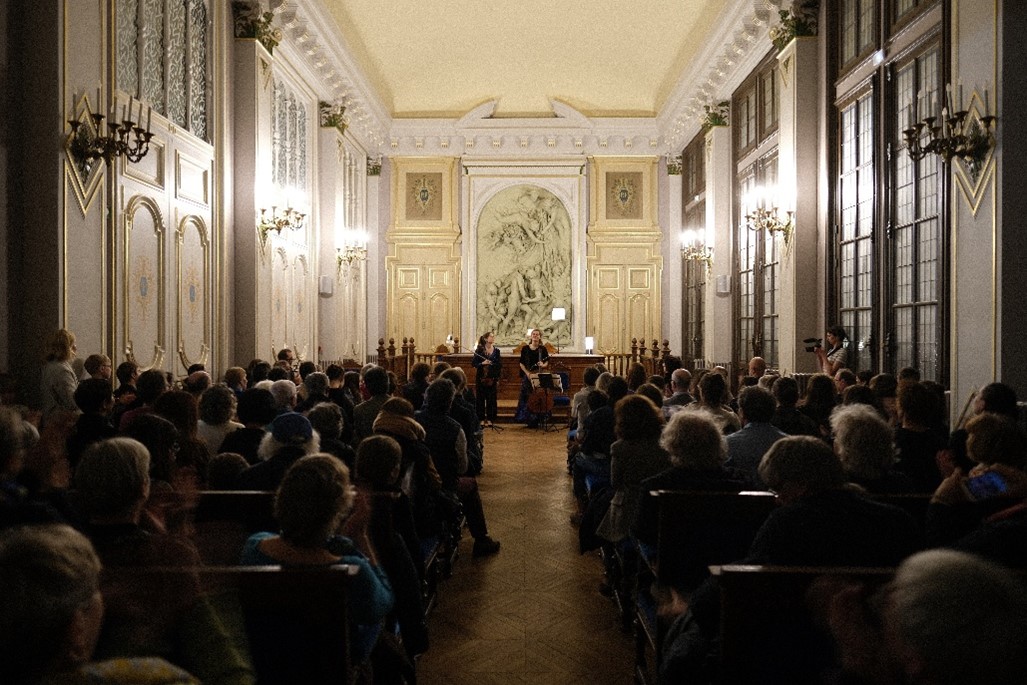
An evening of “Cordes en Cœur” at the 10th district city hall, November 7, 2025.
The opening event marked an important milestone in this effort. Thanks to strong support from the municipality of the 10th district, we were able to host our main concert in the prestigious city hall, offering completely free admission. The program featured six classical musicians, all from suburban and culturally diverse areas. The event was an overwhelming success, drawing over 200 attendees, including families and children from the suburbs who were personally invited through schools and community partners, such as the Conservatoire de Malakoff, where I currently teach. The atmosphere was both celebratory and intimate, demonstrating that when artistic excellence is made accessible, new audiences respond with great enthusiasm and curiosity.
Around this central event, we developed a series of socially engaged activities that embodied the festival’s multidisciplinary and inclusive philosophy. Perhaps the most meaningful was Prolégomènes Dumky, a music-theater show for children built around Dvořák’s “Dumky” Trio. Featuring three professional musicians who themselves grew up in suburban environments, the show humorously and tenderly portrayed the behind-the-scenes process of chamber music rehearsals, from negotiations and challenges to the moments of inspiration that shape artistic collaboration. Because the piece demystifies classical music while honoring the lived experiences of the performers, it resonated powerfully with schoolchildren.
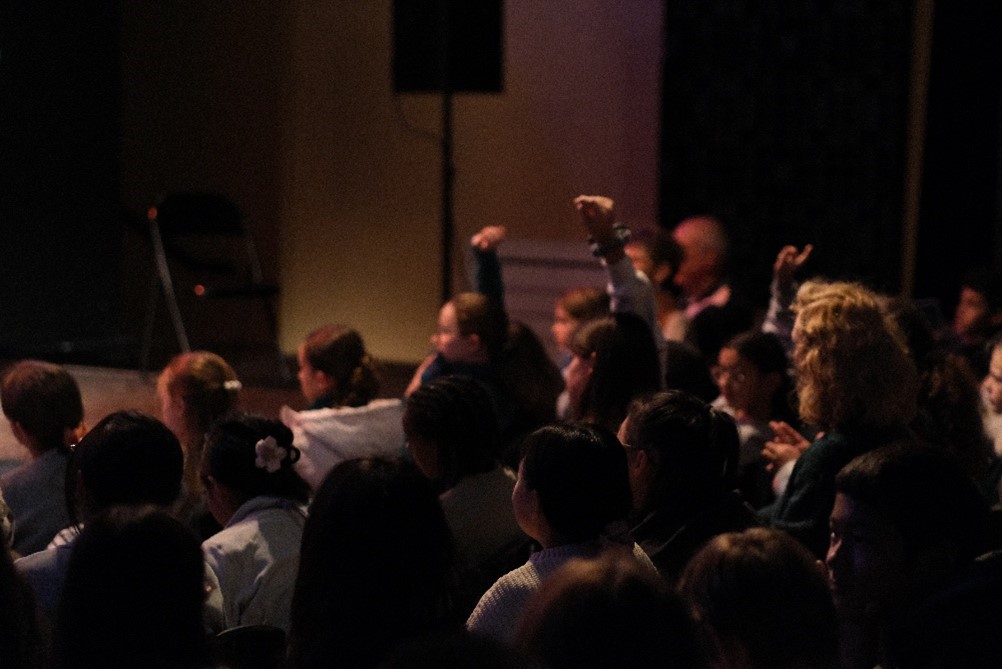
A packed house of enthusiastic young listeners attended the music-theater performance of Prolégomènes Dumky.
Thanks to our close collaboration with local elementary schools, we were able to welcome four different classes to this event, totaling over 100 children across the two performances. One of the highlights of these sessions was the post-show interaction between the young audience and the musicians. Children asked perceptive, often surprising questions—not only about the instruments or the music but also about perseverance, teamwork, and what it means to be an artist. These simple exchanges created a sense of proximity that is rarely offered in traditional concert formats.
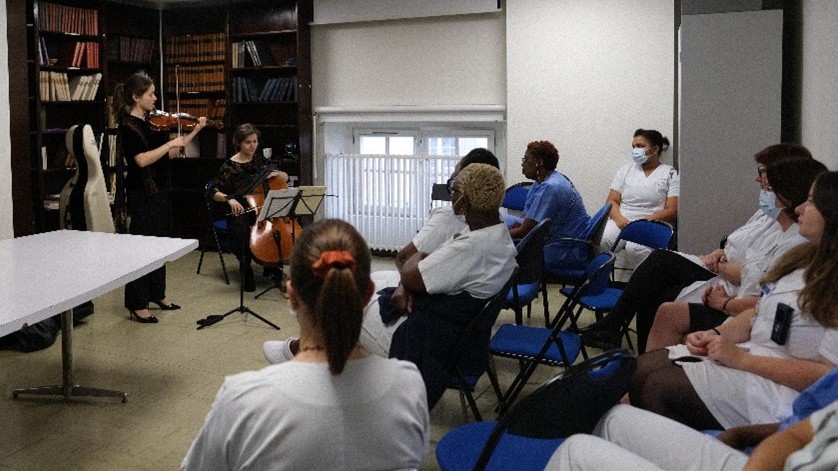
Miniconcerts featuring Duo Théveneau were presented during the festival for healthcare workers at Lariboisière and Saint-Louis Hospitals.
Another key component of the Sido & Co Festival was the project’s engagement with local hospitals, further advancing our commitment to accessibility. Inspired by the belief that artistic experiences can offer comfort and human connection in challenging environments, we organized performances in two hospitals. A pair of musicians visited Hôpital Saint-Louis and Hôpital Lariboisière to present short musical programs for patients, families, and medical staff. These moments of pause, beauty, and shared presence were warmly received by both institutions, which quickly expressed a desire to renew the collaboration in the future. Bringing music into healthcare settings reaffirmed our conviction that the arts can serve as a vital form of social care, especially for individuals who cannot easily access cultural events.
The festival also featured two multidisciplinary evening events in a contemporary art gallery: “Raices,” a concert blending folk and classical music performed by two musicians of Hispanic descent, and L’Histoire du Soldat, an epic tale combining music and theater. These events attracted a remarkably diverse audience: regular gallery visitors, artists, long-time residents from nearby neighborhoods, and new suburban participants who had learned about the festival through earlier events. These enriching encounters illustrated one of our festival’s core intentions: to create shared spaces where people from different backgrounds feel equally invited and represented.
Behind the scenes, the festival was also shaped by the long-term “Résonances Personnelles” workshop, which took place over the preceding months at the suburban Conservatoire de Malakoff. Working with local teenagers, we explored how personal histories, musical influences, and spoken narratives can intersect to create new forms of artistic expression. This workshop was essential not only for artistic reasons but also because it offered young people an opportunity to take ownership of the project and see their creativity valued. By inviting them to all festival events as part of the workshop and enabling exchange with different artists, we were able to broaden their artistic perspectives.
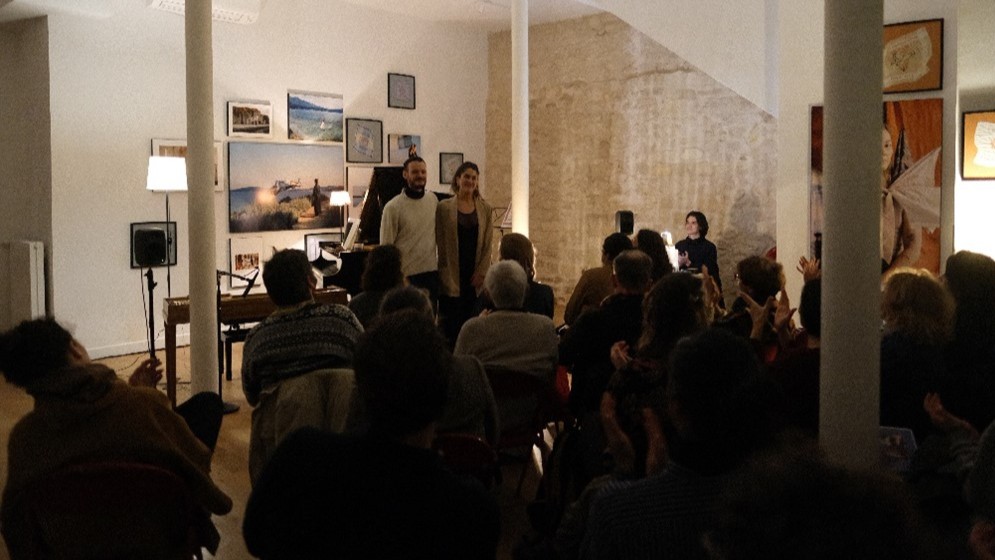
The “Raíces” concert for voice and clavichord.
By the end of the four days, the festival had welcomed nearly 400 participants across all events, including more than 100 children. Beyond the numbers, the most meaningful outcomes lay in the strengthened relationships among artists, cultural institutions, municipal partners, and schools that collaborated in this first edition. Teachers reported that their students continued discussing the performances days after attending; hospital staff shared that the musical sessions had lifted the spirits of patients and medical staff alike; and many first-time audience members expressed their desire to return for future programs.
Perhaps the most encouraging sign of the project’s long-term impact is this clear demand we received for continuity. Multiple partners, including schools, hospitals, gallery spaces, and municipalities, have already requested opportunities to collaborate again. The festival demonstrated that when artistic experiences are brought directly to communities and shaped with their realities in mind, they generate lasting enthusiasm and engagement.
Ultimately, Sido & Co: Harmonies Croisées has established a replicable model for community-based artistic events that can be strengthened and expanded in future editions across both urban and suburban contexts. The project reaffirmed the transformative potential of culturally inclusive artistic practices and reminded us of our responsibility as artists and educators to make the arts accessible, empowering, and reflective of the diversity of the communities we serve.