Voices from the Sylff Community
Apr 15, 2026
Strengthening Inclusive Pathways into Economic Research in Latin America
Using SLI funding, Gabriela Sofia Lecaro Calle (University of Michigan, 2023) coordinated a project designed to help Latin American students from diverse backgrounds gain access to high‑quality economic research, offering mentorship and targeted training in preparation for graduate study and academic careers.
* * *
Access to high-quality training in economics and to information about academic and research careers remains highly unequal across Latin America. Many talented undergraduate students—particularly those at public universities and from low-income or first-generation backgrounds—have limited exposure to research, few opportunities to develop technical skills beyond the classroom, and little guidance on how to pursue graduate study.
In response to these gaps, EconThaki was created with the goal of building an inclusive pipeline into academic and applied economic research, not only as a matter of equity but also to increase the quality and scope of the discipline. I am a cofounder of this community-led initiative and have served as a mentor and instructor for previous program editions.
With support from a Sylff Leadership Initiatives grant, EconThaki implemented a set of complementary activities during 2024–25 structured around three pillars: (1) hands-on research apprenticeships, (2) structured mentorship, and (3) targeted skill-building and exposure opportunities.
Together, these components aimed to strengthen students’ technical capacity, professional networks, and understanding of academic career pathways, while ensuring that financial constraints did not prevent participation.
At the center of the project was the EconThaki Fellowship and Research Apprenticeship Program, which matched selected fellows with active researchers working on ongoing projects and integrated them into real research teams. Fellows contributed to a wide range of studies, including randomized controlled trials with small retail stores in Lima, research on financial inclusion in Ecuador, and applied policy evaluations.
Rather than serving only as assistants on narrowly defined tasks, fellows engaged in multiple stages of the research process. Their responsibilities included cleaning and consolidating large datasets, programming in Stata and other statistical software, constructing survey instruments, preparing reproducible workflows, conducting exploratory analysis, and participating in research meetings.
This immersion into research practice allowed fellows to see how abstract methods learned in coursework translate into empirical evidence. Many reported substantial growth in their ability to manage data, write organized and replicable code, and interpret results. Equally important, fellows gained a clearer sense of how academic research is iterative, collaborative, and shaped by practical constraints such as data availability and fieldwork conditions.
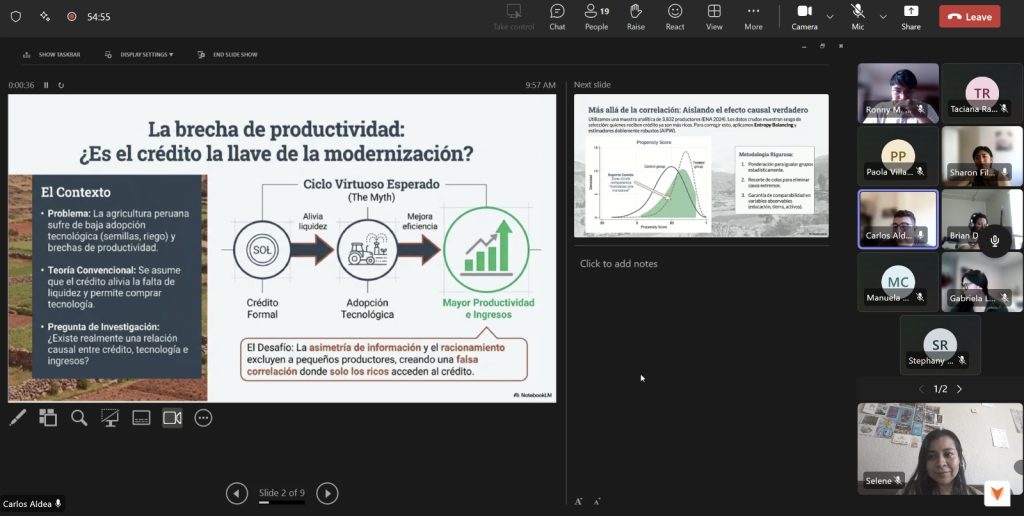
An online session of the mentoring program.
Alongside apprenticeships, EconThaki emphasized structured mentorship as a core element of the program. Fellows met regularly with mentors and program staff to discuss research progress, career goals, and next steps. These conversations often extended beyond technical issues to include topics such as preparing for master’s or PhD programs, identifying predoctoral opportunities, and building a competitive academic profile. For many participants, this was their first sustained interaction with researchers who could demystify the academic path.
A recurring theme in students’ reflections was a shift in expectations: what once felt distant or unrealistic now appeared attainable with appropriate preparation. This change in mindset was a critical outcome of the program. By providing both role models and concrete guidance, EconThaki helped students envision themselves as future researchers and graduate students.
The project also invested in complementary training to benefit a broader set of students beyond the fellowship cohort. SLI-supported English classes were offered across multiple EconThaki programs, strengthening academic reading, writing, and speaking skills. These skills are essential for engaging with the international research community, reading frontier literature, communicating with mentors, and preparing graduate applications.
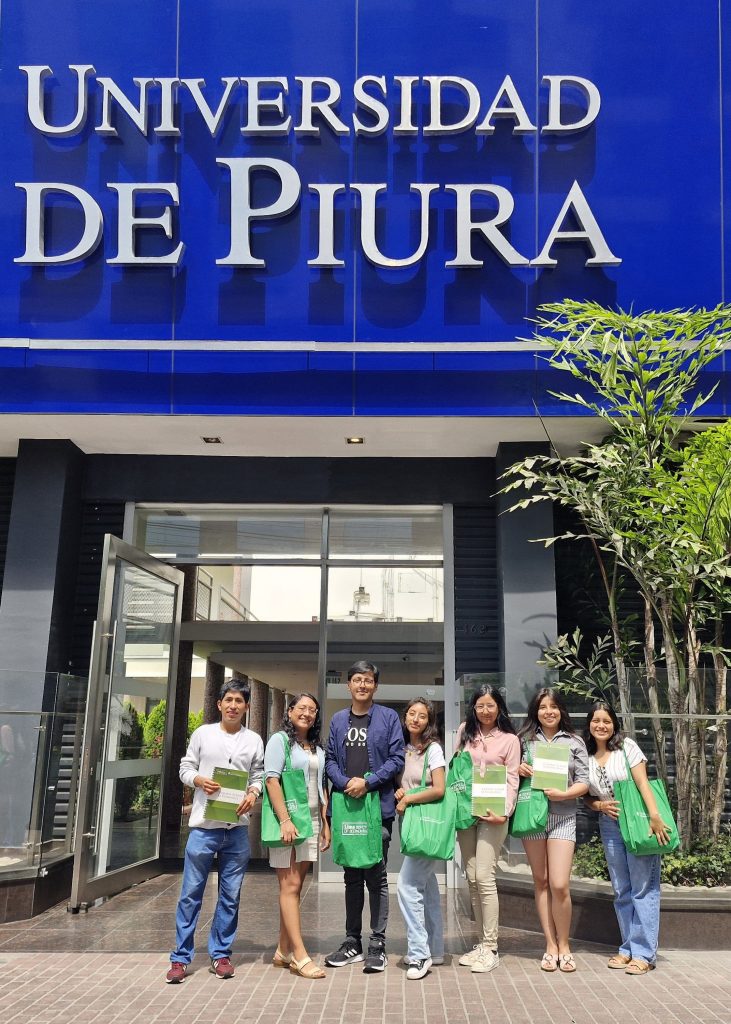
Lima Summer School of Economics, 2025.
In addition, selected students participated in the Lima Summer School of Economics, a selective program jointly organized by the University of British Columbia and the University of Piura that offers intensive short courses in modern economic theory, econometrics, and applied methods taught by international and regional faculty. Full-tuition scholarships were provided by the two universities, while Sylff funding played a crucial role in covering travel expenses. This support ensured that students from outside Lima and from low-income backgrounds could take advantage of this opportunity. Exposure to a demanding academic environment and to instructors from leading institutions further reinforced students’ preparation for graduate-level work.
The project’s activities have generated many tangible and intangible outcomes. Tangibly, students have strengthened technical skills in statistical programming, data management, and research organization. Intangibly, they have gained confidence, professional aspirations, and a sense of belonging in academic spaces. Several participants are now preparing applications to master’s programs, predoctoral positions, or research assistant roles, and many continue to collaborate with mentors after the end of the fellowship period.
Beyond individual trajectories, this project contributes to a broader objective: building a more diverse and locally grounded community of economists who can produce high-quality research on the region’s most pressing challenges. Latin America faces persistent issues related to poverty, inequality, informality, and limited state capacity. Expanding the pool of researchers who have the tools to study these problems rigorously is essential for improving the evidence base that informs policy.
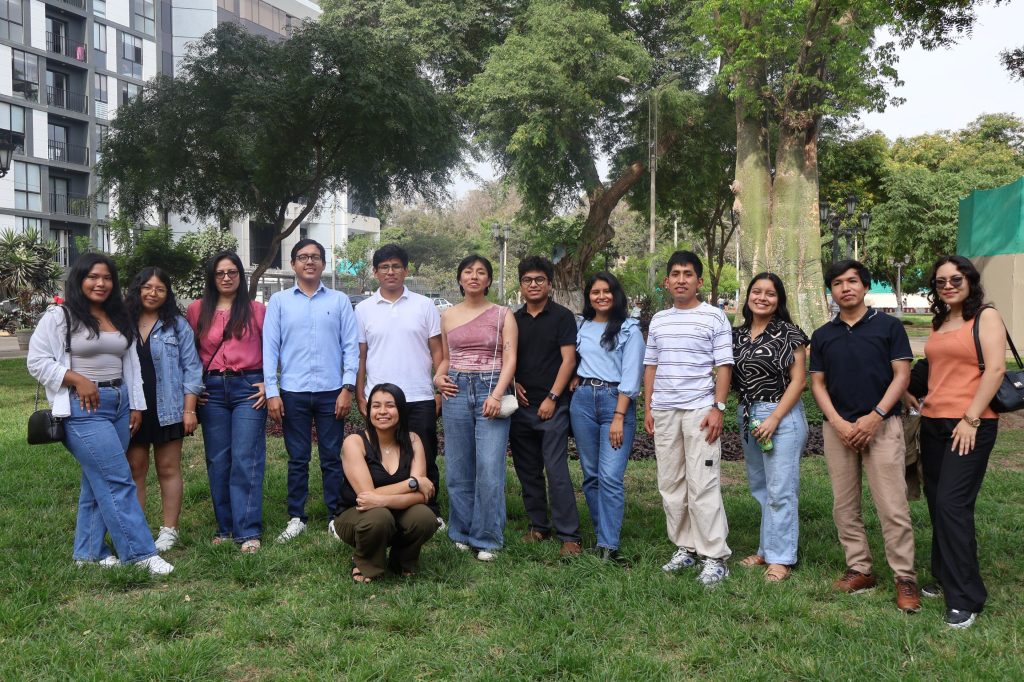
An alumni gathering.
Looking forward, EconThaki aims to scale and refine this model by increasing the number of fellows, strengthening partnerships with researchers and institutions, and deepening complementary training offerings. The SLI grant has shown that targeted funding can generate meaningful changes in students’ skills, expectations, and opportunities. By supporting this project, Sylff has helped transform potential into preparation and aspiration into concrete pathways. EconThaki is grateful for this award and remains committed to building an inclusive pipeline into economic research that reflects the talent and diversity of the region.