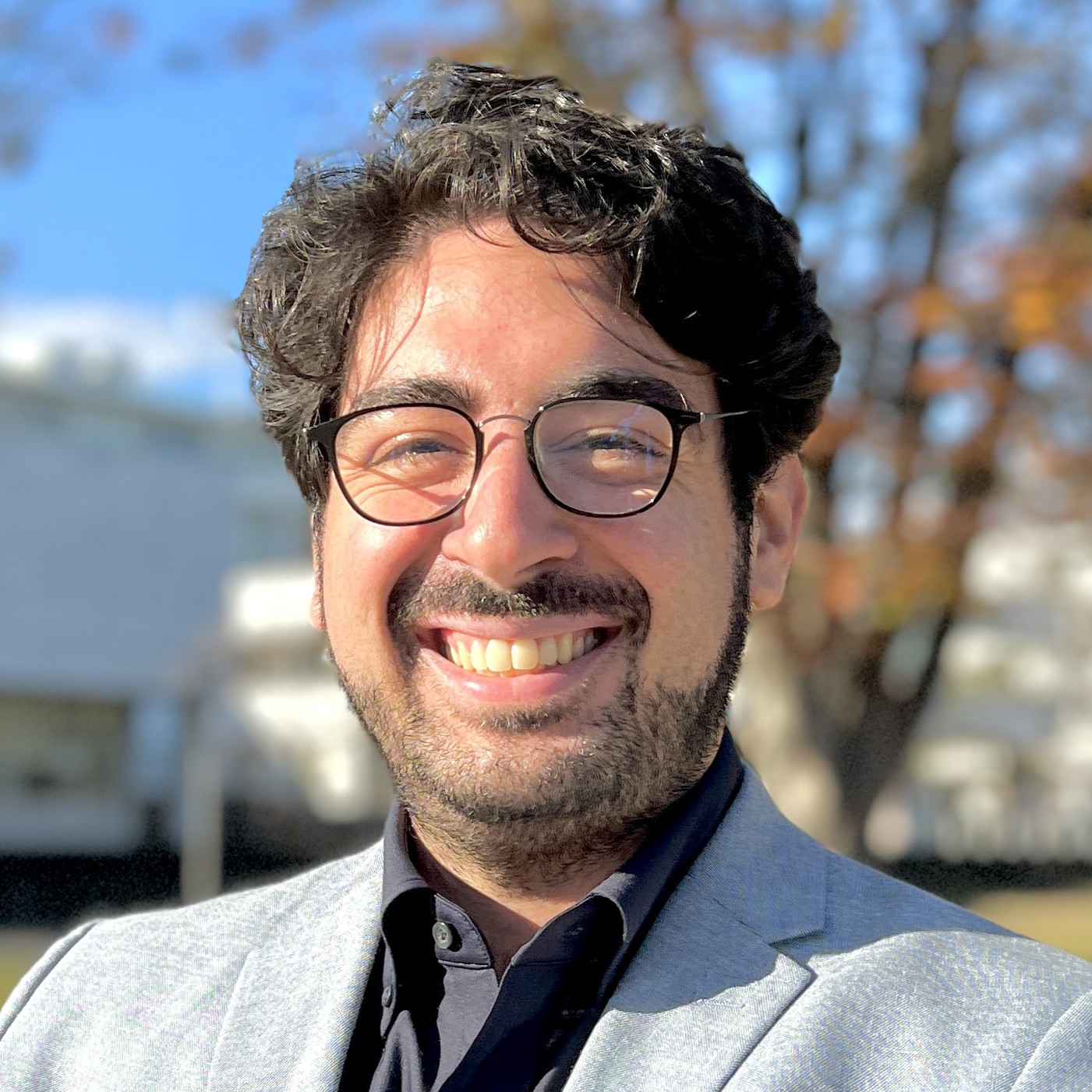
Fellowship Received: 2018
Academic Supervisor: Hiroto Kobayashi
Current Affiliation : Keio University
Aqil Cheddadi is a researcher and visiting lecturer at Keio University’s Faculty of Policy Management in Japan. He holds an Architect’s Diploma and professional license from the National School of Architecture in Rabat, Morocco, and a PhD in Media and Governance from Keio University, Japan.
His academic background spans architecture, urbanism, and computational design, with a particular focus on data-driven methods for studying and regenerating vernacular urban environments. His current work advances the integration of digital tools, local knowledge, and environmental data to support resilient and heritage-conscious urban reconstruction. Aqil collaborates with international partners in Morocco, Japan, and Europe to develop interdisciplinary research linking computational modeling, fieldwork, and cultural heritage studies.
Academic Achievements, Social Engagement Initiatives
Aqil Cheddadi’s work bridges architecture, computation, and cultural heritage. His research investigates how self-organizing urban tissues, such as traditional and informal settlements, adapt to social and environmental change. Through his studies, he has developed the concept of Generative Urbanism, a framework linking algorithmic design with participatory and heritage-based urbanism.
His academic achievements include publications and presentations in major international conferences such as CAADRIA, ASCAAD, and ASA, as well as a forthcoming article in the International Journal of Islamic Architecture (2024). In 2019, he received the Young CAADRIA Award for his contribution to generative urban design research. Beyond research, Aqil is actively engaged in cultural and educational outreach. He has served as a volunteer guide with the Rabat–Salé Mémoire Association, promoting awareness of architectural and urban heritage, and as a member of the AIAC International Architecture Competition committee, helping organize the 2023 edition in Marrakesh. At Keio University, he designs and leads fieldwork-based studios connecting students from Japan and abroad with local communities, fostering dialogue between digital design and cultural resilience.
Brief Summary of Support Program Activities
This research investigates the historical origins and contemporary changes of informal settlements in Morocco, revealing how colonial urban policies established spatial patterns that continue to shape today’s urban landscapes. The project challenges the conventional notion of informality as unplanned or chaotic, reframing it as a resilient and adaptive response to the legacies of displacement and regulation during the French and Spanish protectorates.
Through archival research in Morocco, France, and Spain, the study traces the planning ideologies and administrative systems that structured colonial cities. Complementary ethnographic and architectural fieldwork in Rabat, Casablanca, and Laayoune will document how local residents have since adapted, expanded, and redefined these inherited spaces, creating new forms of vernacular urbanism.
By comparing the French and Spanish colonial contexts, the research aims to construct a historically grounded understanding of resilience and adaptation in North African urbanism. The findings will contribute to debates on decolonial urban theory and inclusive planning, offering insights for contemporary urban policy and heritage conservation.
http://www.linkedin.com/in/aqilcheddadi/