Voices from the Sylff Community
Jun 30, 2026
Beyond the Black Box: Unveiling the Nurturing Bonds in Indonesia’s Juvenile Detention Centers
Behind the walls of Indonesia’s juvenile detention centers, correctional officers play roles that go far beyond enforcing rules. Jesika Juliana (Universiti Malaya, 2022–24) reveals how they also act as mentors and parental figures guiding youth toward rehabilitation and reintegration.
* * *
According to data from the Directorate General of Corrections (Ditjenpas), there were 1,574 juvenile inmates in Indonesia as of May 27, 2025 (Ridwan 2025). This figure represents minors serving sentences at juvenile detention centers, most commonly for narcotics-related offences, sexual violence, and involvement in mass brawls (tawuran). These juveniles are detained at specialized correctional facilities throughout Indonesia (Ditjenpas 2015).
Prison is often described as a “black box”—an impenetrable and opaque institution that operates beyond the reach of public oversight, legal accountability, and academic analysis (Kerr 2019). It functions as a closed system, where the transition from “input” (admission of inmates) to “output” remains hidden. Existing scholarship on carceral systems exhibits a distinct asymmetrical focus, predominantly prioritizing the lived experiences and demographics of the incarcerated population while leaving the correctional staff largely unexamined.
Furthermore, the extant literature concerning correctional personnel is geographically and demographically skewed, characterized by a Western-centric bias and a focus on adult facilities. This creates a theoretical vacuum when applied to the Indonesian context, where operational realities and regulatory frameworks differ significantly. Consequently, the experiences and occupational challenges faced by officers in Indonesian juvenile institutions remain underexplored.
In my previous research, I found that, from the perspective of juvenile offenders, correctional officers play a primary role within the rehabilitative system, influencing both rehabilitation outcomes and the likelihood of recidivism (Juliana, Nor, and Hutagalung 2025). They are pivotal agents of socialization and behavioral intervention whose daily interactions and discretionary authority directly shape the trajectory of a juvenile offender’s reintegration.
Funded by Sylff Research Grant 2025, my study investigated the lived experiences of correctional officers in Indonesia to provide a comprehensive phenomenological account of their professional realities. My aim was to delineate the systemic challenges, daily operational nuances, and officers’ perceptions of the rehabilitation process, while also highlighting areas for institutional reform.
By focusing on the officers’ perspective, this research sought to demystify the “black box” of the carceral system and shift attention from purely custodial functions to the human complexities of correctional work. This complements my previous research on Indonesia’s juvenile offenders, contributing much-needed empirical depth to localized contexts and exploring ways to enhance both officer and inmate well-being.
During my extensive fieldwork across four juvenile correctional institutions in Indonesia, I engaged in immersive observation to analyze the lived experiences of incarcerated youth and the intricate nature of staff-inmate interactions. This approach provided firsthand insights into the institutional climate.
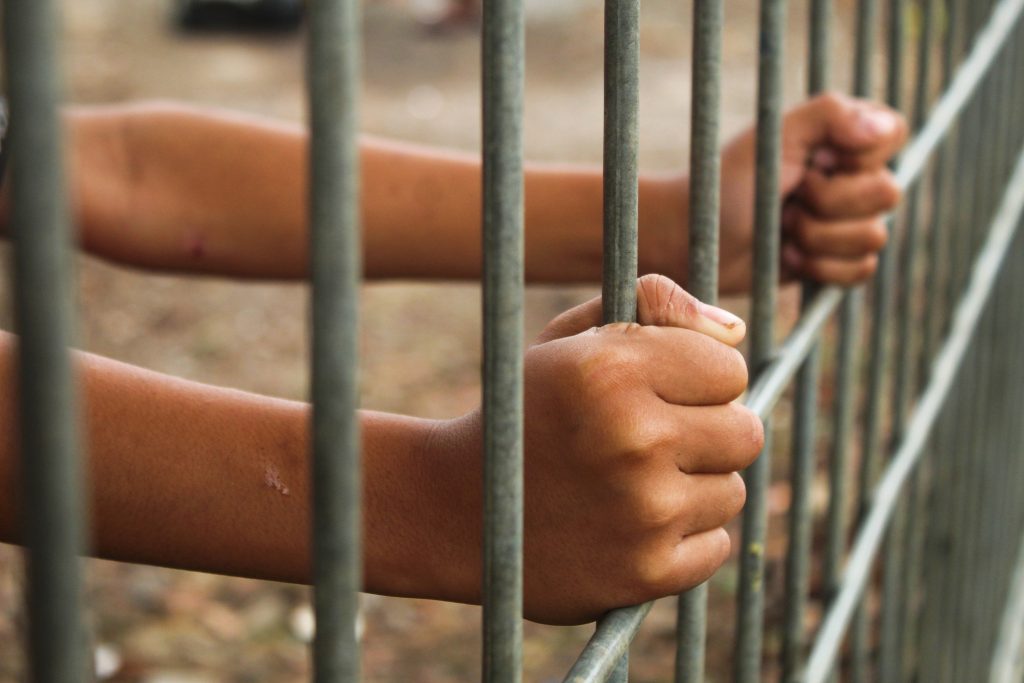
(©Hendri via Getty Images)
In contrast to common perceptions of carceral congestion, the facilities I observed were relatively uncrowded and featured expansive green spaces. Each had a low occupancy rate, with a typical population of only 20 to 30 juveniles per detention center. These conditions served as a backdrop for a structured rehabilitative regimen where the juveniles were actively engaged in a comprehensive suite of prosocial activities, primarily formal academic schooling and vocational training programs.
The multifaceted responsibilities of correctional officers range from mentorship and administrative oversight to ensuring strict adherence to institutional schedules and actively designing and facilitating diverse rehabilitative programming. Furthermore, these officers proactively pursue community engagement by frequently collaborating with external volunteers to expand the developmental opportunities available within the facility. Beyond their custodial duties, they often serve as parental figures, providing vital emotional support and functioning as trusted confidants for the juveniles.
This relationship is reflected in the way juveniles habitually address them: bu or bapak. These linguistic markers directly mirror the nomenclature used by Indonesian youth to address their own parents. This indicates a shift away from a strictly punitive authority toward a more supportive and nurturing model.
My previous research indicated that juveniles within these institutions frequently perceive correctional officers as primary caregivers (Juliana, Hutagalung, and Nor 2025), a sentiment that appears to be reciprocated. Through qualitative interviews, I observed that officers often adopt a parental orientation, viewing the residents as their own children rather than merely individuals under state custody. Officers reported a distinct absence of fear in their interactions, contrasting this experience with the high-tension dynamics often found in adult correctional facilities.
However, these professional realities are not without significant complexities and systemic pressures. Managing a juvenile population is inherently challenging, given the logistical demands of institutional management and the rigid requirements of standard operating procedures (SOPs) and key performance indicators (KPIs). Officers must navigate a delicate balance between emotional engagement and professional boundaries, maintaining the nurturing environment essential for rehabilitation while also adhering to the formal mandates of institutional security and bureaucratic accountability.

(©Rizky Panuntun via Getty Images)
The officers exhibit a prosocial commitment to the welfare of the juveniles, driven by a conviction that targeted interventions can significantly enhance their developmental trajectories. However, this rehabilitative intent is frequently stymied by budgetary constraints and further complicated by inter-departmental friction that creates a fragmented operational environment.
Consequently, officers must engage in administrative improvisation and creative problem-solving to maintain a functional suite of activities, leveraging limited resources to bypass systemic and logistical barriers. In qualitative interviews, correctional officers explicitly articulated that the primary source of occupational strain was not the juveniles themselves but systemic, bureaucratic inefficiencies and chronic fiscal under-resourcing by the state.
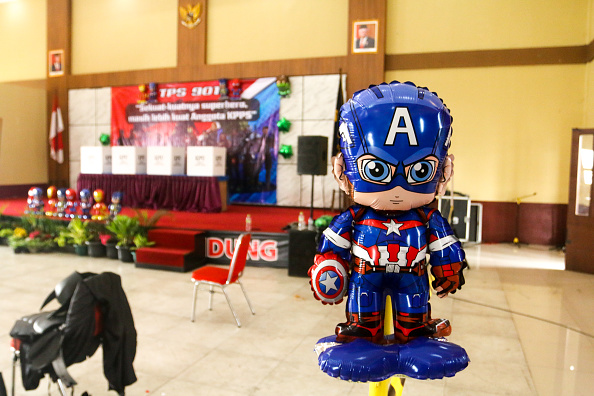
Voting booths at the Bandung Juvenile Detention Center were decorated with superheroes to encourage residents to participate in the February 2024 Indonesian presidential election. (©Ryan Suherlan/NurPhoto via Getty Images)
These findings contrast with the established literature on adult correctional facilities, which often identifies the inmate population as the primary source of occupational stress. In juvenile settings, bureaucratic inefficiencies play a more significant role. Furthermore, the data suggests high levels of intrinsic motivation, with officers reporting that they feel their professional efforts are validated when former residents successfully reintegrate into society and are accepted as productive members.
To enhance the psychological well-being and professional efficacy of correctional staff, greater attention should be given to increasing fiscal allocations, streamlining management practices, and preventing overcrowding. Support measures, such as fostering public recognition and providing opportunities for professional development, stress management, and self-care interventions, will likely further cultivate a synergistic institutional environment and ultimately optimize the rehabilitative outcomes for the juveniles under state care.
References
Direktorat Jenderal Pemasyarakatan (Ditjenpas). 2015. Transformasi sistem perlakuan anak lapas anak menjadi lembaga pembinaan khusus anak (LPKA). Kementerian Hukum dan HAM Republik Indonesia. August 4. https://www.ditjenpas.go.id/transformasi-sistem-perlakuan-anak-lapas-anak-menjadi-lembaga-pembinaan-khusus-anak-lpka.
Juliana, Jesika, Fonny Dameaty Hutagalung, and Azmawaty Mohamad Nor. 2025. “How Detainment Reshapes the Interpersonal Relationships of Indonesian Incarcerated Youth: A Qualitative Study.” The Prison Journal 105 (6): 807–829.
Juliana, Jesika, Azmawaty Mohamad Nor, and Fonny Dameaty Hutagalung. 2025. “‘I Don’t Want to Do That Anymore’: Motivation and Strategies to Desistance Among Juvenile Offenders in Indonesia.” Pertanika Journal of Social Sciences and Humanities 33 (1). http://pertanika2.upm.edu.my/pjssh/browse/regular-issue?article=JSSH-9124-2024.
Kerr, Lisa. 2019. “How the Prison Is a Black Box in Punishment Theory.” University of Toronto Law Journal 69 (1): 85–116.
Ridwan, Akbar. 2025. “Ada lebih dari 1.500 narapidana anak di Indonesia per 27 Mei 2025.” Databoks. May 27. https://databoks.katadata.co.id/demografi/statistik/68352eb9d6245/ada-lebih-dari-1500-narapidana-anak-di-indonesia-per-27-mei-2025.
I have adjusted the URL, as the original hyperlink (applied to the in-text citation) appeared to point to an offline local file, rather than a web address.