Author Archives: ld-sylff

  • HOME
  • 投稿者 : ld-sylff

Bulgaria and Japan: From the Cold War to the Twenty-first Century

August 14, 2013
By 19617

The following article is based on Bulgaria and Japan: From the Cold War to the Twenty-first Century, an exhaustively researched 2009 book by Evgeny Kandilarov—a Sylff fellow at Sofia University “St. Kliment Ohridski,” who used his fellowship to conduct research at Meiji University in Japan in 2005. The Tokyo Foundation asked the author, who is now an assistant professor at his alma mater, to summarize his findings, which have revealed intriguing patterns in the history of bilateral ties and international relations over the past several decades.

* * *
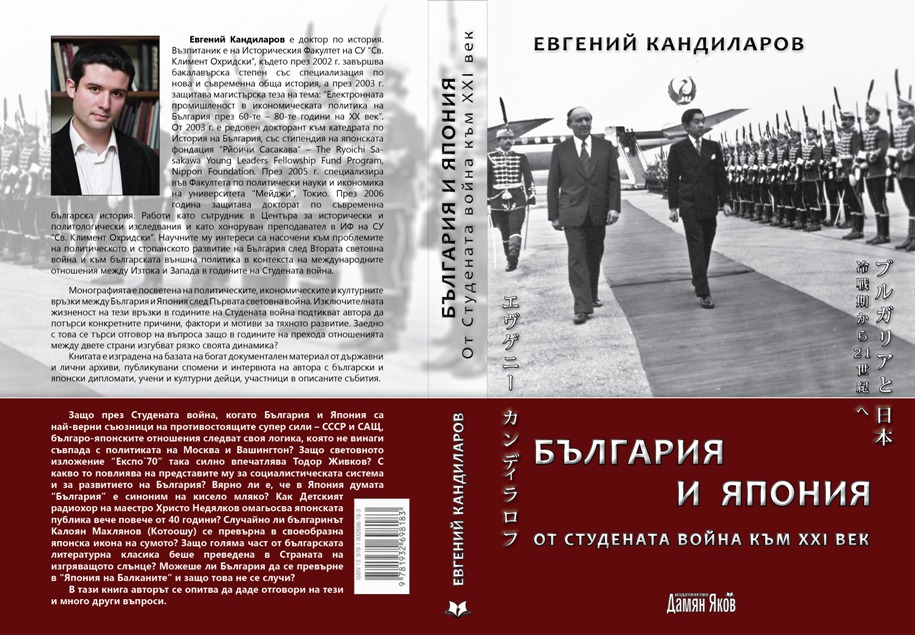
The book Bulgaria and Japan: From the Cold War to the Twenty-first Century is almost entirely based on unpublished documents from the diplomatic archives at the Bulgarian Ministry of Foreign Affairs. In order to clarify concrete political decisions, many documents from the Political Bureau of the Central Committee of the Bulgarian Communist Party, Comecon, and State Committee for Culture were used. These documents are available at the Central State Archives of the Republic of Bulgaria. For additional information, memoirs of eminent Bulgarian political figures and diplomats who took part in the researched events were also used.

This article aims to give a brief overview of the political, economic, and cultural relations between Bulgaria and Japan during the Cold War and the subsequent period of Bulgaria’s transition to democracy and a market economy.

Exhaustive research on the bilateral relationship between Bulgaria and Japan have revealed specific reasons, factors, and causes that led to fairly intense economic, scientific, technological, educational, and cultural exchange between the two countries during the Cold War. Furthermore, the study raises some important questions, perhaps the most intriguing one being: Why did the relationship rapidly lose its dynamics during the transition period, and what might be the reasons for this?

The study also poses a series of questions concerning how bilateral relations influenced the economic development of Bulgaria during the 1960s and 1980s, throwing light on the many economic decisions made by the Bulgarian government that were influenced by the Japanese economic model.

Five Distinct Stages of the Relationship

The analysis of Bulgaria-Japan relations can be divided into two major parts. The chronological framework of the first part is defined by the date of the resumption of diplomatic relations between Bulgaria and Japan in 1959 and the end of state socialism in Bulgaria in 1989, coinciding with the end of the Cold War. This timeframe presents a fully complete period with its own logic and characteristics, following which Bulgaria’s international relations and internal policy underwent a total transformation at the beginning of the 1990s.

The second part of the analysis covers the period of the Bulgarian transition from state socialism to a parliamentary democracy and market economy. This relatively long period in the development of the country highlighted the very different circumstances the two countries faced and differences in their character.

The inner boundaries of the study are defined by two mutually related principles. The first is the spirit of international relations that directly influenced the specifics of the bilateral relationship, and the second is the domestic economic development of Bulgaria, a country that played an active role in the dynamics of the relationship. In this way, the 1960s, 1970s, 1980s, 1990s (through 2007, when Bulgaria joined the EU), and the years since 2007 represent five distinct stages in the relations between Bulgaria and Japan.

The first stage began with the resumption of diplomatic relations in 1959. This was more a consequence of the general change in international relations in the mid-1950s than a result of deliberate foreign policy. After the easing of Cold War tensions between the two military and political blocs and the restart of dialogue, the whole Eastern bloc began normalizing its relations with the main ideological rival, the United States, as well as with its most loyal satellite in the Asia-Pacific region—Japan. From another point of view Japanese diplomatic activity toward Eastern Europe, including Bulgaria, was motivated mostly by the commercial and economic interests of Japanese corporations looking to extend their markets.

This period in Bulgarian-Japanese relations in the 1960s was characterized by mutual study and search for the right approach, the setting up of a legislative base, and the formulation of main priorities, aims, and interests.

Analyses of documents from the Bulgarian state archives show that Bulgaria was looking for a comprehensive development of the relationship, while Japan placed priority on economic ties and on technology and scientific transfer.

Budding Commercial Ties

One of the most important industries for which the Bulgarian government asked for support from Japan was electronics, which was developing very dynamically in Japan. In the mid-1960s Bulgaria signed a contract with one of Japan’s biggest electronics companies, Fujitsu Ltd. According to the contract, Bulgaria bought a license for the production of electronic devices, which were one of the first such devices produced by Bulgaria and sold on the Comecon market. The contract also included an opportunity for Bulgarian engineers to hone their expertise in Japan.

In the 1960s the first joint ventures between Bulgaria and Japan were established. In 1967 the Bulgarian state company Balkancar and the Japanese company Tokyo Boeki create a joint venture called Balist Kabushiki Kaisha. Another joint venture that was established was called Nichibu Ltd. In 1971 these two companies merged into a new joint venture, Nichibu Balist, engaged in trading all kinds of metals and metal constructions, forklifts and hoists and spare parts for factories, ships (second hand), marine equipment, spare parts, electronics, pharmaceuticals, and chemical products.
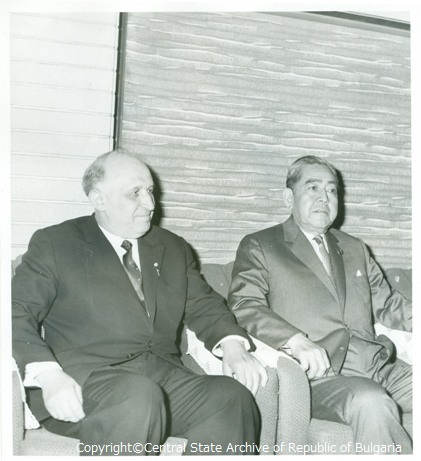
Bulgarian prime minister Todor Zhivkov and Japanese Prime minister Eisaku Sato, 1970, Japan.

Bulgarian prime minister Todor Zhivkov and Japanese Prime minister Eisaku Sato, 1970, Japan.

In 1970 Bulgaria and Japan signed an Agreement on Commerce and Navigation, which was the first of its kind signed by the Bulgarian government with a non-socialist country. According to the agreement, the two countries granted each other most-favored-nation treatment in all matters relating to trade and in the treatment of individuals and legal entities in their respective territories.

At the end of this stage of Bulgarian-Japanese bilateral relations, by participating in the Expo ’70 international exhibition, Bulgaria already had a clear idea of the “Japanese economic miracle” and how it could be applied to Bulgaria’s economic growth.

The Bulgarian government led by communist ruler Todor Zhivkov were very much impressed and influenced by Japan’s industrial, scientific, and technological policy, which led to the so called Japanese miracle. That is why the economic reforms and strategies adopted in Bulgaria over the following few years, although conducted in a completely different social and economic environment, were influenced to some extent by the Japanese model, especially in the field of science and technological policy.

Peak of Political and Economic Activity

The second stage in bilateral relations in the 1970s marked the peak of political and economic activity between the two countries. The goals set during the previous period were pursued and achieved slowly and steadily. The legislative base was broadened, and the number of influential Japanese partners increased. The international status quo in East-West relations, marked by the Helsinki process, presented the possibility for Bulgaria and Japan to enjoy a real “golden decade” in their relations.

In 1972 the Japan-Bulgaria Economic Committee for the development of trade, economic, and scientific and technological ties between the two countries was established in Tokyo. Committee participants included a number of large Japanese manufacturers, financial institutions, and trading companies. The head of the Committee was Nippon Seiko (NSK) President Hiroki Imazato. The same year in Sofia, Bulgaria established the Bulgaria-Japan Committee for Economic, Science, and Technical Cooperation, headed by Minister of Science, Technologies, and Higher Education Nacho Papazov.

In the mid-1970s the Bulgarian government undertook some legislative changes regarding the rules for foreign company representation in Bulgaria. These changes were influenced mainly by the attempt by the Bulgarian government to encourage the further development of Bulgarian-Japanese economic relations. After the legislative changes Japanese companies received the right to open their own commercial representative offices in Bulgaria, and in just a few years 10 Japanese companies opened offices: Mitsubishi, Mitsui, Sumitomo, C. Itoh, Fujitsu, Tokyo Maruichi Shoji, Nichibu Balist, Marubeni, Nissho Iwai, and Toyo Menka Kaisha. In 1977 the Japan External Trade Organization (JETRO) also opened an office, greatly contributing to the promotion of the trade and economic relations between Bulgaria and Japan.

Historic Summit Meeting
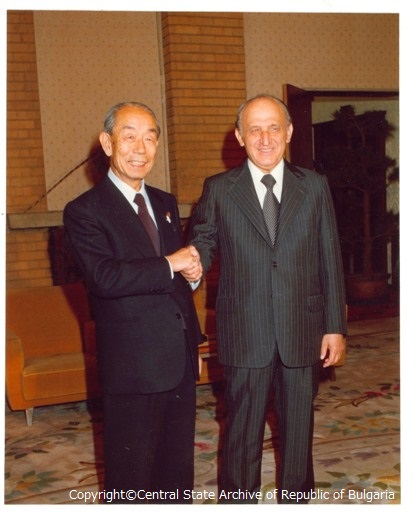
Bulgarian state leader Todor Zhivkov and Japanese Prime minister Takeo Fukuda, 1978, Japan.

Bulgarian state leader Todor Zhivkov and Japanese Prime minister Takeo Fukuda, 1978, Japan.

A political expression of the peak of Bulgarian-Japanese relations during the 1970s was the first official summit visit in the history of bilateral diplomatic relations—the visit by Bulgarian state leader Todor Zhivkov to Japan in March 1978 for a meeting with Japanese Prime Minister Takeo Fukuda.

During the visit, the two sides agreed to establish a Joint Intergovernmental Commission for Economic Cooperation, which has held working sessions every year, engaging both governments to further promote and extend the bilateral economic relationship.
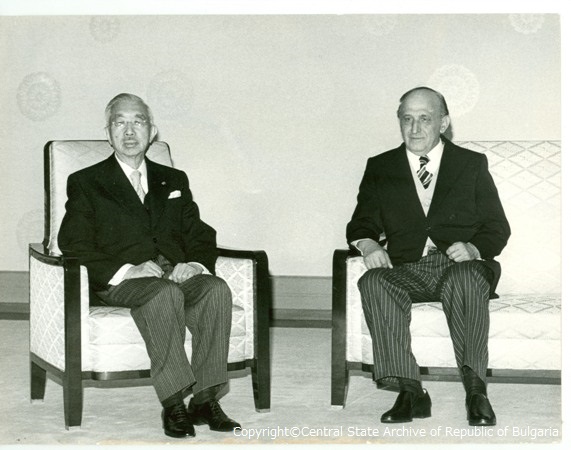
Bulgarian state leader Todor Zhivkov and Japanese Emperor Hirohito, 1978, Japan.

Bulgarian state leader Todor Zhivkov and Japanese Emperor Hirohito, 1978, Japan.

Following the state visit by Todor Zhivkov, the Bulgarian government created a very detailed strategic program for the development of Bulgarian-Japanese relations for the decade up to 1990. The main focus of the program was the following idea: “The strategic direction in the economic relations between Bulgaria and Japan consists in the rational use and implementation of modern and highly effective Japanese technologies, equipment and production experience for the promotion of the quality and efficiency of the Bulgarian economy.”
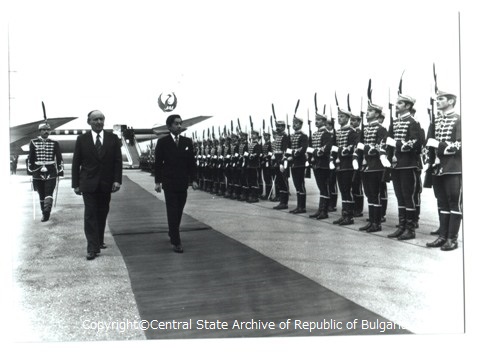
 The Crown Prince Akihito during his official state visit in Bulgaria, October 1979.

The Crown Prince Akihito during his official state visit in Bulgaria, October 1979.

Another key point was that the Bulgarian government would focus its efforts on strengthening cooperation with leading Japanese companies in such fields as electronics and microelectronics, automation and robotics, heavy industries, chemicals, electronics, and engineering.

In response to the Bulgarian state visit in 1978, the next year, in October 1979, Bulgaria was visited by Crown Prince Akihito and Crown Princess Michiko as the official representatives of Emperor Hirohito.

1980s: Broadening Spheres of Cooperation

During the third period of Bulgarian-Japanese relations, the momentum of the preceding stages still kept the relationship stable and growing. The sphere of cooperation and mutual interest widened, and the Bulgarian government relied more on the Japanese support and the advantages offered by the Japanese economic model.

At the beginning of the 1980s the Bulgarian government undertook another step toward the liberalization of the Bulgarian economy. It gave an opportunity for Western companies to invest in Bulgaria by concluding contracts for industrial cooperation and creating associations. These changes in the Bulgarian economy caused great interest among Japanese economic circles, and within the next few years six Bulgarian-Japanese joint companies were created. The names and activities of the joint companies were as follows:
Fanuc-Mashinex with the participation of Japanese company Fanuc Co: Service and production in the fields of electronics, automation, and engineering.
Atlas Engineering with the participation of Japanese companies Mitsui, C. Itoh, Toshiba, and Kobe Steel: Design, supply, and implementation of projects in Bulgaria and third countries in the fields of mechanical engineering, chemicals, and metallurgy.
Sofia-Mitsukoshi with the participation of Japanese companies Mitsukoshi and Tokyo Maruichi Shoji: Production and trade in the field of light industry as well as the reconstruction of department stores.
Tobu-M.X.: Manufacture and sale of machinery for magnetic abrasive treatment of complex-shaped parts. Production was based on Bulgarian technology, and the products were sold in Japan and in third countries.
Medicom Systems with the participation of Japanese company Tokyo Maruichi Shoji: Research, production, and sale of equipment and software for the medical and education markets.
Farmahim-Japan with the participation of Japanese company Marubeni: Collaboration in the pharmaceutical field.

1990s: Transformation of the Relationship

The subsequent crisis in East-West relations in the 1980s, the growing economic crisis in the Communist bloc, and changes in the political leadership in Moscow brought about the end of the Cold War and the beginning of a new era in international relations. During the 1990s, these new factors completely transformed the relationship between Bulgaria and Japan.

In the next period, during which Bulgaria began a long and arduous transition to a democratic political system and functioning market economy, an abrupt switch came about in the direction of Bulgarian foreign policy. The governing parties during this period made every effort to incorporate Bulgaria into the Euro-Atlantic military and economic structures, namely, the North Atlantic Treaty Organization and the European Union.

This required a great deal of effort to transform the political and economic systems. The focusing of national energy on these social transformations created a totally different environment for Bulgaria-Japan relations. Bulgaria became a developing country and was placed in an unequal position in terms of the international hierarchy. For a long time, relations between the two countries consisted largely of Japanese disbursements of official development assistance (ODA).

Despite the dialogue between Bulgaria and Japan from 1959 to 1989, the 1990s was a period of steady decline and stagnation in the bilateral relationship, being reduced, to a large extent, to one between donor and recipient.

All this led to a paradoxical situation: economic relations between Bulgaria and Japan were much closer when the countries were politically and ideologically far apart than during the period after 1989, when they stood in the same ideological framework. The underlying reasons for this are related to the question of what were the driving forces of the relationship during the Cold War.

Nurturing a New Partnership

A detailed study of the relationship between 1959 and 1989 shows that for the most part the initiative came mainly from the Bulgarian side, which showed keen interest in and reaped benefits from the relationship. Bulgaria was driven by commercial and economic interests and the need for scientific and technological cooperation. Moreover, Japan was both a good model and a suitable partner for Bulgaria. Japan saw in Bulgaria and other socialist countries an opportunity to expand its export markets and to import cheaper food commodities and raw materials.

At the same time, ties with a highly developed country like Japan provided an opportunity for the Bulgarian government to identify the defects and shortcomings of the closed, centralized, planned economy. This underlined a persistent set of problems, the major one being the lack of competitiveness of Bulgarian products stemming from poor quality, low labor efficiency, poor level of technology, unstable stock exchange, limitations in the number and variety of goods, mediocre design, and the failure to adapt to a highly dynamic and competitive market environment.

As late as January 1, 2007, both countries took a step to set up a new partnership framework on equal terms. After Bulgaria joined the EU, relations between the two countries became almost entirely dependent on the geopolitical, economic, and to some extent cultural interests of the respective counties in the region. From this perspective, the starting points of the relations between Bulgaria and Japan at the beginning of the twenty-first century did not seem very strong. This could be clearly seen in the empirical data on Japanese investment in Bulgaria, financial transactions, the traffic of tourists, cultural presence, and other areas, as well as in the peripheral position of Bulgaria in Japan’s foreign strategy toward the region, underlined by then Japanese foreign minister Taro Aso’s 2006 concept called the Arc of Freedom and Prosperity.

Unfortunately, even almost seven years after Bulgaria joined the EU there has not been any significant change in Bulgarian-Japanese relations, which remain very much below their optimal potential. The reasons for this can be found both in the lack of political and economic stability in Bulgaria as well as in the continuing economic instability of Japan over the last 20 years. Whether Japan and Bulgaria will once again see a merging of interests and revive a mutually beneficial relationship is a matter for another analysis. The most important thing is that there is already a very good base for a fruitful relationship, even though it was set during the Cold War, and it should be used as a starting point in the attempts by the Bulgarian government and its Japanese partners to find a more efficient and beneficial approach in developing bilateral relations.

  • HOME
  • 投稿者 : ld-sylff

Sylff@Tokyo: Japan Contest Winner Visits Tokyo Foundation

August 12, 2013

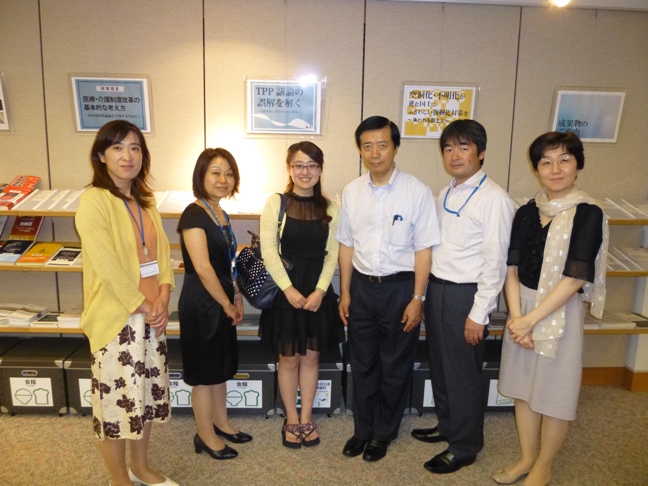
Yajun, third from left

Yajun, third from left

Liu Yajun, a Sylff fellow at Nanjing University, visited the Tokyo Foundation on July 26, 2013. Yajun was awarded the second prize in a contest among 60 universities in China on knowledge concerning the Japanese language and culture. Her prize was a trip to Japan, during which she visited the Foundation.

Yajun said that she began studying Japanese after she entered university. Her fluency and deep knowledge of Japan was highly impressive. Upon receiving the award, Yajun wrote, “It is at times when the China-Japan relationship is difficult that we should promote exchange. Cultural exchange has the power to overcome all difficulties.”

The Tokyo Foundation is very proud of Yajun’s accomplishments and will continue to support outstanding fellows like her.

  • HOME
  • 投稿者 : ld-sylff

  • HOME
  • 投稿者 : ld-sylff

  • HOME
  • 投稿者 : ld-sylff

Fellowships Conferred at Waseda University Ceremony

July 30, 2013

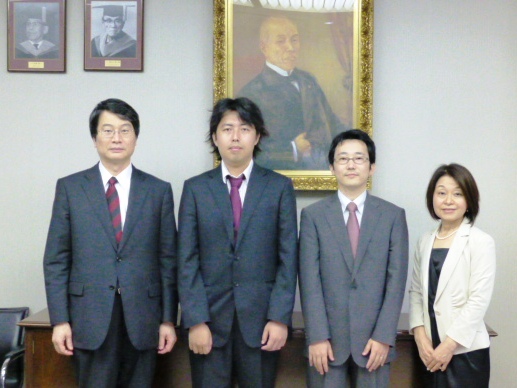
From left to right, Naoto Onzo, Ryosuke Takai, Junji Kawashima, Mari Suzuki

From left to right, Naoto Onzo, Ryosuke Takai, Junji Kawashima, Mari Suzuki

Two Waseda University graduate students were presented with Sylff fellowships during a ceremony held at a hall commemorating university founder Shigenobu Okuma on July 3, 2013. The fellowship recipients for the 2013 academic year were Ryosuke Takai, who is in the fourth year of a doctoral program at the Graduate School of Political Science, and Junji Kawashima, a third-year doctoral student at the Graduate School of Social Sciences.

“Our university, which has a history of over 130 years, seeks to further enhance its presence in the international community,” noted Naoto Onzo, the university’s executive director for research promotion and the chairman of the Sylff steering committee. “We also hope to nurture highly capable human resources demonstrating academic excellence and personal integrity who can make a positive contribution to societies around the globe. I hope that the two recipients this year will utilize their fellowships to fully advance their research and become true leaders for international society, as the name of the Young Leaders program suggests.”

Ryosuke Takai, who is undertaking a comparative analysis of the process of democratization and the spread of the rule of law in Asian and African countries, said he hoped that development models based on his research findings may contribute to the further democratization of countries in these regions.

Junji Kawashima, who is studying the institutional development and the legitimacy of change during the 1978–2012 reign of Yemeni President Ali Abdullah Saleh, commented, “I will devote my energies to research and hone my leadership skills so that those who endorsed me for the fellowship will be glad they did so.”

Attending the ceremony from the Tokyo Foundation was Director for Leadership Development Mari Suzuki, who expressed the hope that the new fellows would take advantage of Sylff’s global network to advance both their academic pursuits and personal development.

  • HOME
  • 投稿者 : ld-sylff

A Friendly Midsummer Get-Together in Tokyo

July 29, 2013
By null

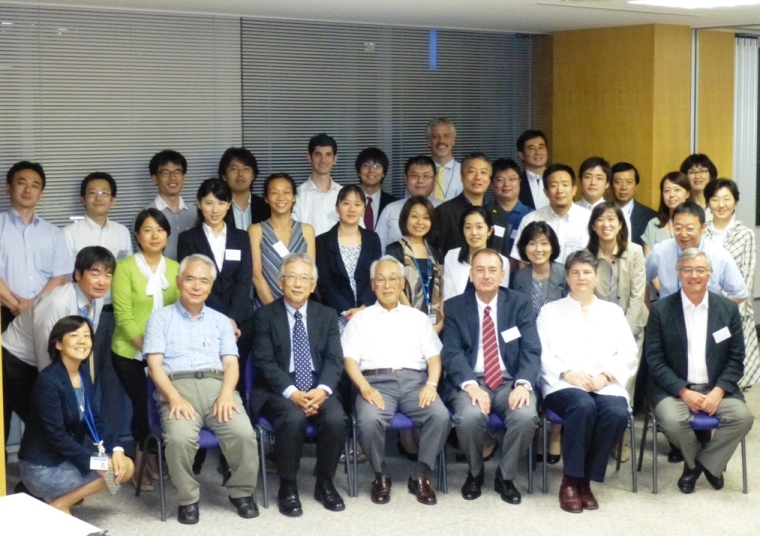
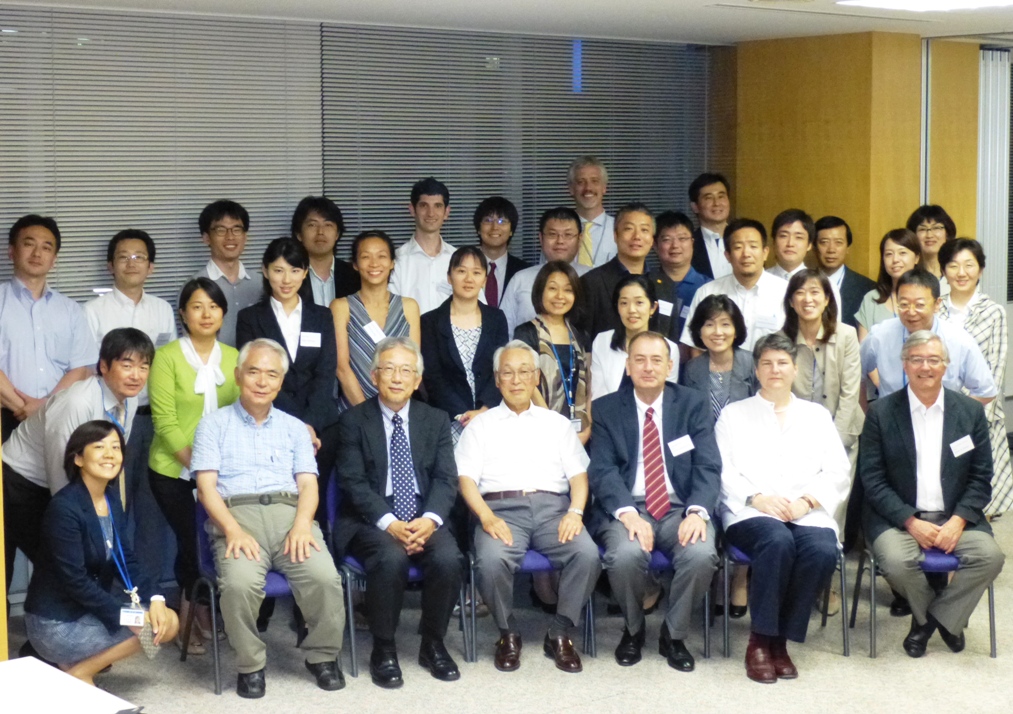
All participants of the Sylff Fellows Gathering

All participants of the Sylff Fellows Gathering

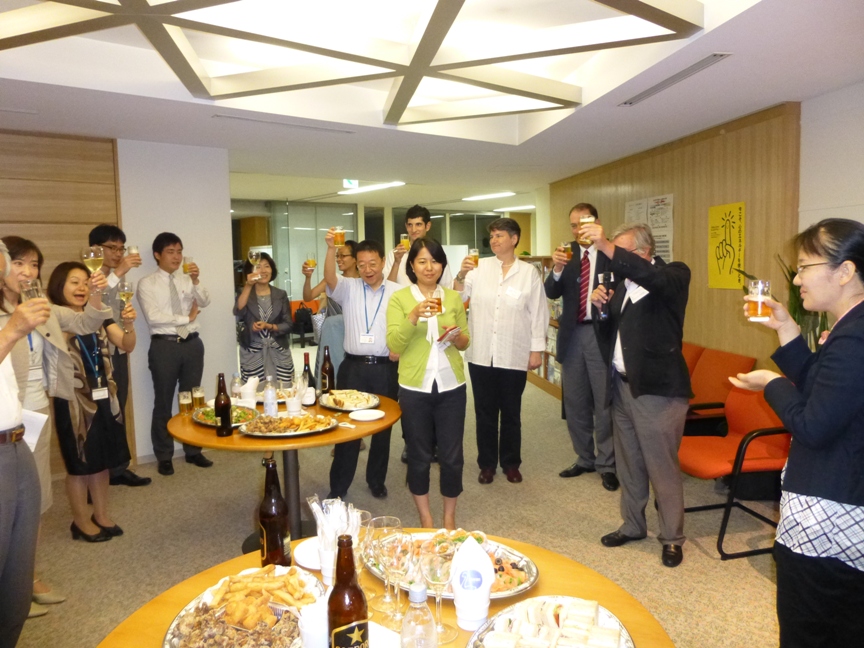
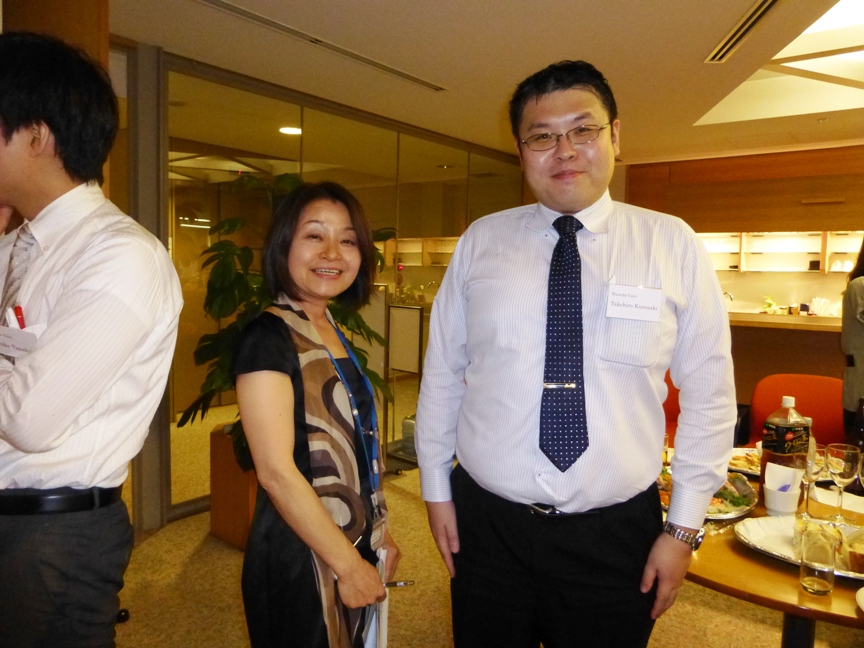
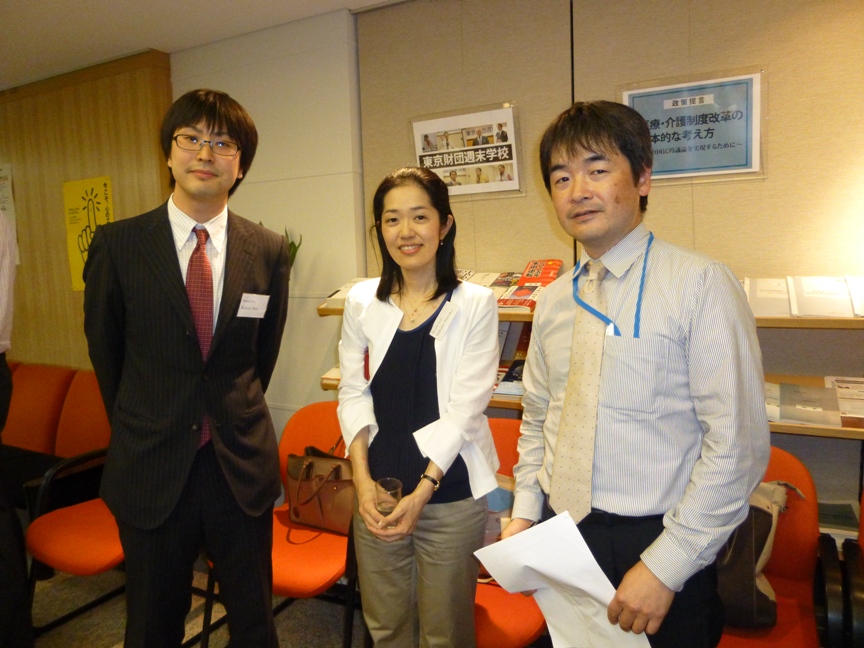
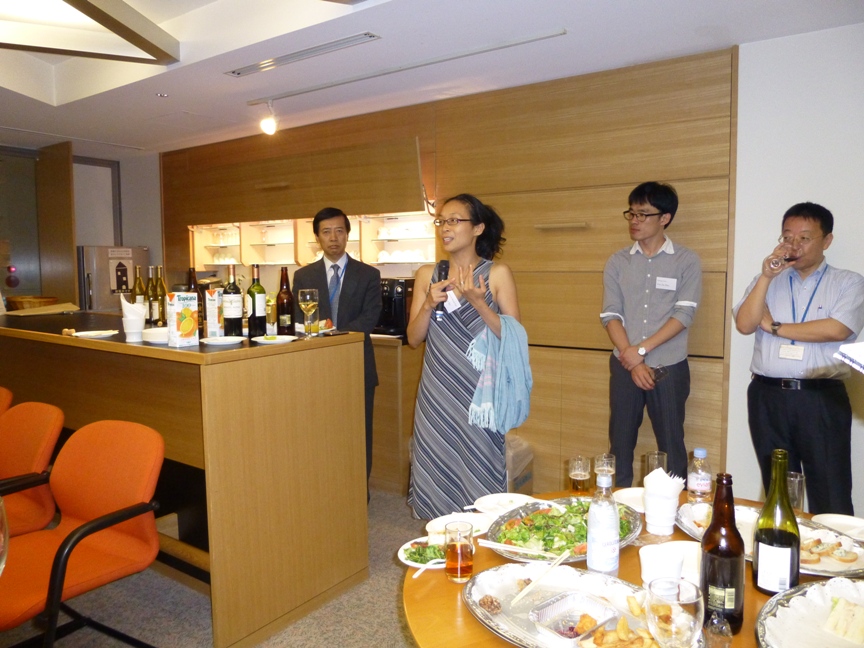
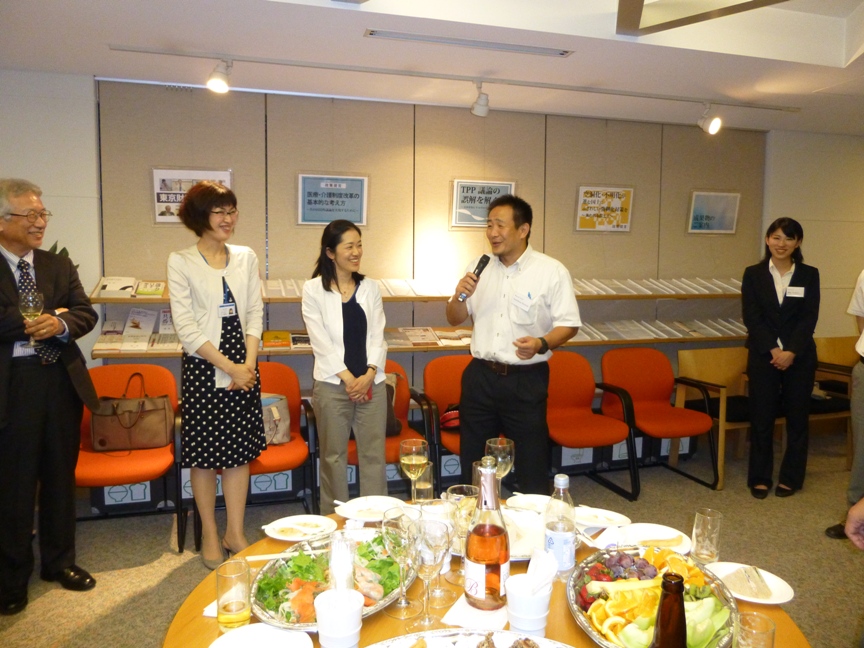
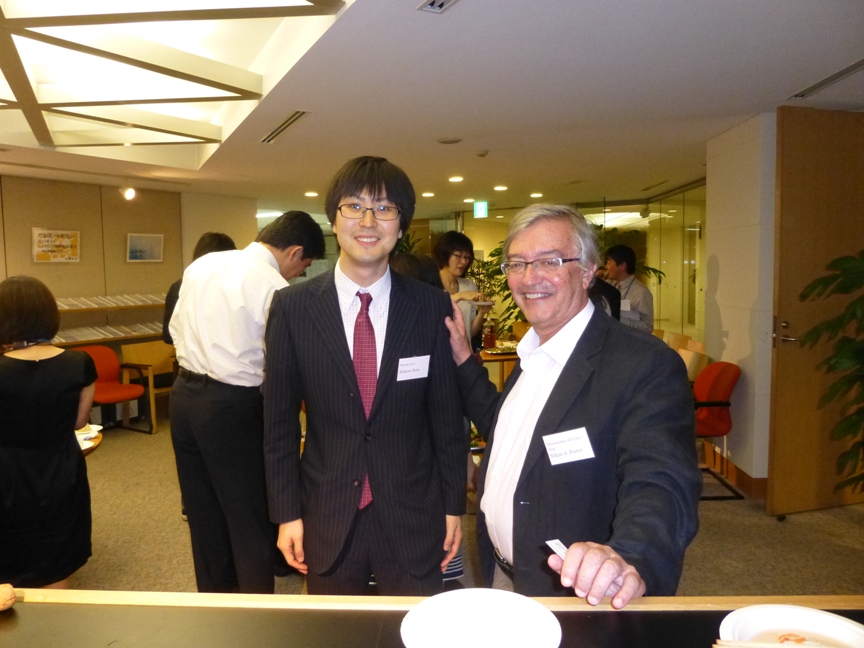
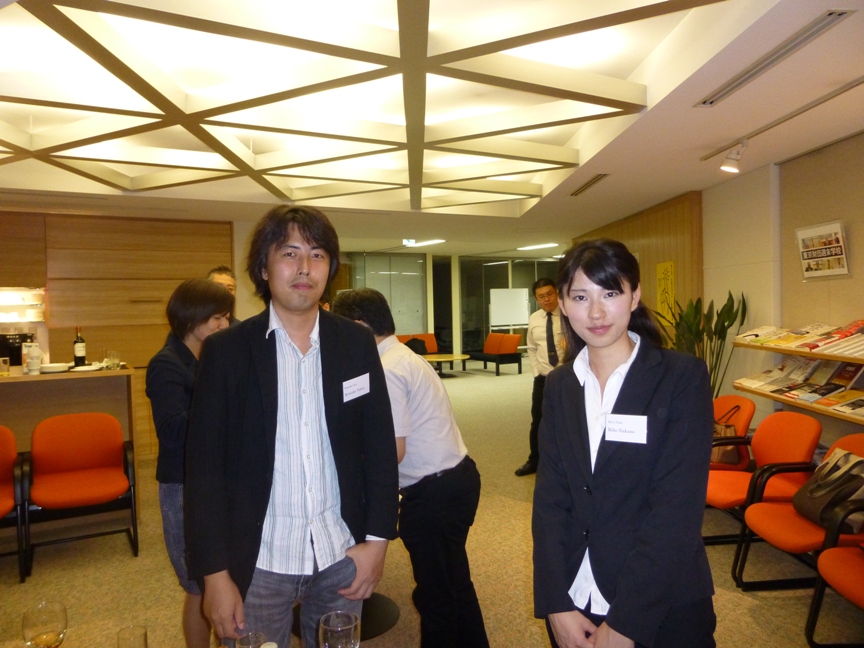
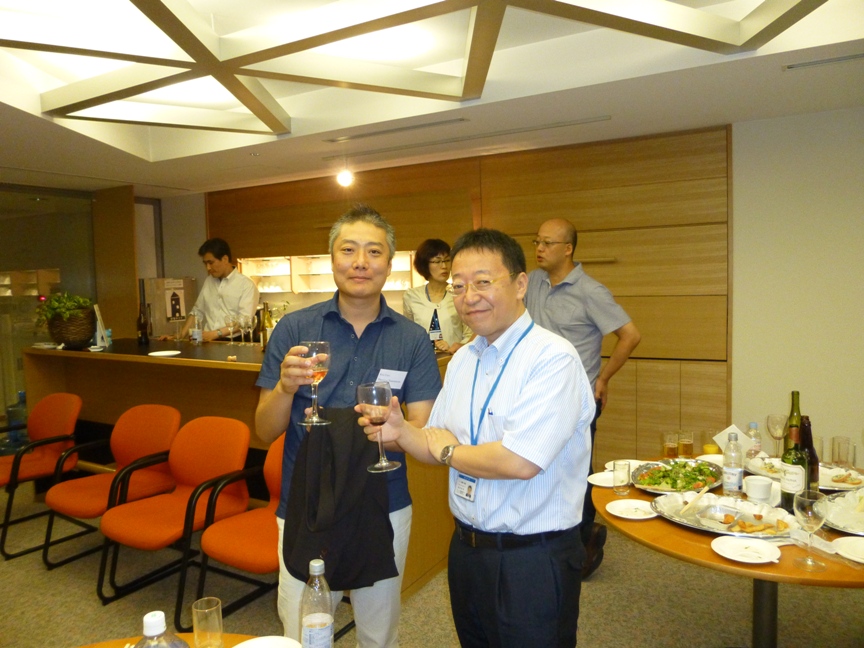
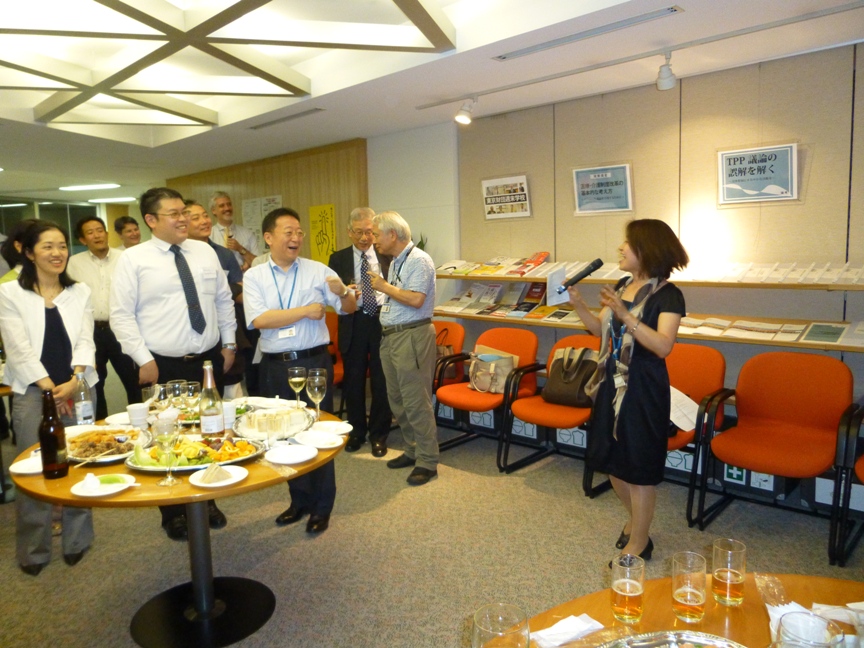
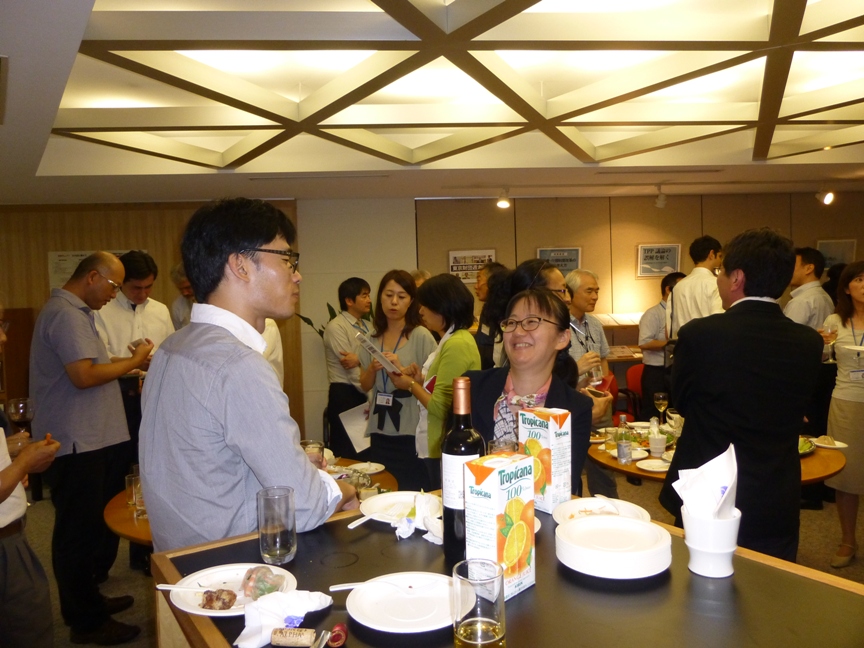
Around 20 Sylff fellows and steering committee members attended the first Sylff Fellows Gathering, a relaxed and informative midsummer evening get-together held on Wednesday, July 10, at the Tokyo Foundation.

The gathering was organized to update fellows and SSC members of recently launched Sylff support programs and to give an overview of the Tokyo Foundation, including its policy research activities, as well as to provide opportunities for visitors to ask questions, offer comments, share their own news, and, of course, to get to know one another better.

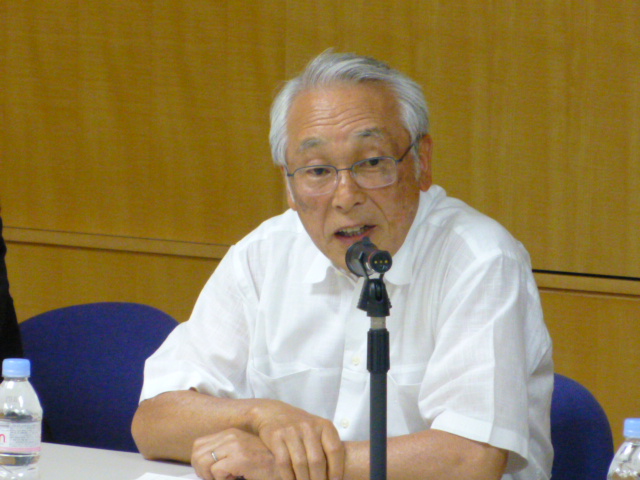
 Masahiro Akiyama

Masahiro Akiyama

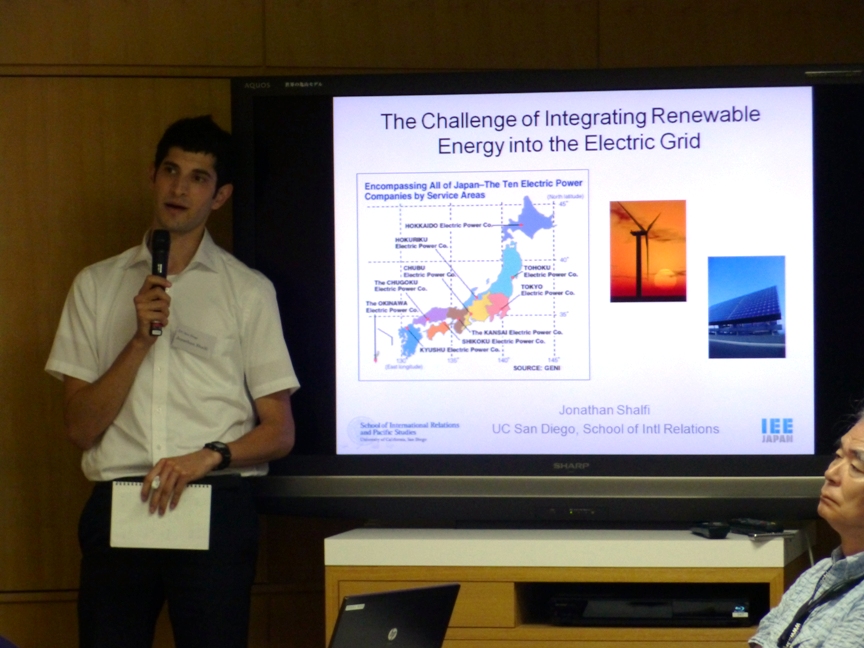
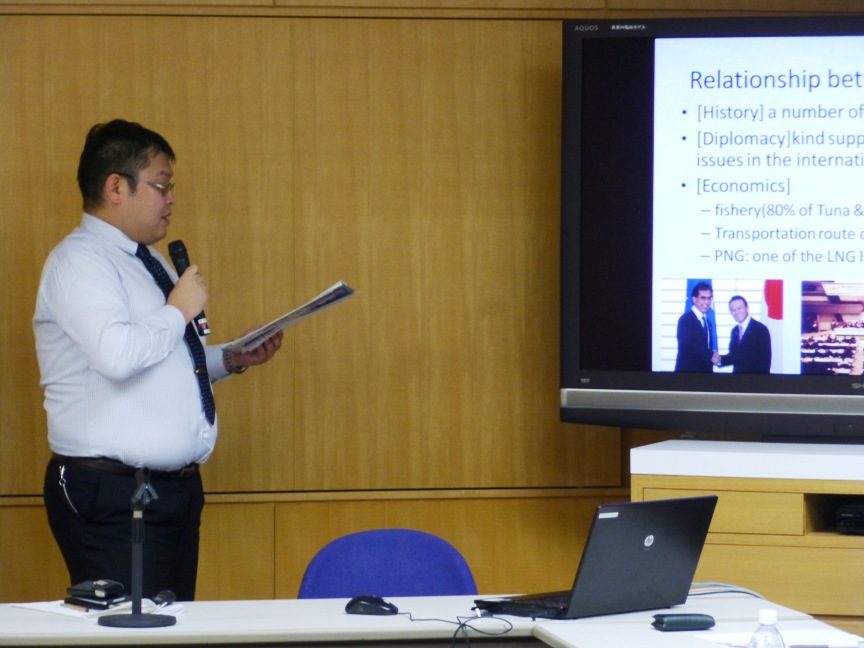
The first half of the get-together featured presentations by the Foundation and two Sylff fellows: Jonathan Shalfi, a master’s degree student at the School of International Relations and Pacific Studies, UC San Diego; and Takehiro Kurosaki, who received a doctorate in anthropology from Waseda University and is now the deputy director of the Pacific Islands Center.

Special guests included Dr. Vladimir Bumbasirevic and Dr. Ivanka Popovic, the rector and vice-rector of the University of Belgrade—Serbia’s largest and oldest university—and Professor Edgar Porter, a member of the Sylff steering committee at the Ritsumeikan Asia Pacific University in Beppu, Japan.

Welcoming remarks were made by Tokyo Foundation President Masahiro Akiyama, who expressed his hope that the gathering would be the first of many more productive forums for the exchange of ideas, and by Tatsuya Tanami, Executive Director of the Nippon Foundation, the donor of the Sylff endowments.

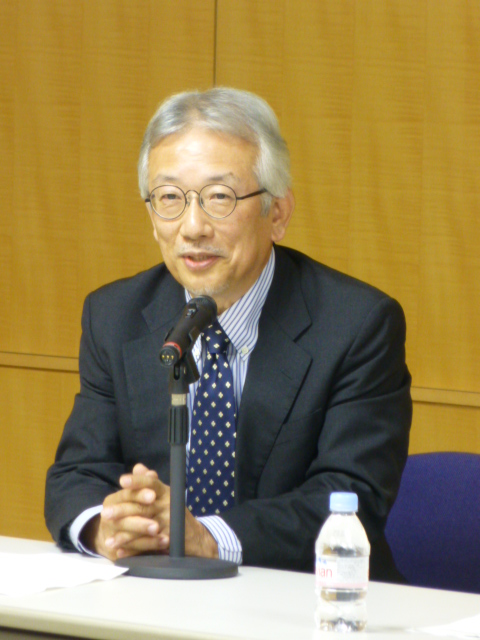
Tatsuya Tanami

Tatsuya Tanami

Tanami recalled that Sylff was the brainchild of the late Ryoichi Sasakawa, who, toward the last stages of his life, realized his dream of establishing a fellowship program that would produce leaders to bring positive social change in countries around the world.

The initiative has been highly successful, Tanami noted, providing opportunities for research and social engagement for around 15,000 graduate-level students in 44 countries. He added that Sylff is one of largest of around 25 human resources development programs involving the Nippon Foundation which may total more than 30,000 people, and expressed his hope that these people could one day be integrated into a single network to facilitate communication and understanding.

One of Japan’s Leading Think Tanks

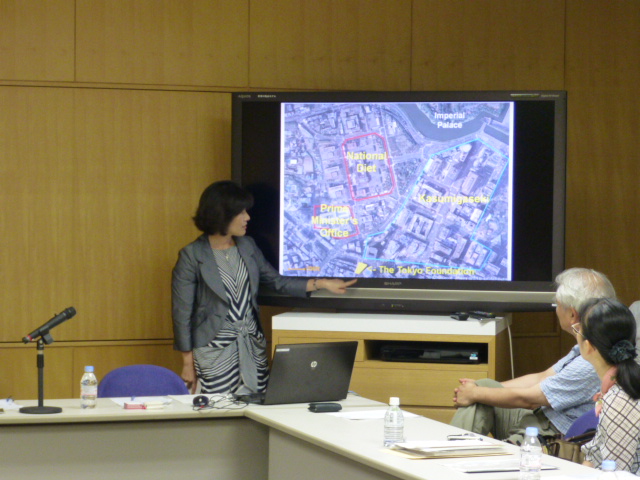
Tokyo Foundation Director for Public Communications Akiko Imai then gave an overview of the Foundation’s activities, emphasizing the unique combination of policy research and the nurturing of change-makers that makes the foundation one of Japan’s leading think tanks.

Akiko Imai

Akiko Imai

“We’re financially independent of any political or commercial interests, and this allows us to set our own goals,” she noted. “Our central location makes it easy for members of the National Diet and senior government officials to join us for both small-group workshops and public forums.”

Policy research at the foundation covers a broad range of areas, ranging from foreign, security, and trade policy and energy resources to health and nursing care, tax reform, and corporate social responsibility. “These are all interrelated,” Imai said. “Healthcare issues, for example, are closely linked to tax and social security, and could be significantly affected by the Trans-Pacific Partnership. So our research fellows work closely together in a cross-disciplinary way to ensure that our policy proposals are relevant from a cross-issue perspective, and we actively communicate those proposals through our network of leading policymakers, journalists, and scholars, and global think tanks.”

Cultivating Leaders of Tomorrow

Takashi Suzuki

Takashi Suzuki

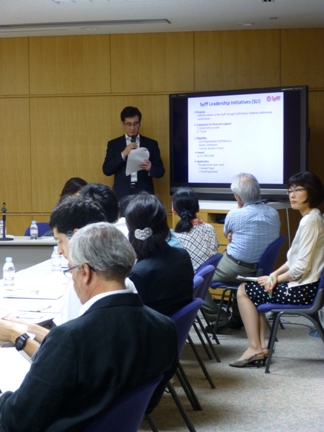
A summary of the Sylff program and updates on additional support available for fellows from the Tokyo Foundation were provided by Director for Leadership Development Takashi Suzuki.

Sylff is one of four major leadership developments programs in which the Tokyo Foundation is engaged. The aims of Sylff, he said, are to cultivate leaders of tomorrow who will contribute to the common good of humankind while transcending national, ethnic, and other boundaries and respecting the diversity of cultures and values; and to support the education of outstanding students pursuing graduate-level study in the social sciences and humanities.

Suzuki introduced two fellows who have gone on to become outstanding leaders in their respective communities following graduation: Dejan Šoškić, a graduate of the University of Belgrade who was appointed governor of the National Bank of Serbia in July 2010; and Loukas Spanos, a Sylff fellow at the University of Athens who has played a key role in the reconstruction of the Greek economy as the director of the Minister's Office at the Greek Ministry of Labor and Social Security.

Noting that one of the Tokyo Foundation’s main tasks regarding the Sylff program is to support the activities of fellowship recipients, Suzuki provided an outline of Sylff Research Abroad (SRA), which supports fellows’ research in a foreign country for their doctoral dissertations, and Sylff Leadership Initiatives (SLI), aimed at encouraging Sylff fellows to address important issues through social action initiatives or workshops to bring about positive change. “In addition,” Suzuki said, “we’re planning to launch global forums for Sylff fellows on an annual basis starting from fiscal 2015.”

Integrating Renewable Energy into the Grid

Jonathan Shalfi

Jonathan Shalfi

Two fellows then made brief presentations on their recent activities. The first was Jonathan Shalfi, a master’s degree student at IR/PS at US San Diego, who is conducting research this summer at the Institute of Energy Economics, Japan, on the challenges of integrating renewable energy into the electric grid.

“It’s one thing to place electric panels on rooftops and another to actually integrate solar-generated power into the grid,” Shalfi emphasized. “This is what I’m studying. There’s no question renewable energy is becoming a more important part of the energy mix, but the issue of integrating it into the grid hasn’t been studied much yet.”

He noted that Japan faces one of the toughest integration challenges, since there are 10 largely independent, investor-owned electric utilities in the country with very little transmission capacity between them. “Transmission presents great difficulties. Hokkaido has the most wind potential, for instance, but it’s isolated from the big population centers. The situation for solar is quite similar, with most of the potential being located in rural areas. Another challenge is stability, since there must be a way to meet power deficits when the sun suddenly goes away or the wind dies down.”

Looking at Japan, where the production of renewable energy has risen sharply with the introduction of the feed-in-tariff system during the administration of the Democratic Party of Japan, is very important as a test case, Shalfi added, for there are many lessons to be learned by other countries.

Close Ties with Pacific Island Countries

Takehiro Kurosaki

Takehiro Kurosaki

The second fellow to make a presentation was Takehiro Kurosaki, deputy director of the Pacific Islands Center who was a fellowship recipient in 2007 while studying cultural anthropology at Waseda University.

He recalled that the fellowship enabled him to conduct fieldwork in the Marshall Islands and neighboring countries, interviewing high-level bureaucrats, business leaders, and politicians—including the president—about the cultures and political systems of the region.

The fellowship, Kurosaki said, opened doors to his subsequent academic and professional career and to his current position at the PIC, an international organization established in October 1996 by the Japanese government and the Pacific Islands Forum—a consortium of 16 independent Pacific countries, including Australia and New Zealand—to promote the sustainable economic development of the Pacific region, encourage trade and investment from Japan, and bolster tourism.

“Japan has very close historical ties to these countries,” Kurosaki noted. “The president of Micronesia, Emanuel Mori, is the great-grandson of a Japanese samurai from Kochi Prefecture who married the daughter of a traditional chieftain. The Moris are a large clan numbering around 4,000 people in Micronesia, and they have a big impact on the country’s economy and politics.”

Diplomatically, the Pacific islands are important supporters of Japan in international forums like the United Nations, and Japan depends on the region economically for around 80% of its imports of tuna and bonito and as a sea lane for the transport of mineral and energy resources. Japan will also be a major market for the liquefied natural gas produced in Papua New Guinea beginning early next year.

“Japan is one of the top donors of development assistance to the region,” said Kurosaki. “The support has been used to build these young countries’ socioeconomic infrastructure and address challenges posed by global warming and natural disasters, such as typhoons, tsunamis, and drought.”

PIC also organizes exhibitions and stage shows in Tokyo to enhance the visibility of the Pacific countries in cooperation with the Japanese government and the Pacific Islands Forum. “The Pacific countries regard Japan as a friendly and important partner, while Japan attaches great value to them in the global community. I think we need to expand our ties, not just among governments but also in the private and nongovernment sectors.”

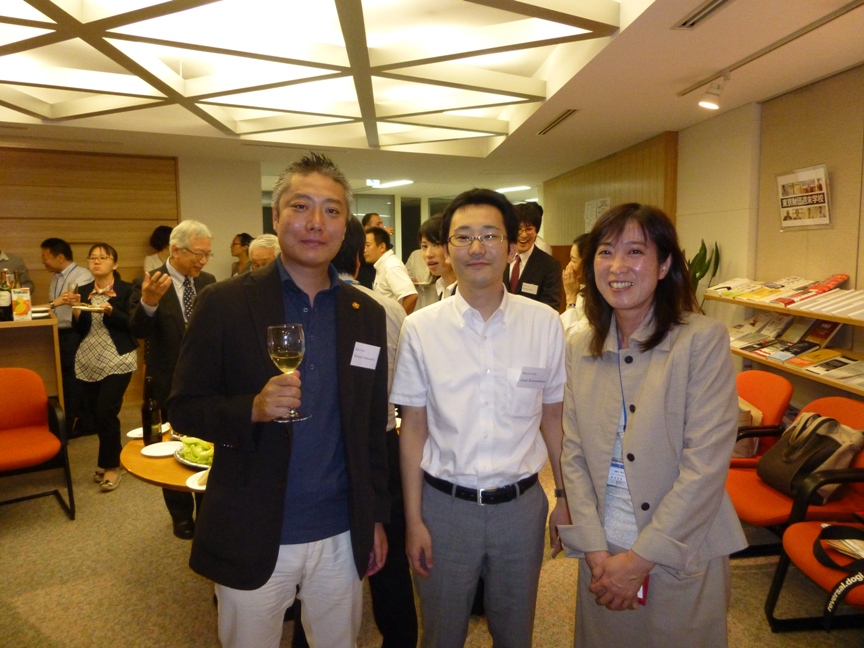
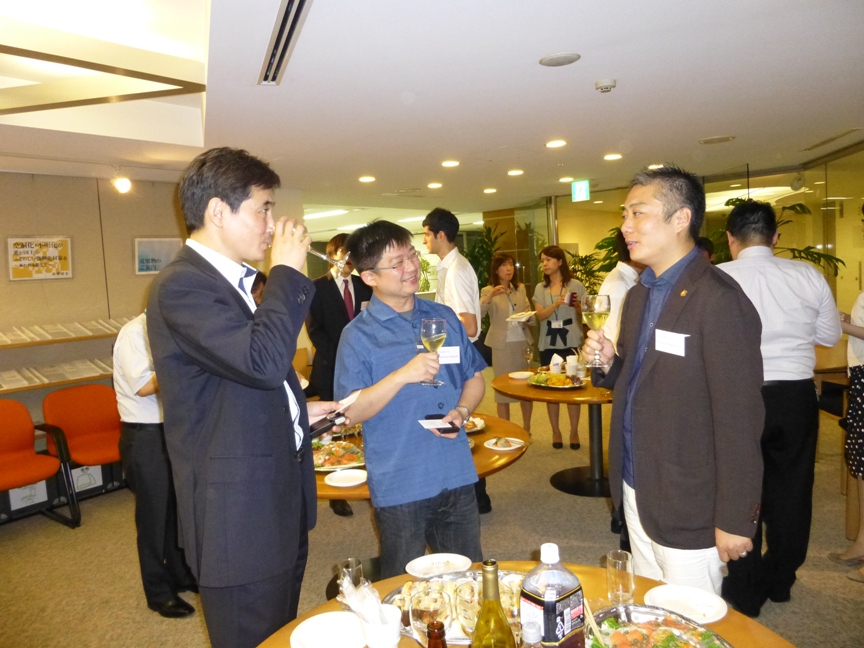
Following the presentations, participating Sylff fellows and administrators had an opportunity to talk with Tokyo Foundation program officers and research fellows as well as with one another at the reception, sharing ideas and deepening friendships over food and drinks.

  • HOME
  • 投稿者 : ld-sylff

SRA Awardees for Fiscal 2013, First Round

July 24, 2013

2013-1 Awardees

2013-1 Awardees

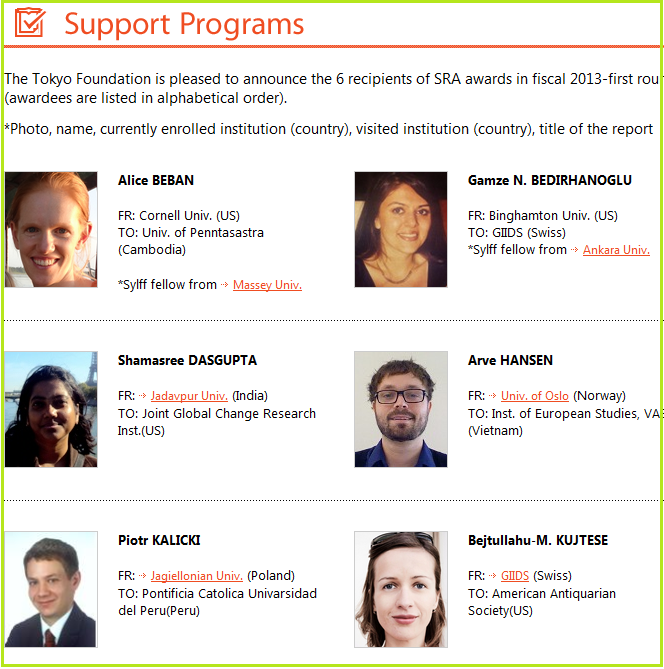
The Tokyo Foundation is pleased to announce six new recipients of the Sylff Research Abroad (SRA) award in the first selection round for fiscal 2013 (click here). All successful applicants cleared a rigorous screening process with meticulously planned proposals to incorporate their research findings into their PhD dissertations. Of the six recipients, three will travel to the field to learn from primary sources how people have adapted to changing environments.
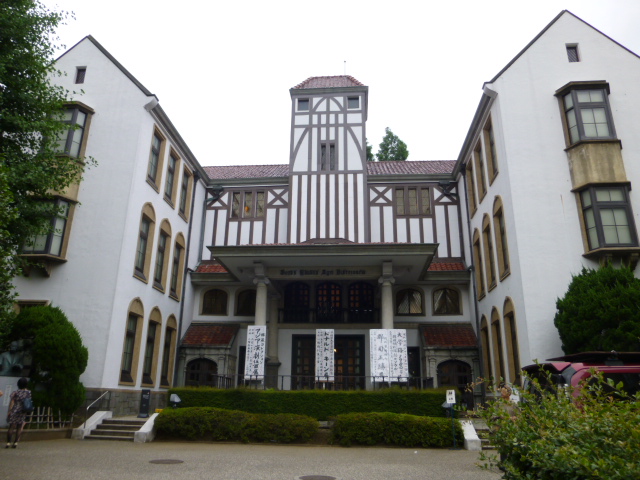
SRA provides a wonderful opportunity for current or past Sylff fellowship recipients to conduct academic research in a foreign country to enhance the quality of their doctoral dissertation. Sixty-two applicants have been awarded grants of up to US$5,000 since the program’s relaunch in 2011.

Short articles submitted by the recipients based on their SRA research can be read here. In addition, selected articles have been posted on the “Voices from the Sylff Community” page and will subsequently be published in a print booklet.

The deadline for the second selection round for fiscal 2013 is January 12, 2014. We look forward to receiving your applications!

  • HOME
  • 投稿者 : ld-sylff

Young Musicians from Vienna Visit Japan

July 22, 2013

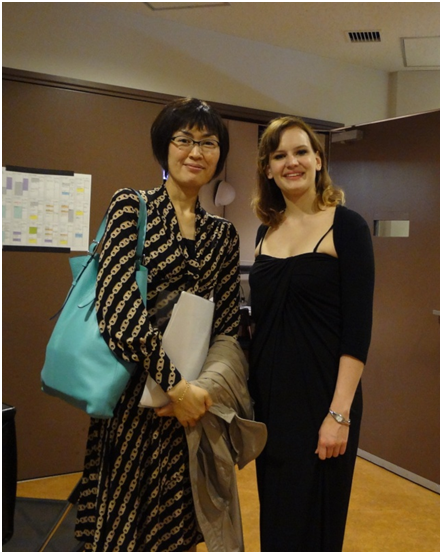
Zulus (right), Sylff fellow and Yamada, program officer of the Tokyo Foundation

Zulus (right) standing with Tokyo Foundation program officer Tomoko Yamada

Sylff fellow Julia Zulus of the University of Music and Performing Arts Vienna made her first visit to Japan as a participant in the June 11, 2013, Rainbow 21 International Suntory Hall Debut Concert featuring outstanding junior musicians. The Rainbow 21 series of concerts is an annual event organized by Suntory Hall for students attending Japan’s top music schools.

With a view to promoting cultural exchange, a leading overseas conservatory is also invited each year. Participating this year was the University of Music and Performing Arts Vienna—a member of the global Sylff community; Zulus, an oboist, performed Beethoven’s “Quintet in E-flat major” (arranged by Mordechai Rechtman for a wind quintet) and contemporary composer Gyorgy Ligeti’s “Six Bagatelles for Wind Quintet” with fellow students in the Webern Wind Quintet.

Leading the group of students from Vienna was Professor Johannes Meissl, a member of the university’s Sylff steering committee. He also served as a mentor for and as a violinist in the Sylff Chamber Music Seminar, sponsored by the Tokyo Foundation in Vienna in April 2013.

“The performance caliber of the students from Vienna was extremely high,” noted one of the organizers at Suntory Hall. “Some already perform with the Vienna Philharmonic and other world-leading orchestras, and I think many of their Japanese counterparts were highly impressed.”

Following the Suntory Hall concert, musicians from Vienna also held a joint concert with students at the Kunitachi College of Music—another Rainbow 21 concert participant—to deepen their exchange.

Support for Tsunami-Affected Musicians

Panzl, assistant professor at the University of Music and Performing Arts Vienna

Panzl is now assistant professor at the University of Music and Performing Arts Vienna

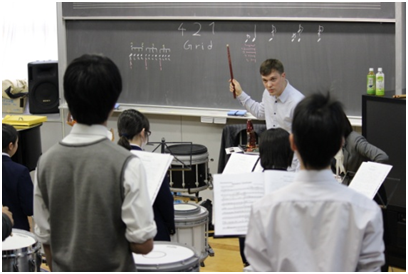
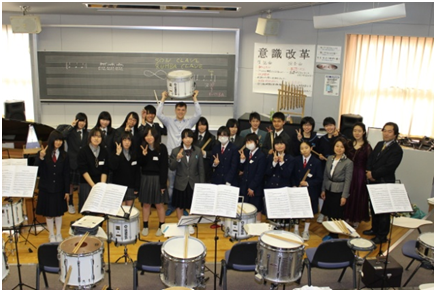
In another Vienna-related news, percussionist and assistant professor David Panzl, who performed as part of the Michinoku Wind Orchestra at Suntory Hall in August 2012, returned to Japan in March 2013 and revisited Tohoku High School to lead a workshop for student musicians. The Michinoku project was a week of workshops and concerts aimed at bringing hope and courage to areas devastated by the March 2011 earthquake and tsunami.

His offer to lead a workshop in Tohoku during a trip to Japan this year was conveyed to Noboru Endo, vice-president of the Miyagi Association of Wind Ensembles, who proposed holding a “reconstruction assistance project” under the auspices of the Miyagi Prefecture Instrument Bank. The project attracted 20 percussion students from Tohoku High School and four other nearby secondary schools. An additional 30 observers attended the workshop, including nonpercussion members of the Tohoku High School wind orchestra and officials of the high school and the wind ensemble association.

“I think it’s important to provide support to tsunami-affected areas on an ongoing basis,” Panzl said, “rather than just making a one-time donation. I may not be able to offer much, but I hope to keep doing what I can to be of assistance to the people of the area.”

Participants of the music seminar at Tohoku High School

Participants of the music seminar at Tohoku High School

He also asked after Michinoku Wind Orchestra members who were unable to participate in this year’s workshop, saying “I hope to visit the area again, and I look forward to seeing how everyone’s playing has improved by then!”

Panzl was a graduate student and a part-time lecturer at the University of Music and Performing Arts Vienna during the Michinoku project, but he has since become an assistant professor in recognition of his outstanding teaching record.

  • HOME
  • 投稿者 : ld-sylff