Category Archives: Voices

Building Emotionally Safe and Inclusive Schools in Samburu County, Kenya

February 25, 2026
By 33015

Using an SLI award, Jayne Warwathia Chege (University of Nairobi, 2012–14) organized a project in northern Kenya to strengthen teachers’ ability to integrate social and emotional learning into everyday classroom practice while also addressing the often-overlooked issue of teacher well-being and professional development.

*     *     *

Educating the mind without educating the heart is no education at all.
—Aristotle

In many parts of Kenya, schools operate within difficult social, cultural, and environmental conditions that strongly influence how learners experience education. Teachers today are expected to do far more than teach academic content. They are expected to guide behavior, instill values, protect learners from harm, respond to emotional distress, and prepare young people to participate responsibly in society. Yet, the support systems available to teachers have not evolved at the same pace as these expectations. In Samburu County, this gap is especially visible.

Teachers in the county face the dual responsibility of implementing the competency-based education (CBE) curriculum while responding to ongoing challenges such as tribal conflicts, learner emotional distress, school-related gender-based violence (SRGBV), harmful cultural practices, environmental pressures, and limited access to counselling and psychosocial services. Many schools serve communities affected by poverty, insecurity, and long-standing social norms that place learners—particularly girls—at risk. It was within this context that the Social and Emotional Learning (SEL) Training of Trainers initiative was developed and implemented.

Funded by a Sylff Leadership Initiatives (SLI) grant and implemented by the community-based organization Persons of Influence, the project aimed to strengthen teachers’ ability to integrate social and emotional learning into everyday classroom practice while also addressing the often-overlooked issue of teacher well-being.  

SEL aligns closely with the goals of CBE by supporting values education, emotional awareness, communication skills, ethical decision-making, and responsible citizenship. However, early engagement with teachers and education stakeholders revealed a major concern: while teachers understood the importance of learner well-being, very few had received structured opportunities to update their skills, reflect on their practice, or learn how to respond to the growing emotional and social needs in their classrooms.

The author leading a session on self-awareness.

For many teachers, professional development opportunities are limited and narrowly focused on syllabus coverage and examinations. Training on mental health, emotional well-being, child protection, or trauma-informed teaching is rare. Yet, teachers regularly encounter learners dealing with grief, neglect, violence, early marriage, poverty, and emotional withdrawal. In the absence of structured support and clear guidance, teachers often rely on personal judgment and experience, carrying the emotional weight of these challenges largely on their own.

Over time, this accumulation leads to fatigue, frustration, and burnout. The SEL Training of Trainers initiative responded directly to this reality by placing teacher well-being at the center of the conversation, guided by a simple but powerful reminder that ran throughout the program: you cannot pour from an empty vessel.

Interactive and Reflective Approaches

The project began with a stakeholder engagement forum that brought together teachers, curriculum support officers, Ministry of Education officials, and civil society partners. The forum underscored the need for integrating SEL into schools, but it also revealed serious gaps. Participants spoke openly about the prevalence of SRGBV, the difficulty of identifying learners with mental health challenges or learning disabilities, and the absence of clear referral pathways to health and social services. These discussions made one point clear: schools are being asked to manage problems that go far beyond the classroom, often without the tools, authority, or institutional backing to do so effectively.

Using insights from this engagement, a team of trainers developed a five-day SEL Training of Trainers program that focused on practical application rather than theory alone. Specialists in child protection, gender-based violence, mental health, and inclusive education were invited to support specific sessions. The training methods were interactive and reflective, using role plays, real-life case discussions, guided journaling, group work, and school-based planning. These approaches allowed teachers to connect the training to their daily experiences and to reflect honestly on their own emotional health and leadership roles.
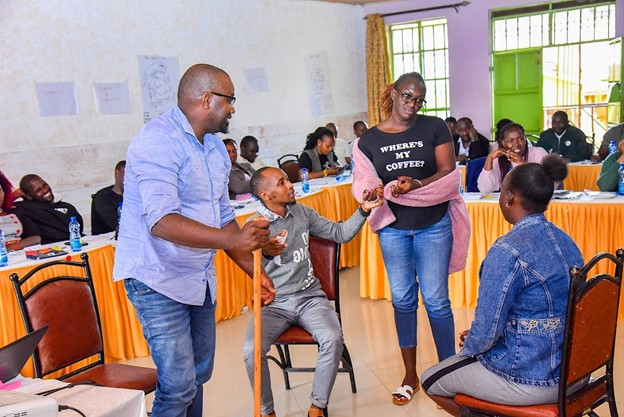
Role play on responsible decision-making.

Baseline assessments conducted at the onset of the training showed clear gaps. Most participants had limited understanding of the core SEL competencies or familiarity with the core values of the competency-based curriculum. Confidence levels were low when it came to recognizing emotional distress, responding to sensitive cases, or navigating referral systems. Many teachers also acknowledged that they struggled to manage their own stress, despite being expected to remain calm, patient, and supportive in difficult situations.

At the same time, teachers expressed a strong willingness to learn. Attitudes toward SEL were positive, and participants showed openness to new ways of thinking about teaching and learning. By the end of the training, post-assessment results showed clear improvement. Teachers demonstrated a better understanding of SEL concepts, greater confidence in facilitating discussions about emotions and behavior, and stronger ability to integrate SEL into lesson planning and classroom routines. Awareness of referral pathways for mental health concerns and SRGBV cases also improved, enabling teachers to respond more responsibly and ethically.

The project placed strong emphasis on continuity beyond the training itself. Each participating school developed a simple SEL action plan outlining activities, responsibilities, and timelines. Teachers committed to embedding SEL into lessons, assemblies, clubs, and everyday interactions with learners. A community of practice was also formed through a shared WhatsApp group, allowing participants to share experiences, ask questions, and support one another. This peer network helped reinforce the idea that change in schools is sustained through shared responsibility rather than individual effort.

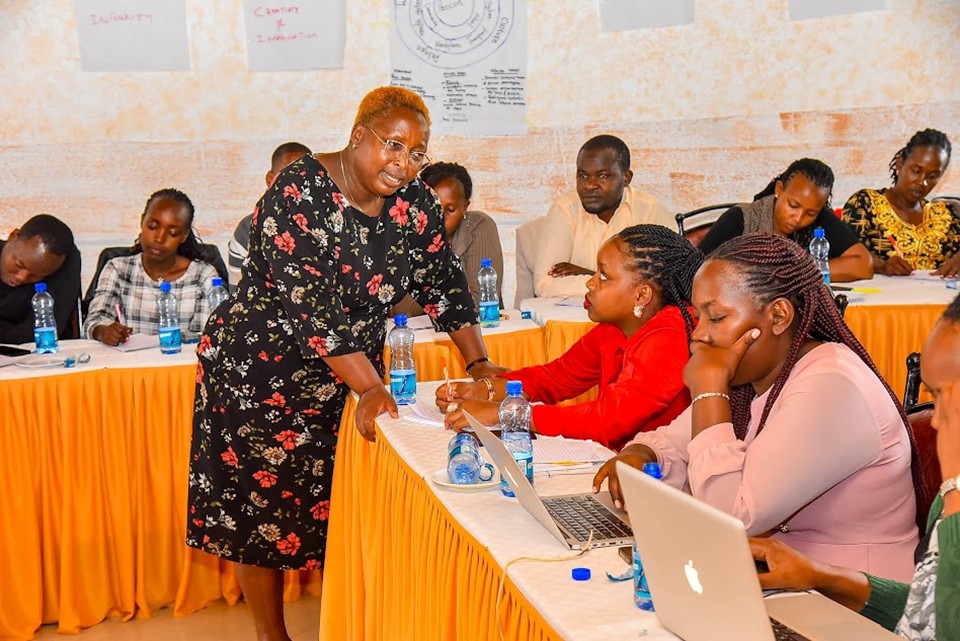
Ms. Mirriam facilitating a session on self-management.

Equipping Teachers to Create Supportive Spaces

A few challenges were encountered during implementation. Limited resources, higher-than-expected attendance, and environmental conditions such as prolonged drought affected some planned activities, including school greening initiatives. At the school level, weak enforcement of child protection and SRGBV policies, combined with limited access to counselling services, made immediate application difficult in some cases. These challenges highlighted the limits of short-term training and the need for stronger institutional support and follow-up.

Despite these constraints, the project demonstrated the value of investing in teachers as whole people, not just curriculum implementers. When teachers are given space to learn, reflect, and receive support, they are better equipped to guide learners through difficult emotional and social realities. More importantly, they are better placed to model integrity, empathy, and responsible behavior.

After all, CBE was not modeled on examination results; it was meant to shape young people who can think critically, relate respectfully to others, make ethical choices, and participate meaningfully in their communities. The SEL Training of Trainers initiative demonstrated that when teacher well-being is prioritized and teachers are given opportunities to retool, schools become safer, more supportive spaces. In contexts like Samburu County, where social challenges and education are deeply intertwined, such approaches are essential for raising engaged, empowered, and ethical citizens as envisaged by CBE.

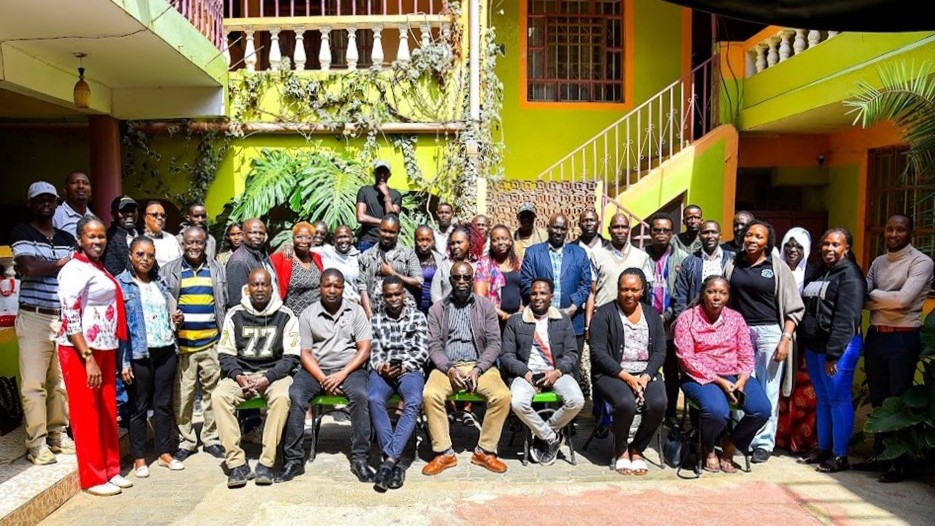
Group photo of participants in the SEL Training of Trainers program.

Legian at Night: Reflections on Luxury Tourism and Local Life in Bali, Indonesia

February 25, 2026
By 29430

In a preliminary report on his SRG study into Bali’s luxury tourism, A. Faidlal Rahman (Gadjah Mada University, 2008–09) offers his personal thoughts on how upscale visitor experiences rely on the labor, lives, and adaptability of the local community.

*     *     *

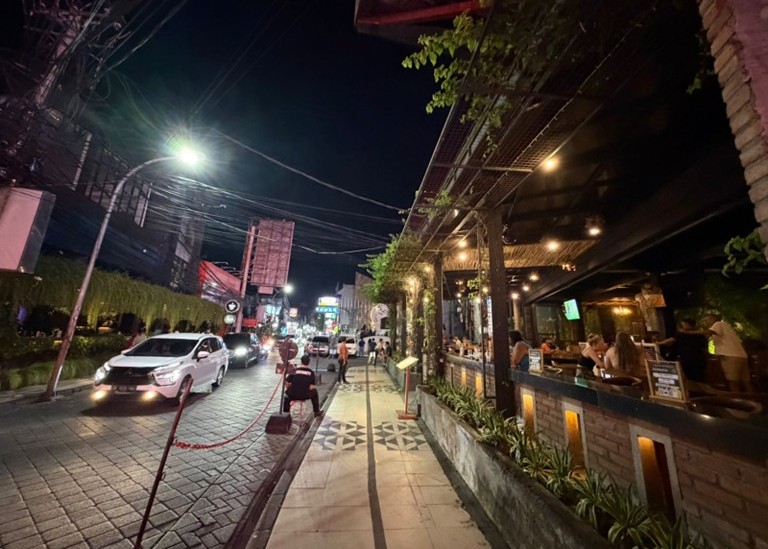
My current research into “Luxury Experience, Empowerment, and Their Impact on Tourist Satisfaction” did not begin with data or theory. It began with night-time walks through the streets of Legian—a vibrant, beachfront district in southern Bali.

As night falls, Legian comes alive. Neon lights flicker on, music spills from bars and cafés, and the sidewalks fill with people speaking different languages. For many visitors, Legian is a place to be free, have fun, and enjoy the nightlife.

But as a Sylff fellow who has stayed in many of Bali's fancy hotels, I see Legian a little differently. This area shows how luxury tourism, urban development, and local life are interconnected, even amid the crowds and noise.

As I walk down Legian's main street, music is everywhere—some quickly fading away and others loud enough to shake the pavement. Small bars with live bands sit next to older buildings and longstanding local shops. Tourism workers stand in front of restaurants and attractions, serving food, guiding guests, or just watching the night unfold.

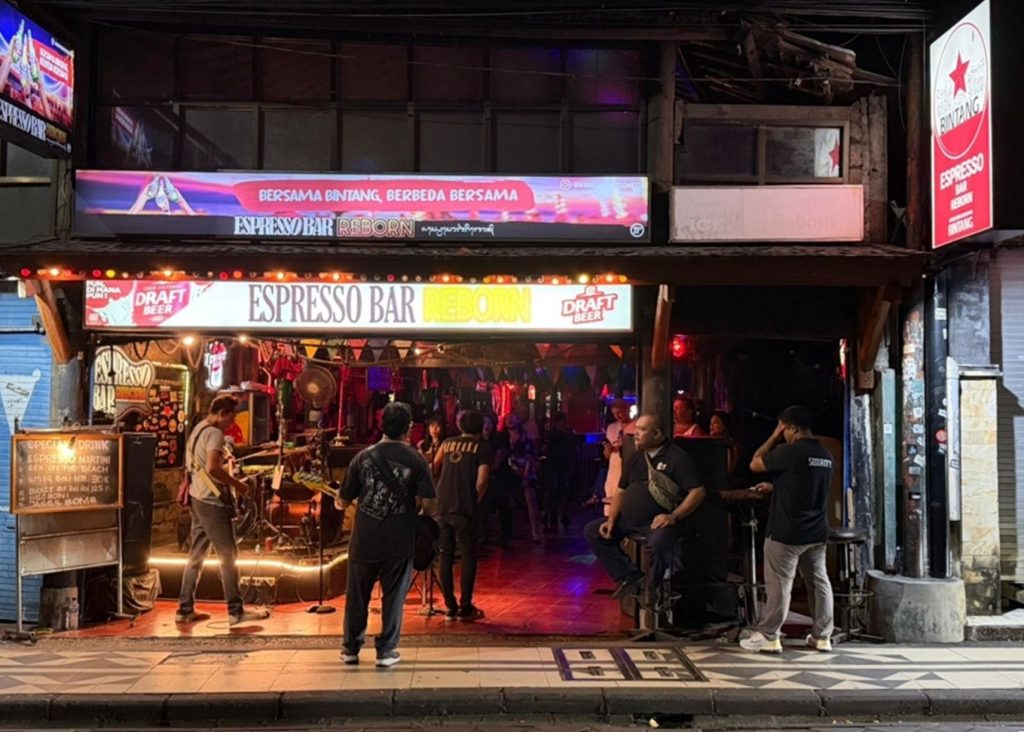
Live music fills the streets of night-time Legian.

Many electrical wires crisscross above the street—a reminder of how quickly this neighborhood has grown, often outpacing institutional planning. Legian’s layout is imperfect and improvised, shaped by flexibility, compromise, and the routines of daily life.

This field experience is important to me on a personal level. My interests go beyond just academic work. I can see how upscale travel is planned and managed by watching how luxury hotels operate. But Legian prompts a deeper question: who sustains this luxury?

Legian as a Place to Learn

The atmosphere inside Legian’s fancy hotels feels calm and controlled. Service follows international standards. Building design takes into account local traditions. Each guest gets personalized attention, and a sense of orderliness reinforces the feeling of richness.

But as soon as I step outside the hotel grounds, the mood changes. Big tourism businesses operate alongside local shops, informal vendors, and local residents. Life is busier, more fluid, and more interactive outside the hotel walls. It becomes clear that luxury tourism never exists in isolation.

Many hotel workers I met lived in Legian. During the day, they work in highly professional, polished hospitality environments. At night, they return to neighborhoods that have been heavily shaped by tourism. For them, the nightlife in Legian is not entertainment—it is a part of daily life.

Even though my time in Legian was limited, I was able to see how local life and international tourism interact. The people working behind the scenes—hotel staff, suppliers, small business owners, long-established shopkeepers, and informal transport drivers—are the ones responsible for making guests feel like they are in luxury. Their labor is the reason why tourism works.

The unhurried atmosphere of Legian’s nightlife.

This experience has changed how I approach the study of tourism. Thanks to my SRG award, I was able to slow down, hear more stories, and spend more time in the field. I learned that finding quick fixes do not always lead to the best solutions; understanding a place comes from small, everyday moments, such as short conversations with employees heading home late at night, watching how the street changes from hour to hour, or noticing the contrast between the quiet of hotels and the noise of the streets outside.

This experience also made me think about the social responsibility of researchers in the global academic community. The support I received from Sylff was not only a personal benefit but also reminded me that knowledge should ultimately contribute to society. Legian makes this clear. Tourism is more than just an industry; it also involves people, jobs, homes, and the environment.

What I saw in Legian can be found in tourist destinations all over the world. Global competition and rapid growth often put a strain on local life and identity. These challenges are not unique to Bali—they are part of a larger global tension between luxury tourism, sustainability, and community well-being.

Legian taught me that tourism is not simply about visitor numbers or revenue. It is about who benefits, who has to adapt, and who bears the consequences. The crowded sidewalks, late-night businesses, and multitasking employees are reminders that tourism is much more complicated than it looks.

Every night that I walked through Legian, I saw how global issues like sustainability and the search for authenticity play out in the details of everyday life. For people who live and work in tourist areas, these are not abstract concepts but everyday realities.

For me, Legian has become a place to learn. I now understand that tourism is a constantly evolving social phenomenon—not just an industry or a visitor’s experience but a space where people, values, and global responsibilities intersect.

Harmony across Cultures: A Music and Arts Festival in the Suburbs of Paris

January 26, 2026
By 33110

Pianist Florent Ling (Conservatoire national supérieur de musique et de danse de Paris, 2024–26) co-organized a festival of classical music and the arts, bringing free concerts, workshops, and community programs to a culturally diverse district of suburban Paris—proving that cultural inclusion can inspire lasting engagement and creativity.

*     *     *

I am Florent Ling, a classical pianist raised in the suburbs of Paris and trained at some of the world’s leading music universities. As a French citizen of Asian descent, born in a neighborhood where access to classical music and other art forms often considered elitist was limited, I decided early on to make their democratization and transmission a major focus of my work. My upbringing instilled in me the conviction that access to culture can profoundly shape a young person’s sense of belonging, aspiration, and self-expression.

While the neighborhoods where I grew up are known for their cultural diversity, classical music continues to be perceived as elitist, distant, or irrelevant to daily life. This perception perpetuates a cycle of exclusion in which children and families from underrepresented or working-class backgrounds have limited opportunities to encounter the arts in empowering and inclusive ways. These are the reasons why I felt a personal responsibility to address this gap by creating a festival that would bring classical and multidisciplinary artistic experiences directly to the communities that shaped me.

With this vision, the project Sido & Co: Harmonies Croisées was conceived as a multicultural, interdisciplinary festival combining high-quality performances, educational workshops, and community-rooted initiatives. The name “Sido” was inspired by the two music notes si and do, while “& Co” reflects the project’s ambition to open music to other art forms and broader audiences.

Supported by Sylff Leadership Initiatives, the project evolved over several months of preparation into a four-day festival held from November 6 to 9, connecting the 10th district of Paris with its surrounding suburban areas for this inaugural edition. In co-direction with Camille Théveneau—whose experience in local cultural policy enriched the project’s reach—we were able to bridge institutional, geographical, and symbolic distances between Paris and its suburbs, which was an essential aspect of the festival’s mission.

An evening of “Cordes en Cœur” at the 10th district city hall, November 7, 2025.

The opening event marked an important milestone in this effort. Thanks to strong support from the municipality of the 10th district, we were able to host our main concert in the prestigious city hall, offering completely free admission. The program featured six classical musicians, all from suburban and culturally diverse areas. The event was an overwhelming success, drawing over 200 attendees, including families and children from the suburbs who were personally invited through schools and community partners, such as the Conservatoire de Malakoff, where I currently teach. The atmosphere was both celebratory and intimate, demonstrating that when artistic excellence is made accessible, new audiences respond with great enthusiasm and curiosity.

Around this central event, we developed a series of socially engaged activities that embodied the festival’s multidisciplinary and inclusive philosophy. Perhaps the most meaningful was Prolégomènes Dumky, a music-theater show for children built around Dvořák’s “Dumky” Trio. Featuring three professional musicians who themselves grew up in suburban environments, the show humorously and tenderly portrayed the behind-the-scenes process of chamber music rehearsals, from negotiations and challenges to the moments of inspiration that shape artistic collaboration. Because the piece demystifies classical music while honoring the lived experiences of the performers, it resonated powerfully with schoolchildren.

A packed house of enthusiastic young listeners attended the music-theater performance of Prolégomènes Dumky.

Thanks to our close collaboration with local elementary schools, we were able to welcome four different classes to this event, totaling over 100 children across the two performances. One of the highlights of these sessions was the post-show interaction between the young audience and the musicians. Children asked perceptive, often surprising questions—not only about the instruments or the music but also about perseverance, teamwork, and what it means to be an artist. These simple exchanges created a sense of proximity that is rarely offered in traditional concert formats.

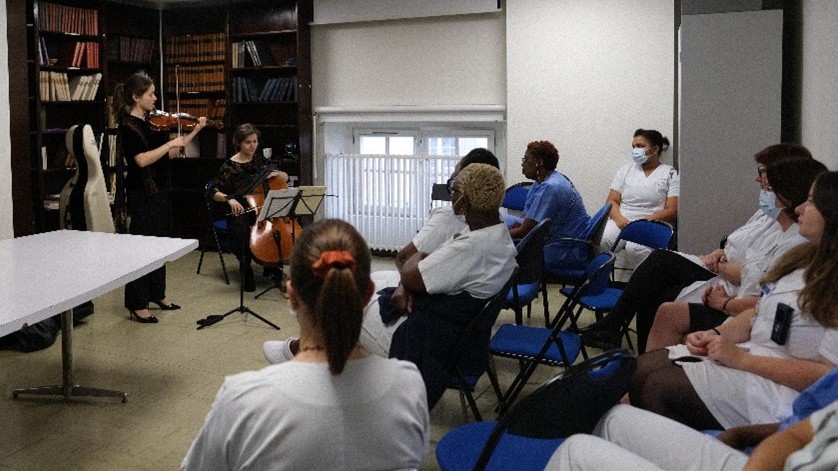
Miniconcerts featuring Duo Théveneau were presented during the festival for healthcare workers at Lariboisière and Saint-Louis Hospitals.

Another key component of the Sido & Co Festival was the project’s engagement with local hospitals, further advancing our commitment to accessibility. Inspired by the belief that artistic experiences can offer comfort and human connection in challenging environments, we organized performances in two hospitals. A pair of musicians visited Hôpital Saint-Louis and Hôpital Lariboisière to present short musical programs for patients, families, and medical staff. These moments of pause, beauty, and shared presence were warmly received by both institutions, which quickly expressed a desire to renew the collaboration in the future. Bringing music into healthcare settings reaffirmed our conviction that the arts can serve as a vital form of social care, especially for individuals who cannot easily access cultural events.

The festival also featured two multidisciplinary evening events in a contemporary art gallery: “Raices,” a concert blending folk and classical music performed by two musicians of Hispanic descent, and L’Histoire du Soldat, an epic tale combining music and theater. These events attracted a remarkably diverse audience: regular gallery visitors, artists, long-time residents from nearby neighborhoods, and new suburban participants who had learned about the festival through earlier events. These enriching encounters illustrated one of our festival’s core intentions: to create shared spaces where people from different backgrounds feel equally invited and represented.

Behind the scenes, the festival was also shaped by the long-term “Résonances Personnelles” workshop, which took place over the preceding months at the suburban Conservatoire de Malakoff. Working with local teenagers, we explored how personal histories, musical influences, and spoken narratives can intersect to create new forms of artistic expression. This workshop was essential not only for artistic reasons but also because it offered young people an opportunity to take ownership of the project and see their creativity valued. By inviting them to all festival events as part of the workshop and enabling exchange with different artists, we were able to broaden their artistic perspectives.

The “Raíces” concert for voice and clavichord.

By the end of the four days, the festival had welcomed nearly 400 participants across all events, including more than 100 children. Beyond the numbers, the most meaningful outcomes lay in the strengthened relationships among artists, cultural institutions, municipal partners, and schools that collaborated in this first edition. Teachers reported that their students continued discussing the performances days after attending; hospital staff shared that the musical sessions had lifted the spirits of patients and medical staff alike; and many first-time audience members expressed their desire to return for future programs.

Perhaps the most encouraging sign of the project’s long-term impact is this clear demand we received for continuity. Multiple partners, including schools, hospitals, gallery spaces, and municipalities, have already requested opportunities to collaborate again. The festival demonstrated that when artistic experiences are brought directly to communities and shaped with their realities in mind, they generate lasting enthusiasm and engagement.

Ultimately, Sido & Co: Harmonies Croisées has established a replicable model for community-based artistic events that can be strengthened and expanded in future editions across both urban and suburban contexts. The project reaffirmed the transformative potential of culturally inclusive artistic practices and reminded us of our responsibility as artists and educators to make the arts accessible, empowering, and reflective of the diversity of the communities we serve.

Survey Research Sustainability at Risk from Interviewer Supply-Demand Imbalance

January 22, 2026
By 31317

The growing demand for high-quality survey data and the shrinking supply of qualified interviewers are creating a bottleneck that threatens the reliability, cost-effectiveness, and sustainability of survey operations, caution Blanka Szeitl (Hungarian Academy of Sciences, 2023) and co-authors Gergely Horzsa and Anna Kovács.

Gap between Standardization and Practice

In Hungary, large numbers of surveys are conducted each year. The Hungarian Central Statistical Office (KSH) alone collects around 1.2 million questionnaires annually (KSH 2021), and when market and political polls are included, the total likely exceeds 3 million (Szeitl 2024). This magnitude highlights the importance of survey research and the need to examine its quality. This study focuses on a specific aspect of survey quality: the effect of those collecting the responses, that is, the interviewers.

Survey research is built on the idea that interviews can be standardized so that all respondents are asked the same questions under the same conditions, producing data that reflect real attitudes rather than interaction effects. For decades, this has been treated as a gold standard in survey methodology. Methodological literature emphasizes scripted wording, neutral tone, consistent behavior, and minimal deviation from protocol as key factors in reducing error (Cannell and Kahn 1968; Groves et al. 2009).

However, research has also shown that interviews are inherently social interactions in which meaning is co-constructed by interviewer and respondent. More recent papers recognize interviewers as social actors whose behavior is shaped by training, labor conditions, organizational environments, and the challenges of obtaining cooperation in an era of declining trust (West and Olson 2017).

Despite this, most empirical work on interviewer effects remains quantitative, focusing on measurable outcomes such as nonresponse patterns, response distributions, or measurement error, while qualitative insights into how interviewers understand their roles and manage difficulties remain limited. Interviewers work in complex social environments, deal with distrust and emotional strain, and respond to organizational pressures that rigid standardization cannot fully anticipate. Therefore, deviations from standardization may not exclusively be “errors” but also strategies that make data collection possible.

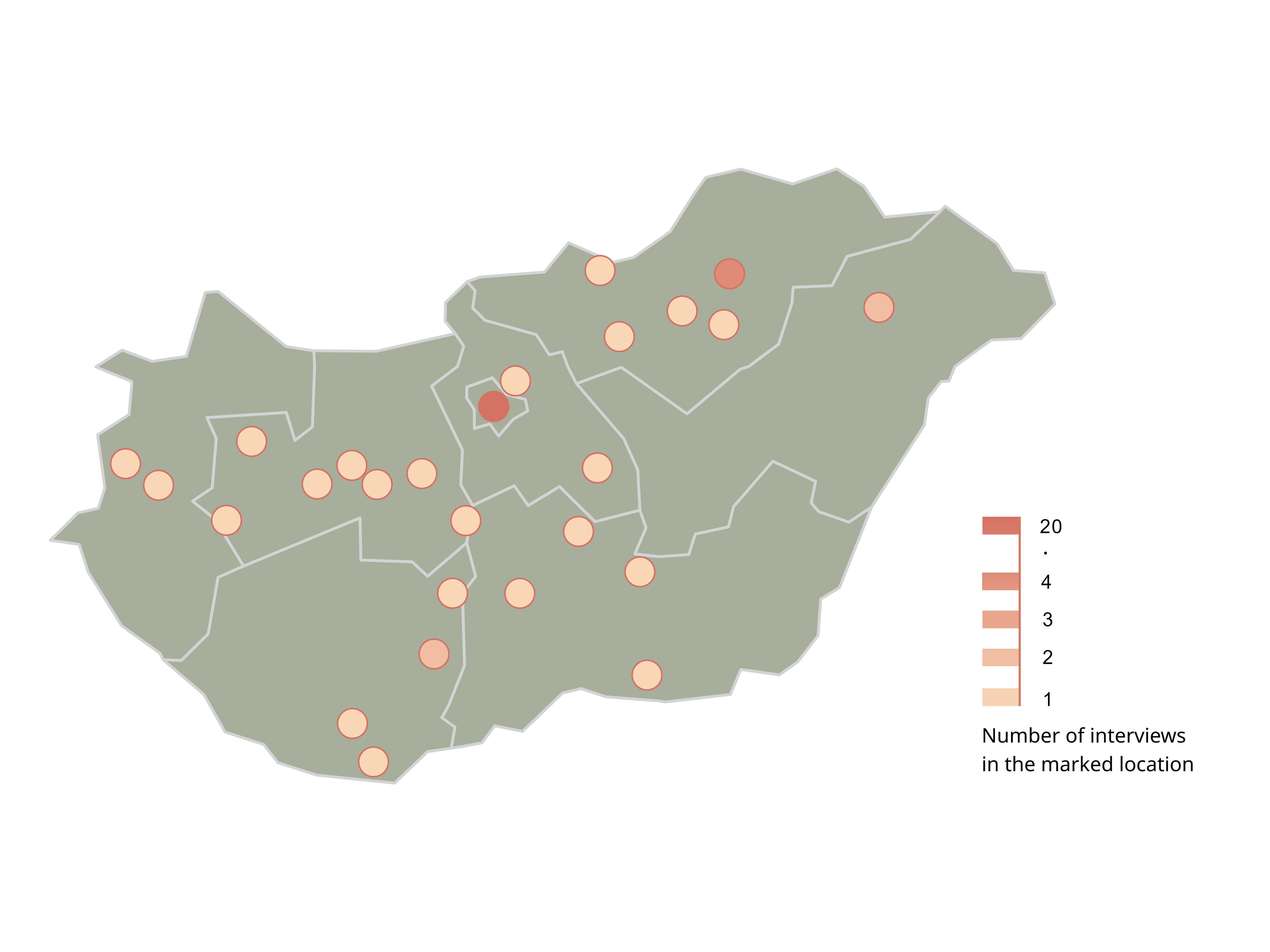
Based on 50 semi-structured interviews with survey interviewers and fieldwork instructors in Hungary (Figure 1), my SRG study explored these dynamics from the perspective of the interviewers who directly shape the interaction between research and the public. Rather than judging interviewers against methodological ideals, the research focused on how they conduct interviews and how their adaptations affect data quality.

Figure 1. Interview Locations during the SRG Study

Source: Created by the authors.

Interviewers in a Shifting Labor Environment

Most interviewers entered the field because it offered autonomy, flexible hours, and supplementary income.

By then, the child was already getting quite big, and I had less to do. And my husband is extremely independent, so I didnt have to look after him. I had time, and sewing, handicrafts, and things like that didnt tie me down. Thats how I got into it. [survey interviewer]

Very few younger people enter the field today, with interviewers describing the profession as one that “only older people do now.” Some attribute this to generational differences in motivation, while others point to the declining appeal and worsening conditions of fieldwork.

An image of an older female interviewer collecting data for a survey. Source: Freepik.

Most interviewers work on freelance or zero-base-rate contracts, receiving payment only after projects are completed and approved by clients. Several recalled waiting three to nine months for payment, with no formal guarantee of compensation. Payment for this work has also fallen markedly since the 1980s.

So we left him the radio log in paper form, whether he wrote down what he listened to on the radio correctly or incorrectly, we went, collected it, and in 1985 we got 100 forints for it. Then I went . . .  and bought some cakes for the family, took them home, and we happily stuffed ourselves with income from one radio log, right? Today, people get 1,200 forints [3 euros] or 1,500 forints [4 euros] for one questionnaire, which is in fact the price of just a slice of cake, right? Im just saying that if we compare it that way. [survey interviewer]

Interviewers also reported unpredictable workloads. Assignments arrive with little notice, deadlines are tight, and the amount of work varies from month to month. At the same time, the broader survey environment has become characterized by low trust. Respondents, increasingly skeptical of unknown organizations and wary of sharing personal information, are more likely to refuse participation. Interviewers also perceive a growing mistrust from research organizations and clients, expressed through GPS tracking, audio monitoring, and detailed scrutiny of their behavior. These forms of surveillance were described not only as stressful but as a sign that interviewers are assumed to be untrustworthy until proven otherwise.

Yet, interviewers are expected to perform complex emotional labor, like managing rejection, navigating suspicion, calming anxious respondents, and persisting in the face of hostility or indifference. This emotional labor remains largely unrecognized and unsupported within research organizations.

Many people [new survey interviewers] ran away from me screaming because they said it was a job that would destroy your nerves, your soul, everything. [survey field instructor]

Interviewers also face numerous practical obstacles. Sampling files frequently contain outdated or incorrect addresses, forcing interviewers to spend hours searching for households that no longer exist or have long since moved. Poorly designed questionnaires—lengthy, repetitive, or written in unclear language—exacerbate the frustration of respondents.

You leave in the morning, and you dont know what youre going to do, whether youll need ten days, or one, or two. [survey interviewer]

These structural issues place interviewers under constant time pressure, pushing them to find ways to navigate the demands of fieldwork while still producing usable data. The interviews reveal that this navigation often involves informal practices that deviate from strict standardization.

Adaptive Strategies for Securing Cooperation

Interviewers routinely adjust, soften, or reinterpret standardized procedures to build rapport, sustain cooperation, and complete their assignments. One major theme is the restoration of the human element of the interaction. Interviewers emphasize patience, empathy, and interpersonal warmth as essential tools for overcoming suspicion. Many describe the early moments of contact as a kind of emotional negotiation. Through small gestures of understanding, they work to shift the interaction from a defensive posture to one of openness.

An image of a survey respondent by the gate of his house. Source: Freepik.

Another strategy involves making selective decisions about where and when to conduct interviews. Interviewers often avoid neighborhoods they perceive as hostile or unsafe, instead prioritizing areas where they expect cooperation to be higher. While these choices improve efficiency, they also carry implications for sample representativeness.

Interviewers also describe numerous ways of managing questionnaire length. Some shorten interviews by summarizing or selectively skipping redundant or confusing items. Others take quick notes during the interaction and complete data entry of the full answers later at home. These adjustments enable interviews to proceed in a reasonable time frame, particularly with tired or hesitant respondents.

Personalization is also widespread. Interviewers frequently rephrase questions, offer clarifications, or gently guide respondents toward appropriate categories when questions are complex. Far from seeing these practices as violations of protocol, interviewers view them as essential for respondent cooperation.

Implications for Survey Research

Taken together, these findings reveal a fundamental tension between the ideal of standardized interviewing and the realities of fieldwork. Deviations are not random errors but practical responses to time pressure, mistrust, and limited organizational support. Some strategies improve respondent understanding and reduce refusals, while others risk introducing bias. Shifting the focus from standardizing interactions to standardizing outputs, such as coding, documentation, and reporting of deviations, could help preserve data quality while allowing interviewers the flexibility needed in the field. Achieving this requires investment in training, fair compensation, and supportive organizational structures.

The current landscape of survey data collection can be conceptualized as an inverted pyramid (Figure 2), reflecting the increasing structural imbalance within the field. At the top are the researchers, representing a relatively large and growing group of professionals who design studies, interpret data, and set methodological standards. Below them are the research companies, whose role is to manage projects, coordinate fieldwork, and ensure quality control. Further down are the survey agencies, which are responsible for the operational aspects like recruitment, scheduling, and supervision of interviewers.

At the very bottom of the inverted pyramid are the survey interviewers: the group that is, paradoxically, both the smallest in number and the most crucial for the execution of survey research. Despite being the backbone of high-quality empirical data collection, their availability has been declining rapidly. This shrinking base creates a structural vulnerability: the entire system depends on a diminishing pool of fieldworkers, whose work conditions, motivation, and professional support have deteriorated in recent years. The imbalance between the expanding demand for high-quality data and the contracting supply of qualified interviewers results in a bottleneck that threatens the reliability, cost-effectiveness, and timeliness of survey operations.

Figure 2. Survey Research Pyramid

Source: Created by the authors.

The inverted pyramid thus illustrates a systemic tension: while academic and commercial expectations toward survey quality and methodological rigor continue to rise, the human infrastructure required to deliver these standards is weakening. This structural mismatch poses one of the most significant contemporary challenges for the sustainability of survey research.

The results of this study are presented in detail in two manuscripts. One focuses on the local history, formation, and development of the interviewer network (in Hungarian; current version available here), while the other examines how the factors influencing survey quality can be grouped (current version available here).

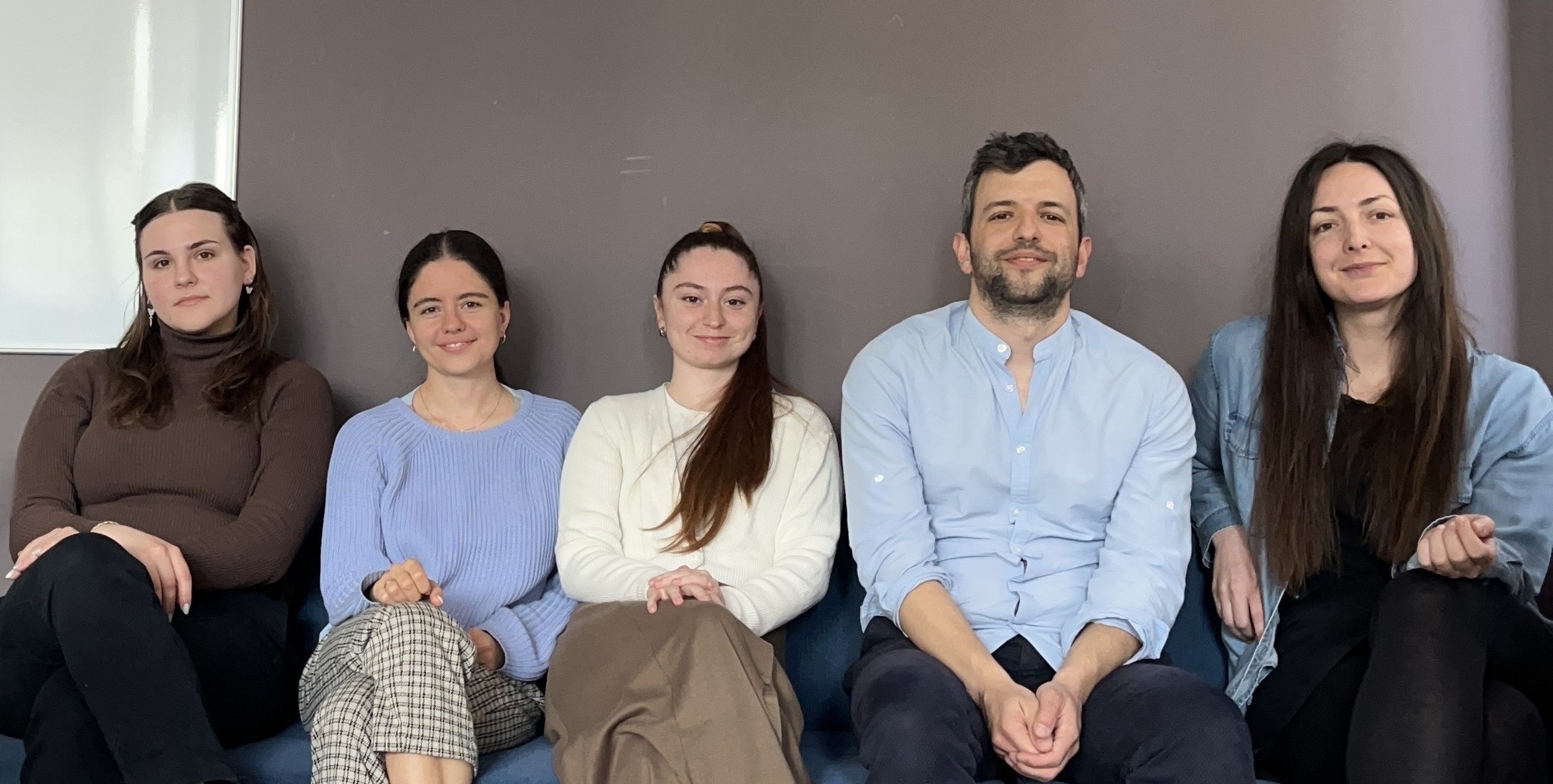
Blanka Szeitl, far right, with members of her research group.

Read about the research group

Read more about the interview details

References

Cannell, Charles F., and Robert L. Kahn. 1968. “Interviewing.” In The Handbook of Social Psychology, edited by Gardner Lindzey and Elliot Aronson, 526–95. Vol. 2. Reading, MA: Addison-Wesley.

Groves, Robert M., Floyd J. Fowler, Mick P. Couper, James M. Lepkowski, Eleanor Singer, and Roger Tourangeau. 2009. Survey Methodology. 2nd ed. Hoboken, NJ: Wiley.

Hungarian Central Statistical Office (KSH). 2021. Activities of the Hungarian Central Statistical Office, 2020–2021. Technical report. Budapest: Hungarian Central Statistical Office.

Szeitl, Blanka. 2024. Surveying the Human Population: Errors and Their Corrections. PhD diss., University of Szeged.

West, Brady T., and Kristen Olson. 2017. “Interviewer Effects in Survey Data.” In The Palgrave Handbook of Survey Research, edited by David L. Vannette and Jon A. Krosnick, 329–47. New York: Palgrave Macmillan.

Service Learning as an Innovative Pedagogy in Indonesian Higher Education

January 19, 2026
By 32013

SRG 2024–supported research led by Obby Taufik Hidayat (Universiti Malaya, 2023) examined the first pillar of the Golden Indonesia 2045 vision, proposing the adoption of service learning as an innovative pedagogy to strengthen students’ knowledge, skills, and character.

*     *     *

Education is widely recognized as a fundamental factor in developing well-rounded individuals. Indonesia’s aspiration to become a leading nation across various sectors by the centennial of its independence in 2045—as outlined in its Golden Indonesia 2045 vision—rests on equipping individuals to tackle diverse challenges. According to economic data from the Ministry of Education and Culture, Indonesia is projected to benefit from a demographic bonus, providing an ample source of human capital for development. Between 2030 and 2045, approximately 70% of the population is expected to be of productive age (15–64) (Irfani et al. 2021). Educational transformation will thus be essential for developing intelligent and principled citizens to achieve the vision’s goals.

In 2020, the ministry introduced the Merdeka Belajar Kampus Merdeka (MBKM), or Freedom of Learning and Independent Campus, policy, which emphasizes experiential learning. One program that operationalizes this aspect of MBKM is Kuliah Kerja Nyata (KKN), or the Community Service Program. While KKN has often been identified as a service-learning initiative, its current implementation at Indonesian universities does not adequately incorporate the essential components of service learning, instead primarily emphasizing community service or volunteerism and often lacking integration with university courses or curricula (Hidayat and Balakrishnan, 2024). There has thus been reduced emphasis on student learning outcomes.

In contrast, service learning aims to enhance students’ mastery and understanding of theoretical knowledge acquired in the classroom by providing hands-on experience in community service projects and fostering meaningful reflection on these experiences. Strengthening the connection between academic content and community engagement can ensure that student learning is not only maintained but also enriched through service initiatives (Salam et al. 2019). Accordingly, this study aims to improve KKN by integrating service-learning principles to develop value-based graduates in a diverse environment.

A qualitative multiple-case study design was employed to explore the application of service learning within the KKN program. Data collection involved semi-structured interviews, observations, and document reviews involving two KKN groups: one following the usual approach and the other implementing service-learning elements introduced by the researcher. The researcher then compared the two groups, and the data were analyzed using content analysis and manual thematic analysis.

Semi-structured interviews and observations of participants in this research.

Furthermore, during data collection, given the limited research on service learning in Indonesia and the need to enhance international understanding, the researcher attended the 2024 IARSLCE Asian-Pacific Conference X International Conference on Service-Learning at Hong Kong Polytechnic University (PolyU) as both a presenter and participant in several workshops. This event represented a collaborative initiative among international associations dedicated to advancing service-learning research and promoting community engagement in the Asia Pacific region.

In addition, the workshop shown below was part of the preconference session at the international conference. During this event, the researcher gained new insights into service learning from several international experts in the field. These discussions helped broaden understanding of the philosophy, key elements, and objectives of service learning. They also facilitated comparative analysis of service learning across several countries, yielding new perspectives that have become a crucial part of service-learning research in Indonesian higher education.

The preconference workshop on Setting a Global Research Agenda for Service Learning at PolyU, Hong Kong.

Meaningful Experiences: Findings from Community Projects

Both the lecturer and students in this study reported that service learning, as an experiential approach, strengthens compulsory, community-service-based courses like KKN. Although KKN incorporates hands-on learning, service learning is seen as more structured and effective for integrating experiential learning in community service settings. This observation aligns with Tan and Soo (2020), who assert that academic experiential learning plays a key role in cultivating responsible citizenship. Therefore, service-learning programs are designed to deepen students’ understanding of theoretical concepts introduced in the classroom through practical application.

The findings of this study indicate that a defining characteristic of service learning is its emphasis on experiential learning, which integrates community-service activities with students’ prior classroom knowledge. This aligns with experiential learning theories advanced by several scholars. Dewey (1938) advocated for “learning by experience” and examined the broader role of academic institutions in community development. Kolb (1984) conceptualized experiential learning as a holistic process integrating observation, empowerment, reflection, experience, and action through behavioral development across diverse contexts.

Kolb further defined experiential learning as a process of exploration and engagement that connects prior knowledge with new understanding, encouraging sharing, reflection, and cognitive processing. In the context of service learning in Indonesia (see figure below), learning is more effectively sustained through conceptual and process-oriented approaches, which sharpen critical thinking skills and enhance intrinsic motivation for discovery. Experiences that contribute positively to the learning process are considered valuable.

The characteristics of service learning in the KKN program begin with students identifying societal problems or issues they intend to address. Next, students engage directly and meaningfully with the community. In the third stage of experiential learning, they integrate their personal experiences with the theoretical knowledge acquired in the classroom. This process enables students to generate new knowledge by developing original ideas or concepts, which are then shared to address community challenges. In the final stage, students reflect on their societal experiences through critical and creative thinking. According to Hinchey (2004), students who reflect on their learning experiences become active learners, and those who engage in extensive reflection continue to expand their knowledge. Balakrishnan et al. (2022) noted that increased experiential engagement enhances students’ capacity for reflection, thereby facilitating the development and accumulation of knowledge, values, and skills.

Implications for Pedagogy and Policy

The findings of this study suggest procedures for improving KKN implementation in higher education, which could strengthen its role as a service-learning approach in Indonesia. Service learning encourages students to apply theoretical knowledge, values, and skills within real-world community contexts, thereby supporting and strengthening local communities. The figure below presents an overview of the study’s results and outlines a procedure for implementing service learning in Indonesia. This approach seeks to enhance KKN by transforming it into an innovative pedagogy that positively impacts both students and the community.

Service-learning pedagogy is essential because it provides a structured environment in which students can apply classroom knowledge to real community situations. Through direct engagement, students gain practical experience and insights. Their active participation encourages reflection and empowerment and enhances the learning process. By engaging in reflection, students reconstruct knowledge and deepen their understanding (Balakrishnan et al. 2022). In a multicultural society, such reflection plays a vital role in cultivating individuals who embody the core values of Pancasila—the five principles that form Indonesia’s foundational ideology—an attribute that will be critical for future graduates.

Therefore, it is crucial to recognize and integrate service learning into KKN programs. Specifically, these programs should incorporate hands-on community engagement, reflection activities, and collaborative problem-solving, consistent with the philosophy and principles of service learning. Findings from this study can provide a valuable reference for shaping educational policies in Indonesia. University rectors, deans, and lecturers can use these findings to help design policies that prioritize these elements. Such policies will elevate KKN to international standards of service learning.

Incorporating service learning into KKN programs will help produce graduates with strong academic qualifications who are well-prepared to contribute to a multicultural society. This effort matches the broader goal of transforming higher education and supports the realization of the first pillar of Golden Indonesia 2045: advancing human development and the progress of science and technology.

References

Balakrishnan, Vishalache, Yong Zulina Zubari, and Wendy Mei Tien Yee. 2022. Introduction to Service Learning in Malaysia. Kuala Lumpur: University of Malaya Press.

Dewey, John. 1938. Experience and Education. New York: Kappa Delta Pi.

Hidayat, Obby Taufik, and Vishalache Balakrishnan. 2024. “Service Learning in Higher Education Institution towards Character Education Curriculum: A Systematic Literature Review.” Jurnal Kurikulum & Pengajaran Asia Pasifik 12 (2): 9–21.

Hinchey, Patricia H. 2004. Becoming a Critical Educator: Defining a Classroom Identity, Designing a Critical Pedagogy. Counterpoints Education Series, vol. 224. Peter Lang.

Irfani, Sabit, Dwi Riyanti, Ricky Santoso Muharam, and Suharno. 2021. “Rand Design Generasi Emas 2045: Tantangan Dan Prospek Pendidikan Kewarganegaraan Untuk Kemajuan Indonesia.” Jurnal Penelitian Kebijakan Pendidikan 14 (2): 123–34. https://doi.org/10.24832/jpkp.v14i2.532.

Kolb, David. A. 1984. Experiential Learning: Experience as the Source of Learning and Development. Englewood Cliffs, NJ: Prentice Hall.

Salam, Maimoona, Dayang Nurfatimah Awang Iskandar, Dayang Hanani Abang Ibrahim, and Muhammad Shoaib Farooq. 2019. Service Learning in Higher Education: A Systematic Literature Review. Asia Pacific Education Review 20 (4): 573–93. https://doi.org/10.1007/s12564-019-09580-6.

Tan, Soo Yin and Shi Hui Joy Soo. 2020. “Service-Learning and the Development of Student Teachers in Singapore.” Asia Pacific Journal of Education 40 (2): 263–76. https://doi.org/10.1080/02188791.2019.1671809.

Guatemalan Farmworkers in Canada: Migration, Land Inequality, and Development

December 12, 2025
By 30645

Guatemalan participation in Canada’s Agricultural Stream program has surged nearly 200% since 2016, highlighting migration’s role in rural survival and development. But Chris Little (York University, 2019–21) reports that growing uncertainty over migration pathways is raising questions about sustainability and inequality.

A rural Guatemalan community with high levels of out-migration. Author’s own work.

Guatemalan participation in the Agricultural Stream (AS) of Canada’s Temporary Foreign Worker Program (TFWP) has increased by 194% since 2016, a pace far outstripping the 77% growth in migrant farmworker numbers overall (Statistics Canada 2025).

With almost 20,000 Guatemalan AS participants in 2024, this migration flow is small compared to the huge flow of irregular migrants from Guatemala to the United States but is still a significant component of the 19.1% of Guatemalan GDP made up by remittances in 2024 (World Bank 2025).

Yet in the current hemispheric political context, with migration pathways being called into question and in some cases curtailed, the role of migration in Guatemala’s development may be changing.

Most workers who migrate from Guatemala under the AS are smallholder farmers, or campesinos, in their home communities. In my doctoral dissertation, tentatively titled Finca Logic: Hemispheric Agrarian Change and Guatemalan Migrant Farmworkers in Ontario, I am exploring the relationship between agrarian change and labor migration in the Americas through the case study of the growing population of Guatemalan migrant farmworkers in Ontario greenhouse agriculture.

Drawing on over 100 interviews, I take a labor-centered approach to analyzing the impact of transnational labor migration on the organization of agricultural production at both ends of the migration journey—Ontario and Guatemala.

Interrogating the “Triple Win” Paradigm

Temporary migrant labor programs are often posited to be beneficial to the sending country, the receiving country, and the migrants themselves—so-called circular or “triple win” migration (Rannveig Agunias and Newland 2007; Castles and Ozkul 2014; Wickramasekara 2011).

While there are undoubtedly benefits to all parties engaged in migration—remittances for the migrant, foreign exchange for the sending country, labor for the receiving country—the results of participation for the migrant workers themselves appear to be much more complex and contradictory than this framework might suggest.

My doctoral dissertation research critically interrogates the “triple win” paradigm. It investigates the socioeconomic conditions that shape Guatemalan campesinos’ migration practices and the developmental impacts of participation in the AS, particularly with regard to land distribution. I seek to understand the Guatemalan side of the temporary migration story, which is under-researched compared to the AS and its sister program, the Seasonal Agricultural Worker Program (SAWP) in general, and where much more attention has been paid to the specific experiences of the more longstanding participant nationalities, particularly Mexican and Jamaican.

Through my research, I find that the developmental possibilities for participants in the program are often mixed and frequently severely constrained by the immediacy of day-to-day subsistence needs for workers and their families and the effects of the highly unequal distribution of land in Guatemala.

This situation is compounded by two other factors: the vulnerability of temporary migrant workers to losing access to employment through the program and, in a wider respect, the limited number of spaces relative to demand for the program, even amidst the significant growth in Guatemalan participation and the AS overall.

Often, participants compared their experiences to the nature of irregular migration to the United States, which was generally framed as offering increased possible reward but at much greater possible risk.

The “Land Question”

Guatemalan participants in the AS face deeply unequal land distribution as campesinos in their home country. This “land question” is demonstrated by the fact that just 2.5% of the total number of farms control some 65% of arable land, while another 88% of farms share a mere 16% of arable land (Lopez-Ridaura et al. 2019).

In other words, a huge number of campesinos have access to a remarkably small proportion of arable land, while a small number of large landowners predominate. Unequal land distribution in Guatemala, compounded by extractive projects and the dispossession and repression associated with them (Alonso-Fradejas 2012; 2021; Konforti 2022; Little 2024; Nolin and Russell 2021), is the crux upon which rests a society profoundly unequal in broader economic and political terms as well.

Due to constrained possibilities for rural development and sustainable livelihoods, Guatemalans turn to labor migration as a survival strategy—both through participation in the AS and in the much larger irregular flows to the United States. My doctoral dissertation research historically situates this dynamic, placing the interview data collected within the lineage of campesino labor regimes in Guatemala and the different ways in which the struggle over the means of social reproduction has taken place between campesinos and the ruling class.

In the twentieth century, violent repression of land reform efforts was the basis for the 36-year-long Guatemalan Civil War. Following the peace accords signed in 1996, the land question has remained unresolved and a key area of social conflict and inequality within the country, with the individualized form of land reform pursued through the accords criticized as insufficient to change the dynamics of land distribution in any substantive way (Gauster and Isakson 2007; Granovsky-Larsen 2013; Palma Murga 1997; Short 2008).

Floriculture in a campesino community with high out-migration. Author’s own work.

Fieldwork and Emerging Concerns

The 2024 SRG award enabled me to return to Guatemala in June–July 2025 to follow up on some of the threads that had emerged from my primary round of fieldwork in 2024. I have been able to speak with government representatives, social movement actors, and people from communities that have been impacted by high rates of out-migration. This process involved targeted engagement with participants who could deepen the findings from my first round of fieldwork, which have demonstrated the heterogeneity of experiences for Guatemalan campesino participants in Canada’s TFWP-AS.

In particular, I found that government actors and social movement representatives shared concerns regarding the sustainability of Guatemala’s reliance on migration as a mode for development. These concerns were bolstered by interviews with workers and members of communities with high rates of TFWP-AS participation.

These participants recognized the need to look for alternatives given the uncertainty over migration possibilities in general and the limited availability of places in documented migration programs such as the TFWP-AS.

This underscores the importance of conducting labor-centered research on temporary migration programs, as the heterogeneity of experiences and the impact of remittances could be missed without developing a more granular picture of the community level. I am currently in the process of continuing to review and process the findings from this round of fieldwork and to integrate them in a process of comparison with prior findings. These will allow me to understand the potential developmental impacts of changes or limitations in migration possibilities for Guatemalan campesinos, both with regard to migration to Canada and also to the United States.

The SRG grant has also enabled me to strengthen my working relationship with Guatemalan research assistants, with whom I intend to collaborate on further projects that will follow a participatory research approach. One key aspect of the research—confirmation that workers understand their situations and prospects in ways that outsiders cannot—is the driving force behind my plans for further research beyond the doctoral dissertation that I am currently working on completing.

Toward Food Sovereignty

I returned to Guatemala in late October to visit two organizations working to defend land rights and promote food sovereignty for campesinos. With this experience, I am in the process of developing ideas for dissemination of my dissertation findings in a manner that can inform and support movements toward food sovereignty and providing alternatives to temporary labor migration for campesinos where communities seek such alternatives.

Support from the Sylff Association has been integral to deepening my understanding of the complex and shifting reality of rural life in Guatemala amid temporary migration flows. It will continue to bear fruit as I conclude this portion of my research and utilize it as a foundation for further investigation and action.

References

Alonso-Fradejas, Alberto. 2012. “Land Control-Grabbing in Guatemala: The Political Economy of Contemporary Agrarian Change.” Canadian Journal of Development Studies 33 (4): 509–28. https://doi.org/10.1080/02255189.2012.743455.

Alonso-Fradejas, Alberto. 2021. “Life Purging Agrarian Extractivism in Guatemala: Towards a Renewable but Unlivable Future?” In Agrarian Extractivism in Latin America, edited by Ben M. McKay, Alberto Alonso-Fradejas, and Ezquerro-Cañete. Routledge.

Castles, Stephen, and Derya Ozkul. 2014. “Circular Migration: Triple Win, or a New Label for Temporary Migration?” In Global and Asian Perspectives on International Migration. Springer, Cham. https://doi.org/10.1007/978-3-319-08317-9_2.

Gauster, Susana, and S. Ryan Isakson. 2007. “Eliminating Market Distortions, Perpetuating Rural Inequality: An Evaluation of Market-Assisted Land Reform in Guatemala.” Third World Quarterly 28 (8): 1519–36. https://doi.org/10.1080/01436590701637375.

Granovsky-Larsen, Simon. 2013. “Between the Bullet and the Bank: Agrarian Conflict and Access to Land in Neoliberal Guatemala.” The Journal of Peasant Studies 40 (2): 325–50. https://doi.org/10.1080/03066150.2013.777044.

Konforti, Lazar. 2022. “‘Nosotros No Comemos Caña’: Defence of Territory and Agrarian Change in the Polochic Valley, Guatemala.” Thesis, University of Toronto. https://tspace.library.utoronto.ca/handle/1807/125620.

Little, Chris. 2024. “The Extraction of Migrant Labor-Power.” In The Labor of Extraction in Latin America, edited by Kristin Ciupa and Jeffery R. Webber. Latin American Perspectives in the Classroom. Rowman & Littlefield.

Lopez-Ridaura, Santiago, Luis Barba-Escoto, Cristian Reyna, Jon Hellin, Bruno Gerard, and Mark van Wijk. 2019. “Food Security and Agriculture in the Western Highlands of Guatemala.” Food Security 11 (4): 817–33. https://doi.org/10.1007/s12571-019- 00940-z.

Nolin, Catherine, and Grahame Russell. 2021. Testimonio: Canadian Mining in the Aftermath of Genocides in Guatemala. Between the Lines.

Palma Murga, Gustavo. 1997. “Promised the Earth: Agrarian Reform in the Socio­Economic Agreement.” In Negotiating Rights: The Guatemalan Peace Process. Accord 2. Conciliation Resources.

Rannveig Agunias, Dovelyn, and Kathleen Newland. 2007. Circular Migration and Development: Trends, Policy Routes, and Ways Forward. MPI Policy Brief. Migration Policy Institute.

Short, Nicola. 2008. The International Politics of Post-Conflict Reconstruction in Guatemala. Palgrave Macmillan. http://www.vlebooks.com/vleweb/product/openreader?id=none&isbn=978113704 0848.

Statistics Canada. 2025. “Table 32-10-0221-01 Countries of Citizenship for Temporary Foreign Workers in the Agricultural Sector.” Table 32-10-0221-01. May 9. https://doi.org/10.25318/3210022101-eng.

Wickramasekara, Piyasiri. 2011. “Circular Migration: A Triple Win or a Dead End.” SSRN Scholarly Paper No. 1834762. Social Science Research Network, February 1. https://doi.org/10.2139/ssrn.1834762.

World Bank. 2025. “Personal Remittances, Received (% of GDP).” BX.TRF.PWKR.DT.GD.ZS. World Bank. https://data.worldbank.org/indicator/BX.TRF.PWKR.DT.GD.ZS.


Doctor Knows Best? Medical Authority and Maternal Roles in Socialist Hungary

November 27, 2025
By 33043

How did medical authority shape motherhood in twentieth-century Hungary? Fanni Svégel (Eötvös Loránd University, 2025) explores the rise of “scientific motherhood,” tracing how expert-driven childcare practices redefined maternal roles and reinforced gendered expectations through state policy.

*     *     *

My brother Pali’s development was recorded in a diary, a large squared notebook, with special attention devoted to his movements. He was left unbound, free to kick without swaddling—something I later learned had also been done with me. By now it is clear that they [the parents] were followers of Emmi Pikler’s method of infant care.[1]


Péter Nádas, an internationally renowned contemporary Hungarian writer, recalled in his novel how such practices were common among the Budapest middle class in the 1940s. His personal memory reflects a broader trend: the professionalization of child-rearing and motherhood in mid-twentieth-century Hungary. What had once been a marginal practice of the interwar elite—keeping detailed records of a newborn and encouraging free movement and exploration—became widespread under state socialism, due in part to Emmi Pikler’s influential childcare manuals. This model of “scientific motherhood” established a medicalized framework of childcare that helped define the ideal of “righteous motherhood.”[2]

This article examines how medical knowledge production influenced the normative concept of the good mother in twentieth-century Hungary, turning previously marginal practices into mainstream norms. It also examines how family mainstreaming came to place primary responsibility for care work on women, tracing the historical roots of “righteous motherhood” at the intersection of state population policy and medicalization.

Family Mainstreaming and the Rise of Medical Authority

In recent years, Hungary has taken a prominent role globally as an initiator of international treaties and conferences aimed at reframing human rights and serves as a laboratory for “family mainstreaming.” In these “pro-family” narratives, child welfare becomes a powerful rhetorical tool justifying the illiberal government’s actions.[3] But what are the historical roots of family mainstreaming, and why has the prioritization of the family often come at the expense of gender equality?

State population policy is closely intertwined with dominant narratives of motherhood. Cross-regime examinations of twentieth-century family policy reveal the continuity of expectations placed on women as primary caregivers. Hungary has a long history of state-provided maternal benefits, and from 1967 onward, working mothers were allowed to stay at home with their babies for up to three years. The childcare allowance—which is still offered today—reinforced traditional gender roles, placing a double burden on women as both workers and caregivers.[4] At the same time, the concept of appropriate care work evolved under the influence of medicalization.

The pediatric ward at the National Social Security Institute (OTI), Áruház Square, Csepel, 1949. ©Fortepan / Kovács Márton Ernő

The construction of expert knowledge in child-rearing intersects with medical knowledge production and the prevailing power structures. This framework assumes that knowledge originates from trained professionals, interpreting it as reliable and scientific. In contrast, the concept of authoritative knowledge is more permissive regarding the source of knowledge, acknowledging the agency of laypeople in shaping childcare practices.[5]

This raises the question: who owns knowledge? At the beginning of the twentieth century, the image of the good mother became increasingly tied to expertise, as child welfare and caregiving professions evolved, opening space for women as professionals in medical environments.

These women—midwives, nurses, and physicians—occupied intermediate positions within the power hierarchy, bridging the state and ordinary people. These lower-level agents, with varying degrees of autonomy, helped shape the notion of expertise.[6] Consequently, the twentieth century marked the first time in modern history that women could emerge as authorities on matters concerning the female body, influencing both public and private reproductive discourse. This professionalization tendency was caught between inherited knowledge, folk medicine, customs, and highly medical approaches.[7]

The differences in types of knowledge lead to a second question: what is the source of knowledge? With professionalization, knowledge about pregnancy, childbirth, child-rearing, and intimacy moved beyond the personal spheres of family, kinship, and friendship, and books became a central medium for its transmission. This shift signaled modernization, generating tensions as it distanced individuals from the knowledge and customs of previous generations. The consolidation of medical authority, alongside the widespread distribution of books, transformed women’s relationships with their bodies. On one hand, they became more vulnerable within healthcare institutions; on the other, they gained access to more reliable information about pregnancy, childbirth, and infant care.

Emmi Pikler and the Scientific Turn in Childcare

In the twentieth century, child-rearing was transformed into a scientific enterprise, managed by experts. Among them was Emmi Pikler (1902–1984), a pioneering pediatrician whose work in postwar Hungary reshaped infant care under socialism and beyond. As a physician and childcare specialist, Pikler played a significant role in developing infant care practices and institutions in the post–World War II era. Of Austro-Hungarian Jewish origin, Pikler was connected to interwar reform education and left-wing intellectual circles. Upon receiving her medical diploma in Vienna, Pikler returned to Hungary and opened a private practice in Budapest. After World War II, she was appointed director of the Lóczy Residential Infant Home—an institution built on socialist state ideals—where she developed her distinctive caregiving model.[8]

Pikler’s first book, What Does the Baby Already Know?, was published in 1940, providing advice for young mothers on early development. Her second childcare manual, Mothers’ Book, was first published in 1956 and reissued several times until 1985, thus spanning almost the entire socialist period. Based on the narrative analysis of these volumes, this article examines two debated aspects of her method: the “cry-it-out” approach and scheduled breastfeeding.

What Does the Baby Already Know? devoted particular attention to what Pikler termed “raising children to cry,” by which she referred to the tendency of inexperienced parents—especially mothers—to respond to an infant’s crying with immediate soothing, rocking, or holding. In her view, such practices unintentionally conditioned children to cry more often and therefore represented an inadequate way of addressing infant behavior.

She argued that infants who were allowed to cry until about six months of age later developed greater autonomy and problem-solving abilities. During this early stage, Pikler regarded caretaking practices such as prolonged holding or “unwarranted” rocking—unless driven by a physical need—as a form of spoiling. Her position on crying was not exceptional in its time but rather aligned with prevailing conceptions of the child as an individual requiring discipline and order.[9]

An infant home in Stalin-City, 1959. ©Fortepan / Peti Péter

Maternal Love versus Caregiving Skills

In Mothers’ Book, Pikler distinguished maternal love from caregiving, framing the latter as a skill to be learned rather than an instinct directly tied to affection. She argued that the consistent presence of a primary caregiver—ideally the mother—was most beneficial for the infant, enabling the formation of a secure and intimate bond. She emphasized regularity and precision in routines of feeding, bathing, and sleeping, thereby promoting a stable and predictable daily rhythm for the child.[10] Although, from the late 1940s, Pikler served as the head of a residential infant home for children who lacked family care, her manual was directed at parents rather than institutional caregivers.

The second debated issue in Pikler’s book concerned scheduled breastfeeding. From the early twentieth century onward, medical literature recommended feeding infants five to six times a day at three-hour intervals—a practice justified by concerns for health preservation and hygiene.[11] In this framework, the physician decided what was beneficial for the child’s well-being, and the “good mother” was one who followed medical instructions. Mothers’ Book also placed particular emphasis on the necessity of medical supervision. In the 1963 edition, scheduled feeding (every three hours) was still recommended; by the 1980s, however, revised editions advocated feeding on demand, thereby aligning with the prevailing scientific consensus.[12] In Pikler’s view, infants were calmer within a stable and predictable routine.

In both books, motherhood was framed as a learnable ability grounded in expert knowledge, explicitly distancing care from instinct or “natural” affection. Drawing on the concept of “rational love,” What Does the Baby Already Know? advanced the view that learning proper caregiving was the mother’s duty, since only through such acquired competence could an infant’s needs be adequately recognized and met.

Caring labor was conceived as both an integral aspect of motherhood and a learnable process, regarded as essential for the construction of socialist society. Emmi Pikler thus sought to institutionalize a new, medically informed model of child-rearing, in which maternal competence was subordinated to the authority of medical expertise. In doing so, she built on the historical legacy of maternalist policies that linked caregiving to motherhood, while simultaneously promoting a professionalized form of caregiving.


[1] Péter Nádas, Világló részletek I (Budapest: Jelenkor, 2017).

[2] Risa Cromer and Lea Taragin-Zeller, Reproductive Righteousness of Right-Wing Movements: Global Feminist Perspectives,” Women's Studies International Forum 105 (2024): 102947, https://doi.org/10.1016/j.wsif.2024.102947.

[3] Andrea Pető and Borbála Juhász, “Legacies and Recipe of Constructing Successful Righteous Motherhood Policies: The Case of Hungary,” Women's Studies International Forum 103 (2024), https://www.sciencedirect.com/science/article/pii/S0277539524000232.

[4] Éva Fodor, The Gender Regime of Anti-Liberal Hungary (Palgrave Pivot, 2020).

[5] Brigitte Jordan, “Authoritative Knowledge and Its Construction,” in Childbirth and Authoritative Knowledge: Cross-Cultural Perspectives, eds. Robbie E. Davis-Floyd and Carolyn Fishel Sargent (University of California Press, 1997), 55–79.

[6] Zita Deáky and Lilla Krász,Lészen az Istennek áldásábúl magzattyok…” Születés és anyaság a régi Magyarországon, 16. század – 20. század eleje (Budapest: Bölcsészettudományi Kutatóközpont Történettudományi Intézet, 2024).

[7] Fanni Svégel, The Role of Women as Agents and Beneficiaries in the Hungarian Family Planning System (1914–1944),” Journal of Family History 48, no. 3 (2023): 338–353, https://doi.org/10.1177/03631990231160222.

[8] Fanni Svégel, “Anyaság és gyereknevelés a professzionalizáció és a politika szorításában: Pikler Emmi munkássága,” Opuscula Theologica Et Scientifica 3, no. 1 (2025): 231–260, https://doi.org/10.59531/ots.2025.3.1.231-260.

[9] Emmi Pikler, Mit tud már a baba? (Budapest: Medicina Könyvkiadó, 1959), 9–13.

[10] Magda László and Emmi Pikler, Anyák könyve (Budapest: Medicina Könyvkiadó,1963).

[11] Zsuzsa Bokor, “Separation Is Required in Our Special Situation: Minority Public Health Programs in Interwar Transylvania,” Hungarian Historical Review 12, no. 3 (2023): 395–432, https://doi.org/10.38145/2023.3.395.

[12] László and Pikler, Anyák könyve.

Ghana’s Renewable Energy Policies: Addressing Policy Implementation Challenges

October 24, 2025
By 30648

Ghana’s renewable energy ambitions highlight Africa’s clean energy paradox: technically sound policies coexist with persistent implementation barriers, writes Seth Owusu-Mante (Fletcher School of Law and Diplomacy, 2019), hindering progress toward energy security, sustainability, and inclusive growth.

*     *     *

Climate change has emerged as one of the most pressing threats to sustainable development, compelling governments worldwide to adopt ambitious policies to accelerate the global transition to clean energy.

In Africa, the stakes are especially high: as the region most vulnerable to climate impacts (IEA 2023a), African countries must adapt to intensifying climate risks and at the same time contribute meaningfully to global mitigation efforts, all against the backdrop of persistent socio-economic challenges.

Crucially for the continent, mitigating the climate crisis by leveraging its abundant renewable energy resources is not only a climate imperative but also a pathway to job creation (IEA 2023b; Hanna et. al. 2024), enhanced energy access (Fagbemi 2025; Alex-Oke et al. 2025), and inclusive economic growth for millions currently without electricity (GIZ 2024; Alex-Oke et al.).

Ghana’s experience encapsulates both the promise and the pitfalls of Africa’s clean energy transition. Over the past decade, the country has developed one of the most comprehensive renewable energy policy frameworks on the continent, guided by policies and legislation, such as the Renewable Energy Act, 2011 (Act 832), the Renewable Energy (Amendment) Act, 2022 (Act 1045) , the Renewable Energy Master Plan (2019), and the National Energy Transition Framework (2022). These were designed to diversify the national energy mix, enhance energy security, expand energy access, and align the country with global energy and decarbonization targets under the Paris Agreement.

However, despite the technical soundness of these policies, Ghana’s renewable energy deployment remains far below expectations. As of 2025, only 132 MW of non-hydro renewables have been installed, representing just 2.3% of national capacity (see figure below), compared to the 1,363 MW target set for 2030 by the Renewable Energy Master Plan (2019). This stark gap between ambition and reality provided the central motivation for my research.

Source: International Perspective for Policy Governance (IPPG Africa 2025).

Sound Policy Design

The study set out to investigate both policy and implementation gaps within Ghana’s renewable energy sector and to assess their implications for energy access, reliability, security, and climate goals. To accomplish this, a mixed-methods approach was employed.

First, a documentary review examined Ghana’s major renewable energy frameworks, situating them within the broader African and global policy context. Second, a survey of energy experts was conducted, and the results were further investigated through interviews with policymakers, regulators, government officials from the Ministry of Energy and Green Transition, Bui Power Authority, Volta River Authority, Electricity Company of Ghana, as well as project developers, academics, civil society experts, and community representatives. This combination of qualitative and quantitative data enabled a robust assessment of the perceived effectiveness of existing policies, the most critical barriers to their success, and the lived realities of government officials tasked with implementation.

The findings reveal that Ghana’s policy frameworks are widely regarded as comprehensive and well-structured. Stakeholders highlighted the Renewable Energy Master Plan and the National Energy Transition Framework as the most effective policy initiatives, indicating the country’s capacity to adopt technically sound strategies.

Yet, the findings also demonstrate that the country’s sound policy design is undermined by persistent policy gaps. Chief among these is the absence of adequate policy instruments, such as tax credits, subsidies, and other financial incentive policies, that could attract private investments to make renewables competitive with conventional sources.

Respondents also pointed to weak integration of renewable energy into broader national energy planning, the absence of systematic policy review mechanisms, and the lack of policy provisions in emerging areas such as storage and battery utilization. Collectively, these omissions have created a fragmented policy environment that fails to adapt to technological changes and evolving market dynamics.

A group photo following an interview with Director of Renewable Energy Ing. Peter Acheampong of Bui Power Authority, second from left, flanked by project field supervisor Eric Agyemang, far left, and research assistants Nii Ayikwei Quaye, far right, and Emmanuella Biney.

Barriers to Implementation and Institutional Challenges

The study also uncovered a set of equally significant implementation gaps. The most frequently cited implementation barrier was limited access to financing mechanisms, with nearly 90% of the survey respondents emphasizing the inability of developers to secure long-term, affordable finance. Local banks view renewable projects as high-risk ventures, and the absence of government guarantees or innovative financing instruments further limits investment. Political interference and inconsistent leadership also emerged as recurring themes, with stakeholders noting how renewable energy initiatives are often tied to particular administrations and lose momentum when political priorities shift. Weak regulatory enforcement compounded these challenges, as institutions tasked with oversight often lack the capacity or authority to ensure compliance and accountability. Together, these implementation gaps erode investor confidence and slow down the deployment of projects that could otherwise contribute meaningfully to Ghana’s energy transition.

The consequences of these gaps extend well beyond missed megawatts. They jeopardize Ghana’s energy security by leaving the country over-reliant on hydropower, which is vulnerable to seasonal fluctuations, and on imported fossil fuels, which expose the economy to volatile international markets, resulting in the country’s over $3 billion energy sector debt. They also threaten Ghana’s ability to meet its nationally determined contributions (NDC), which include reducing greenhouse gas emissions by 64 MtCO₂e by 2030.

Moreover, the lack of progress undermines opportunities for job creation, industrial development, and equitable access to modern energy services. Although Ghana has one of the highest electricity access rates in Sub-Saharan Africa at nearly 90%, the persistence of implementation failures means that energy remains unreliable, expensive, and insufficiently sustainable.

This research carries important implications for both academic scholarship and societal practice. For scholars, it contributes to the growing body of literature on renewable energy transitions by clearly distinguishing between gaps in policy design and failures in policy implementation. Previous research has often emphasized technical potential or legislative frameworks without interrogating why outcomes remain consistently underwhelming. Through the integration of empirical evidence from surveys and interviews with government officials, policymakers, and other key energy experts, this study offers a more nuanced understanding of the institutional, financial, and political dynamics that constrain energy transitions in developing country contexts.

Project RAs Emmanuella Biney and Nii Ayikwei Quaye with their field supervisor Eric Agyemang, left, interviewing Manager for Renewable Energy Edward Ochire and Assistant Electrical Engineer Osborn Amoh of the Electricity Company of Ghana Limited, right.

For society, the findings highlight the urgent need to shift the focus from policy formulation to effective implementation by government officials. Addressing financing barriers is paramount. Instruments such as sovereign guarantees, green bonds, and put-call option agreements could reduce investor risk and unlock private capital for renewable projects. Strengthening regulatory institutions, enhancing inter-agency coordination, and insulating energy policy from partisan politics are equally critical steps. A more transparent and participatory approach, including periodic policy reviews and stronger community engagement, would ensure that renewable energy strategies remain responsive to technological changes and societal needs. Without these measures, Ghana risks perpetuating a cycle of ambitious targets and underwhelming results.

Lessons and Implications for Ghana and Beyond

In sum, this study demonstrates that Ghana’s renewable energy transition is not merely a technical project but a deeply institutional and political endeavor. The country possesses abundant renewable resources, proven policy ambition, and a demonstrated ability to execute large-scale energy programs, as shown by its electrification achievements.

What remains lacking is the translation of policies into bankable projects, enforceable regulations, and resilient institutions. Bridging this gap will not only strengthen Ghana’s energy security and economic resilience but will also position the country as a continental leader in renewable energy.

The lessons from Ghana resonate beyond its borders, offering insights for other African nations grappling with similar challenges. Moving decisively to address policy and implementation gaps would allow Ghana to transform its renewable energy sector from a story of missed opportunities into one of genuine leadership in sustainable development and inspiration for other African countries.

References

Alex-Oke, Temidayo, Olusola Bamisile, Dongsheng Cai, Humphrey Adun, Chiagoziem Chima Ukwuoma, Samaila Ado Tenebe, and Qi Huang. 2025. “Renewable energy market in Africa: Opportunities, progress, challenges, and future prospects.” Energy Strategy Reviews 59: 101700.

Deutsche Gesellschaft für Internationale Zusammenarbeit (GIZ). 2024. The Renewable Energy Transition in Africa: Powering Access, Resilience and Prosperity. https://www.giz.de/en/downloads/Study_Renewable%20Energy%20Transition%20Africa-EN.pdf.

Fagbemi, Bomi. 2025. “Africa’s Green Energy Transition.” The Africa Center, May 29. https://theafricacenter.org/news/detail/Africa-s-Green-Energy-Transition.

Hanna, Richard, Philip Heptonstall, and Robert Gross. 2024. “Job creation in a low carbon transition to renewables and energy efficiency: a review of international evidence.” Sustainability Science 19, no. 1: 125–50.

International Energy Agency (IEA). 2023a. Africa Energy Outlook 2022: Special Report. Revised version, May 2023. Paris: IEA. https://iea.blob.core.windows.net/assets/220b2862-33a6-47bd-81e9-00e586f4d384/AfricaEnergyOutlook2022.pdf.

International Energy Agency. 2023b. World Energy Employment 2023. Paris: IEA. https://iea.blob.core.windows.net/assets/8934984a-0d66-444f-a36f-641a4a3ef7de/World_Energy_Employment_2023.pdf.

International Perspective for Policy & Governance (IPPG Africa). 2025. “The Case for Ghana’s Renewable Energy Transition: A Path to Sustainability and Economic Resilience.” (Authored by Seth Owusu-Mante.) April 25. https://www.ippgafrica.org/blog-post/the-case-for-ghanas-renewable-energy-transition-a-path-to-sustainability-and-economic-resilience/.

Building Digital Resilience in Indonesia’s Vulnerable Communities

September 8, 2025
By 32013

Digital threats like online lending and gambling are on the rise in Indonesia. An SLI-supported digital resilience project led by Obby Taufik Hidayat (Universiti Malaya, 2023) offers strategic solutions through education, community collaboration, and policy reform to protect vulnerable groups in West Java.

*     *     *

In today’s interconnected world, rapid advances in digital technology have revolutionized numerous aspects of our lives, including communication, commerce, education, and social interaction. However, this digital revolution also brings significant challenges, particularly in the form of digital threats, such as cybercrime, identity theft, digital fraud, and cyberbullying. These threats compromise the security and privacy of individuals, posing a significant risk to the stability and well-being of communities worldwide. Addressing these issues requires proactive and comprehensive strategies that empower individuals and communities to navigate the digital landscape safely and effectively.

The alarming increase in online lending in West Java is a pressing issue that underscores the importance of such strategies. By early 2024, total debt from online lending in the region had reached a worrying IDR 16 trillion. This significant financial burden indicates broader digital vulnerabilities faced by communities. Many individuals, particularly those with limited financial literacy, fall victim to predatory lending practices and digital fraud associated with online lending.

The ease of access to quick online loans, combined with a lack of understanding of terms and conditions, often leads to debt cycles and financial instability. Additionally, the digital nature of these transactions makes it easier for fraudulent actors to exploit unsuspecting borrowers, exacerbating the problem further.

The Building Digital Resilience program that I initiated is aimed at addressing these challenges by providing communities with the knowledge, skills, and resources necessary to combat digital threats. This initiative aligns with the Sylff goal of identifying and nurturing leaders who can transcend differences in nationality, language, ethnicity, religion, and political systems.

By enhancing digital literacy and resilience, the program seeks to empower community members to safeguard themselves and others against digital threats, thereby fostering safer and more secure societies.

The primary objectives of the Building Digital Resilience program are to raise public awareness, foster digital literacy, promote safe online practices, enhance community collaboration, and empower vulnerable groups.

The official launch of the SLI project was held at Bandung Creative Hub and was attended by a diverse group of teachers and students.

Specifically, the program conducts workshops to raise awareness about digital threats, develops online resources to provide ongoing digital literacy education, and runs campaigns to encourage safe online behavior. Additionally, partnerships are being established with local schools, community centers, and nonprofit organizations to broaden the program’s reach and impact.

Digital Portrait of Indonesia: Findings from Various Social Strata

This project was launched at a Kick-Off event in Bandung, followed by educational visits to elementary schools, junior high schools, senior high schools, and community centers. At the high school level, activities were conducted at five schools in the Bandung metropolitan area and one in Bogor Regency.

During these school visits, students demonstrated varying levels of engagement and understanding in response to the activities. Those from densely populated areas with lower-middle-income backgrounds tended to be more passive. According to one teacher, this may be due to economic hardships and challenging family circumstances.

Conversely, students from upper-middle-income environments responded enthusiastically and demonstrated a range of cognitive engagement, actively asking questions and adopting a critical attitude, as evidenced by the exceptionally lively responses during the gamification session.

An interactive gamification activity at a senior high school.

Teachers at a senior high school in Bogor Regency showed high interest in this project, as evidenced by their invitation to collaborate on the school’s podcast. This indicates that many teachers are also grappling with digital issues and recognize the need to enhance their digital literacy. The differences observed among schools highlight the impact of socioeconomic disparities on digital resilience, suggesting the importance of tailoring interventions to specific individual and community contexts.

Group photo at a junior high school following a series of engaging activities.

At the junior high and elementary school levels, the activities proved to be quite energy intensive. Participants at junior high schools, particularly those affiliated with Islamic boarding schools, were observed to be passive and lacked adequate digital literacy, despite the inclusion of computer science in the curriculum. This highlights the gap between formal education and practical digital literacy skills.

In the elementary schools visited, which were often located near marginalized residential areas, most activities were filled by fifth-grade students. Despite some students having limited reading and writing skills, many were actively engaged with the digital world, though often in ways considered inappropriate, with reports of some accessing harmful content, such as online gambling sites.

Pre-activity bonding interactions with students at a primary school.

According to one teacher, this behavior is influenced by the family environment, with many students imitating family members who engage in online gambling. One concerning finding was that nearly 80% of the elementary school students in these areas come from divorced families, which results in limited digital supervision at home. A low understanding of digital dangers makes children more vulnerable, and family instability further creates a void in parental supervision.

In one densely populated village in Bandung, residents were found to be actively involved in online gambling and quick loan schemes. A neighborhood association leader expressed serious concern about the illegal collection of funds, suggesting that these digital activities may be fostering corruption—or perhaps are themselves driven by corrupt practices. This finding highlights the intricate link between digital financial risks, socioeconomic status, and unlawful activities, including corruption.

Group photo with local community members in a densely populated area of Bandung Regency.

International Dissemination of the SLI Project

Another important aspect of the SLI project was the dissemination of its outcomes by the fellow at the 13th European Conference on Education, organized by the International Academic Forum (IAFOR), held in July 2025 at University College London, United Kingdom. The fellow received valuable feedback through knowledge exchange with academics from various countries, which contributed to achieving the objectives of the SLI project: enhancing digital literacy and cybersecurity awareness.

Presenting the results of the Building Digital Resilience project at IAFOR 2025.

Ronald William, a PhD student from Japan, provided insights into online gambling and other cybercrimes, saying that in Japan, the focus is not on eliminating gambling in general but on educating children from a young age to develop moral character and ethical self-awareness. He also noted that Japan has stringent financial transaction rules. Both domestic and international bank transfers, for example, require detailed and precise information. As a result, digital financial transactions in the country are well-protected.

Scholars from Italy shared their expertise in digital literacy education and cybersecurity awareness through project-based learning. According to them, this approach effectively enables students to apply the theories they have learned in the classroom in real-world settings, resulting in numerous insights that bridge theoretical knowledge with practical experience. This reflective process fosters the development of new knowledge that benefits both students and the community, enhancing digital literacy and cybersecurity awareness.

There was also significant input from Puan Siti, a scholar from Sabah, Malaysia. She noted that strict government regulations in Malaysia, such as those aligned with Islamic prohibitions against online gambling, encourage widespread community compliance. For example, ethnic Malays who are Muslim tend to fully adhere to these rules without the need for additional persuasion. As a result, access to online gambling is limited among the Malaysian public, especially those who are Muslim, who are also guided by strong religious principles.

Many other suggestions were made at the UK conference that may prove valuable for policymakers in Indonesia in addressing online crimes. These recommendations are summarized in the section below.

The Focus Group Discussion and Digital Resilience Workshop examined the information gathered during the school visits and explored opportunities for continued development.

The Focus Group Discussion and Digital Resilience Workshop examined the information gathered during the school visits and explored opportunities for continued development.

The results of this SLI project show profound policy implications for building digital resilience in Indonesia. Digital social deviance, such as online gambling addiction, is a growing issue that affects individuals across various socioeconomic backgrounds. While low-income groups are often targeted with promises of instant wealth, those from middle- and upper-income backgrounds may also engage in risky digital behaviors due to easy access to technology, limited digital literacy, peer and family influence, and such psychological needs as stress relief.

In schools, teachers and administrators play a crucial role in addressing digital deviance. However, many lack the necessary capacity, training, and policy support to effectively prevent or respond to these challenges.

Existing curricula, especially at the junior high school level, do not explicitly incorporate digital literacy, leaving schools to rely on informal programs, such as extracurricular activities or project-based learning. The heavy administrative burden on teachers further limits their ability to take on additional responsibilities related to digital risk prevention.

A multi-sectoral strategy is essential for building digital resilience. The pentahelix model, which brings together government, schools, families, communities, and academia, provides a framework for shared responsibility and collaboration. Parents need to be equipped with digital parenting skills, schools must integrate digital literacy into formal education, and governments are responsible for creating policies, providing resources, and establishing reporting mechanisms to combat harmful content. Community environments should also foster positive digital behavior through collective norms.

The Digital Resilience Education (DRE) module offers a structured approach to improving students’ ability to navigate the digital world safely. However, its implementation must be adapted to different educational levels, local cultures, and student needs. In primary schools, the focus may be on raising awareness, while at higher levels, the emphasis should shift toward developing critical thinking and digital self-control. Using Indonesia’s many local languages may enhance the relatability of messaging in specific regions. Nevertheless, external challenges persist, particularly family norms and peer influences that normalize deviant behavior.

The findings of the SLI project on Building Digital Resilience in West Java highlight the urgent need for a comprehensive strategy to address digital threats and promote digital literacy, especially among young people. Tackling socioeconomic disparities and integrating digital education into the school curriculum will be essential for creating a safer digital landscape. By adopting international best practices and fostering cooperation among educators, policymakers, and communities, Indonesia can build a more resilient digital society that protects vulnerable groups and promotes responsible, ethical online behavior.

Toward More Meaningful Inclusion of Indigenous Traditions in Nepal’s Climate Resilience Efforts

August 15, 2025
By 21457

An SLI forum organized by Shangrila Joshi (University of Oregon, 2008) in May 2025 explored how Nepal’s Machchhindra Nath Jatra exemplifies Indigenous climate resilience and how traditional governance can inform inclusive, sustainable policy in the face of growing environmental challenges.

*     *     *

That Indigenous Peoples’ rights, knowledge, and concerns should be an important consideration in climate policy and action is today undisputed. Both the current global climate treaty, the Paris Agreement, and the most recent report by the Intergovernmental Panel on Climate Change (IPCC) emphasize this sentiment in no uncertain terms.

However, it is one thing to assert that something or someone is important. It is an entirely different matter to translate such assertions into meaningful action. To explore how such inclusion might be realized, I organized an SLI forum aimed at identifying meaningful ways to integrate Indigenous Peoples into climate action and policy.

Following a two-year ethnographic study, I am currently writing a book on the Machchhindra Nath Jatra held annually in Nepal. This is an ancient festival tradition practiced by the Newa people indigenous to the Kathmandu Valley that is believed to have been initiated in the seventh century CE in response to a 12-year drought. The jatra reflects a deep interconnection between Indigenous ways of knowing, being, and governing.

The festival is centered on the deity Machchhindra Nath—also known as Karunamaya, Avalokiteswor, and Bungdya—who is regarded as being responsible for bringing monsoon rains to the valley following the drought and is entrusted with protecting the valley’s residents from catastrophes. The contemporary Newa communities responsible for planning and executing the jatra continue to maintain a deep faith in the deity and the surrounding mythology.

The Machchhindra Nath chariot during the 2082 BS (2025 CE) procession through the streets of Patan.

More than a dozen social groups with expertise in different functions have niche roles to play in sustaining this important festival. I argue that an Indigenous Newa governance institution called the guthi is integral to the continuity of the work of these groups and therefore of this culturally and ecologically significant tradition. Guthi associations mobilize members of particular caste and clan groups to fulfill their ancestral duties. Historically, guthis were self-governing groups that invested surplus resources from agriculture to build the art and architecture of the Kathmandu Valley.

Not to be mistaken with the Newa guthi, the Guthi Sansthan is the state apparatus that controls appropriated traditional guthi lands and their financial surplus. It mobilizes some of these funds to sponsor the jatra and to minimally compensate hereditary guthi members for their labor.

Yanwa builders placing the ceremonial gwaro bamwo rattan disc, left, atop the Machchhindra Nath chariot, made from rattan and wood by Yanwa and Barahi builders, April 28, 2025. Yanwa builders putting the finishing touches on the decorated chariot, right, just before embarking on the annual procession, or Rath Jatra, May 1, 2025. Both photos by Shangrila Joshi.

Bringing Together Diverse Voices for Climate Adaptation

My SLI forum project, titled “The Significance of the Machchhindranath Jatra and the Newa Guthi for Climate Adaptation in Nepal,” drew the attention of Nepalese decision-makers on climate policy and action in government and nongovernment spaces to the relevance of this tradition as well as to the Indigenous Newa governance institution for contemporary climate adaptation and resilience. It created an opportunity for disparate groups working within their own spheres of influence to exchange knowledge, perspectives, and experience and to understand the relevance of one another’s contributions to Nepalese society and to global climate discourse.

During the planning phase of the SLI project, I met on numerous occasions with Indigenous community leaders and both government and nongovernment representatives. These preparatory sessions culminated in two half-day workshops and a full-day forum in May 2025, attended by over 150 participants, including Indigenous community leaders, experts from environmental agencies and cultural institutions, and government representatives.

The workshops featured discussions on the historical context and contemporary relevance of the festival tradition and the guthis for climate resilience and highlighted the important contributions made by the Yanwa, Barahi, Ghakku, Paneju, and other groups in sustaining this intangible heritage: the Yanwa and Barahi build the chariot from wood and rattan, the Ghakku guide the movement of the chariot’s wheels during the procession, and the Paneju perform worship and tantric rituals.

Also noteworthy were discussions about the unique challenges faced by members of the separate festival communities. Several participants emphasized the meeting’s historic significance for bringing together disparate groups in one venue and for recognizing both their contributions to society and the difficulties they face in sustaining their traditions and roles.

The day-long forum drew 61 participants, including key members of the various festival committees, expert representatives from the Ministry of Forests and Environment and the Ministry of Agriculture and Livestock Development, and representatives of nongovernmental organizations focused on Indigenous issues, such as the Center for Indigenous Peoples’ Research and Development (CIPRED) and the Nepal Federation of Indigenous Nationalities (NEFIN). Special guests included a former Kumari (living goddess of Patan) and cultural expert Hari Ram Joshi.

The program enabled the sharing of expertise among a diverse group of participants and fostered interactive discussions on key themes of environmental and cultural sustainability, Indigenous knowledge, and the integration of both in the context of climate policy and action.

Feted scholar of Nepalese culture and history Hari Ram Joshi, left, inaugurating the multi-stakeholder forum on May 24, 2025, with past Kumari Chanira Bajracharya, Sylff fellow Shangrila Joshi, chair of the Paneju Sangh Yagya Ratna Shakya, and Dependra Shakya looking on.

Toward Integrated Climate and Cultural Policy

The forum concluded with government and civil society representatives reiterating the importance of viewing Indigenous traditions such as the jatra through the Indigenous point of view and acknowledging the need to significantly strengthen the implementation of international agreements such as the Indigenous and Tribal Peoples Convention (ILO 169) and the United Nations Declaration on the Rights of Indigenous Peoples (UNDRIP), both of which Nepal has endorsed.

Meanwhile, Indigenous community leaders reaffirmed their commitment to continue their ancestral traditions even as, according to their accounts, doing so has become increasingly challenging, given dwindling resources available to dedicate to this festival in light of the encroachment on guthi lands.

The interactive discussion among forum participants led to substantive recommendations, including the need to invest in research and documentation of this culturally and ecologically significant tradition, as well as to initiate proposals for land reforms that would enable the Indigenous groups responsible for sustaining the tradition to sufficiently draw on traditional guthi lands to sponsor their duties pertaining to the tradition. The different guthi associations connected to the tradition revealed unique circumstances and challenges toward sustaining their community functions but were in agreement that Indigenous representation within the leadership ranks of the Guthi Sansthan was integral to long-term sustainability.

A panel discussion on the role and inclusion of Newa traditional ecological knowledge in climate adaptation and resilience, with panelists, left to right, Shangrila Joshi, Pasang Sherpa (CIPRED), Lakpa Dhokpya (NEFIN), cultural preservation activist Alok Tuladhar, intangible heritage expert Monalisa Maharjan, session chair Matina Joshi (joint secretary and spokesperson at the Ministry of Agriculture and Livestock Development), and session moderator Sindhu Dhungana (climate expert and past-joint secretary, Ministry of Forests and Environment).

These recommendations underscore the urgent need to bridge traditional knowledge systems with modern climate policy, ensuring that Indigenous voices are not only heard but actively shape Nepal’s climate future.